
South Korea's state auditor finds only a quarter of remote army units can offer telemedicine
An audit of army headquarters says rules on who may handle medicine leave soldiers at remote posts without timely care or even basic painkillers.
TAIPEI —
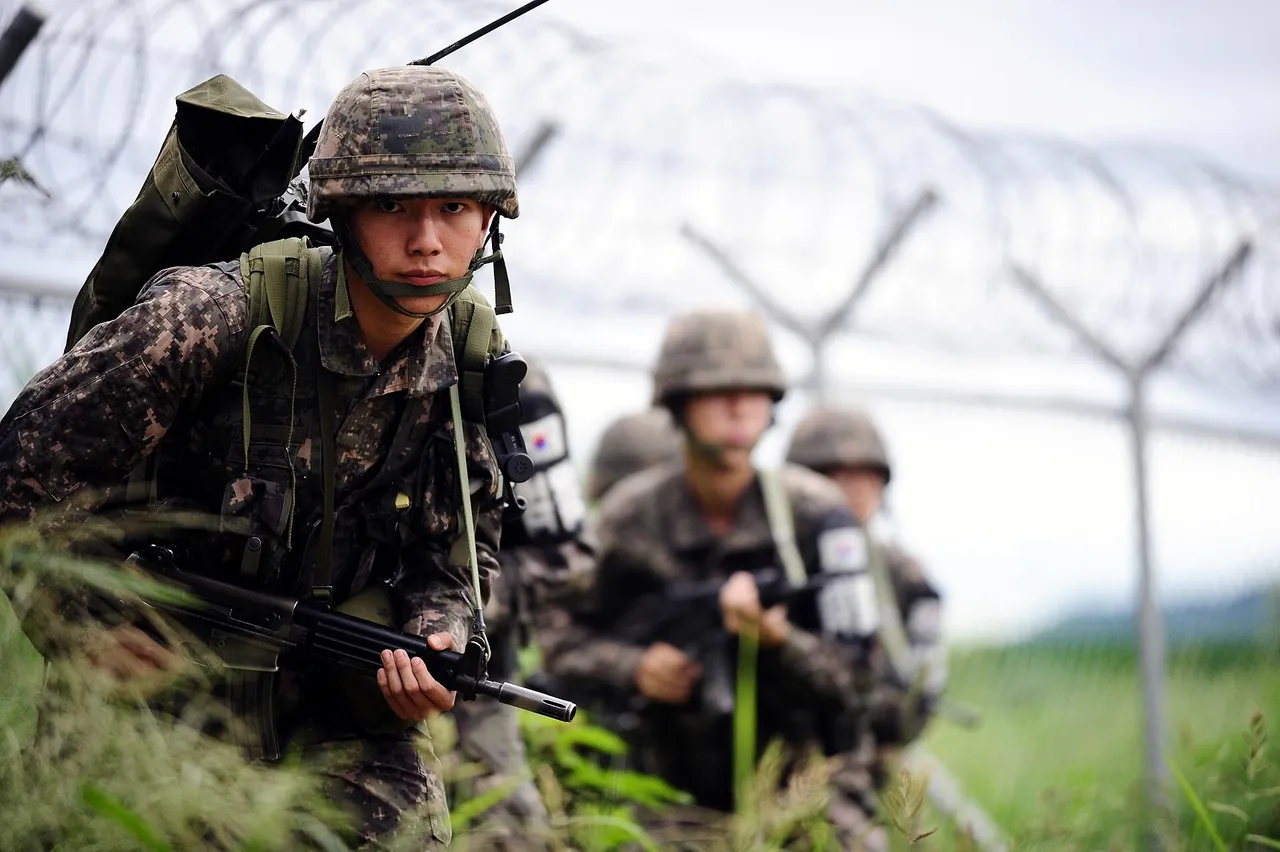
South Korea's Board of Audit and Inspection said on 9 November that telemedicine is running at only 95 of the army's 366 remote units, or about 26 percent, leaving many soldiers posted far from military doctors without timely treatment. The finding was part of a periodic audit of Republic of Korea Army Headquarters that the agency released on Monday.
The auditors traced the gap to the rules on who may handle medicine. Under the current system, the person allowed to receive and keep prescribed drugs on behalf of a unit must be a soldier from the medical branch, so units without medics cannot easily join the remote consultation system. According to Segye Ilbo, telemedicine was available at 86 of 216 remote units under the Ground Operations Command, and at none of the 125 remote units under the Second Operations Command.
The agency said the shortfall has a direct cost for military duties. Soldiers at remote posts are not seen in time, and officers have had to drive sick troops to civilian hospitals in their own cars, taking them away from their units. Newsis reported that in some units the duty officer had to lead soldiers on long walks just to buy medicine for a headache or a fever.
The audit also found that basic medicines were withdrawn from units without military doctors. In August 2024, army headquarters removed digestive medicine, fever reducers and painkillers from the list of medical supplies sent to those units, to prevent unauthorised use. When field units asked last year for the items to be restored, headquarters reviewed the request but supplied only a limited set, mainly ointments and patches along with bandages and plasters, because it judged that handling other drugs without medical personnel could breach the Pharmaceutical Affairs Act.
Segye Ilbo reported that auditors surveyed units without military doctors and found that none had a pharmacy within two kilometres. There were 71 convenience stores open around the clock near those units, which the auditors judged too few for the more than 10,000 troops stationed nearby. The report added that the army's 97 reserve training grounds also kept no stock of common remedies, even though reservists often ask for them.
The agency told the defence and health ministries to work out amendments that would widen the places designated as special locations where medicine may be kept and broaden who may handle it. According to Segye Ilbo, the options include letting civilian medical staff or unit members chosen by commanders act as agents. The army chief of staff was told to draw up plans to expand telemedicine and the supply of household medicines.
The audit criticised the army's handling of land and facilities as well. Newsis reported that 4,396 parcels of military land covering about 24.8 million square metres, valued at around 826.5 billion won, had no plan for future use. The army had not carried out preparatory work on 2,063 parcels it had decided to stop using, had not handed 1,703 cleared parcels to the Defense Installations Agency, and had left 630 parcels with no planned use without even a decision to release them. It also failed to report 329 parcels that were occupied without permission over the past five years, so about 4.39 billion won in compensation charges was never imposed.
Auditors also flagged weak oversight of privately financed barracks and military housing projects, finding that 81 of 100 long-term repair reserve accounts, holding about 124.9 billion won, had been pledged as collateral without approval. The report was not wholly critical. It praised the logistics staff at army headquarters for merging separate performance-based support contracts for local air defence radars and counter-battery radars, a step it said saved more than 4.1 billion won.
For South Korea's army, which keeps many small units at isolated posts, the findings point to a practical readiness problem rather than a welfare issue alone. Officers pulled away to ferry patients and soldiers unable to get routine treatment both reduce what remote units can do, and the fix the auditors want depends on rule changes by two ministries rather than on new money.
Sources
More in Indo-Pacific
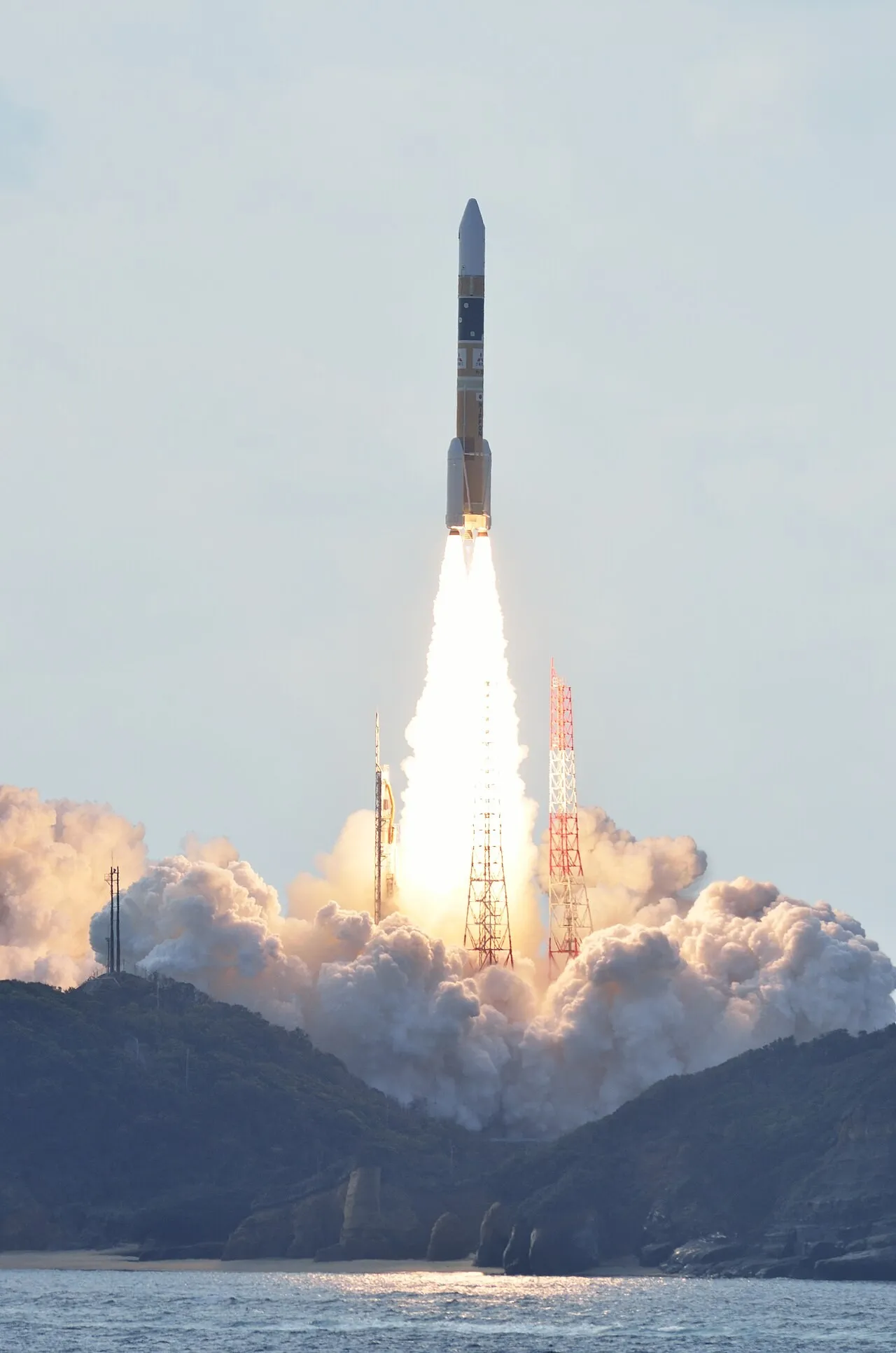
Japan moves to build a signals intelligence satellite to find targets for its counterstrike missiles
The Defence Ministry plans to begin sensor research next year and launch a demonstration satellite by fiscal 2031, the Yomiuri Shimbun reports.
TaiwanDefence · 1h ago · 3 min read
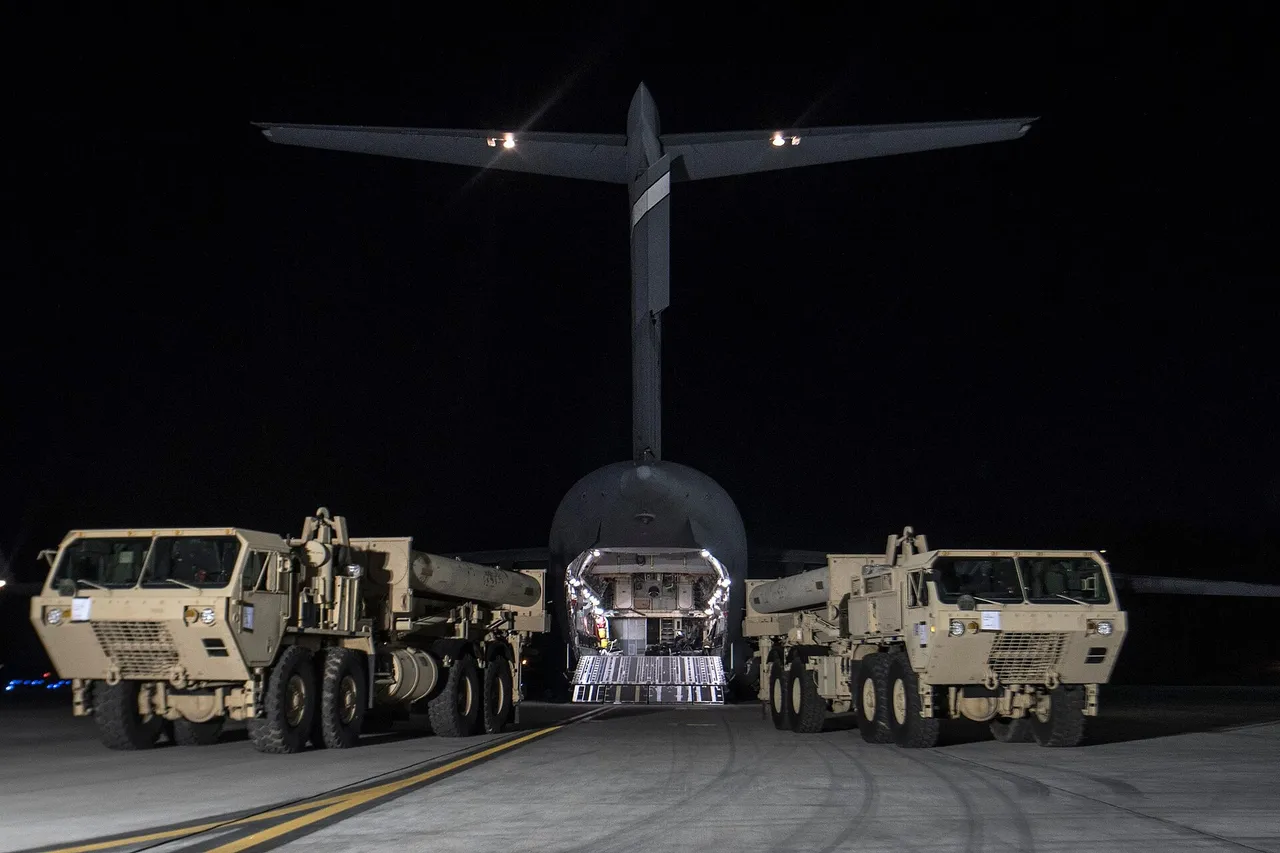
Prosecutors seek prison for Moon-era defence chiefs accused of tipping off THAAD protesters
Seoul prosecutors want jail terms for Chung Eui-yong, Jeong Kyeong-doo and Suh Choo-suk over leaked details of missile defence operations at Seongju.
TaiwanDefence · 4h ago · 3 min read
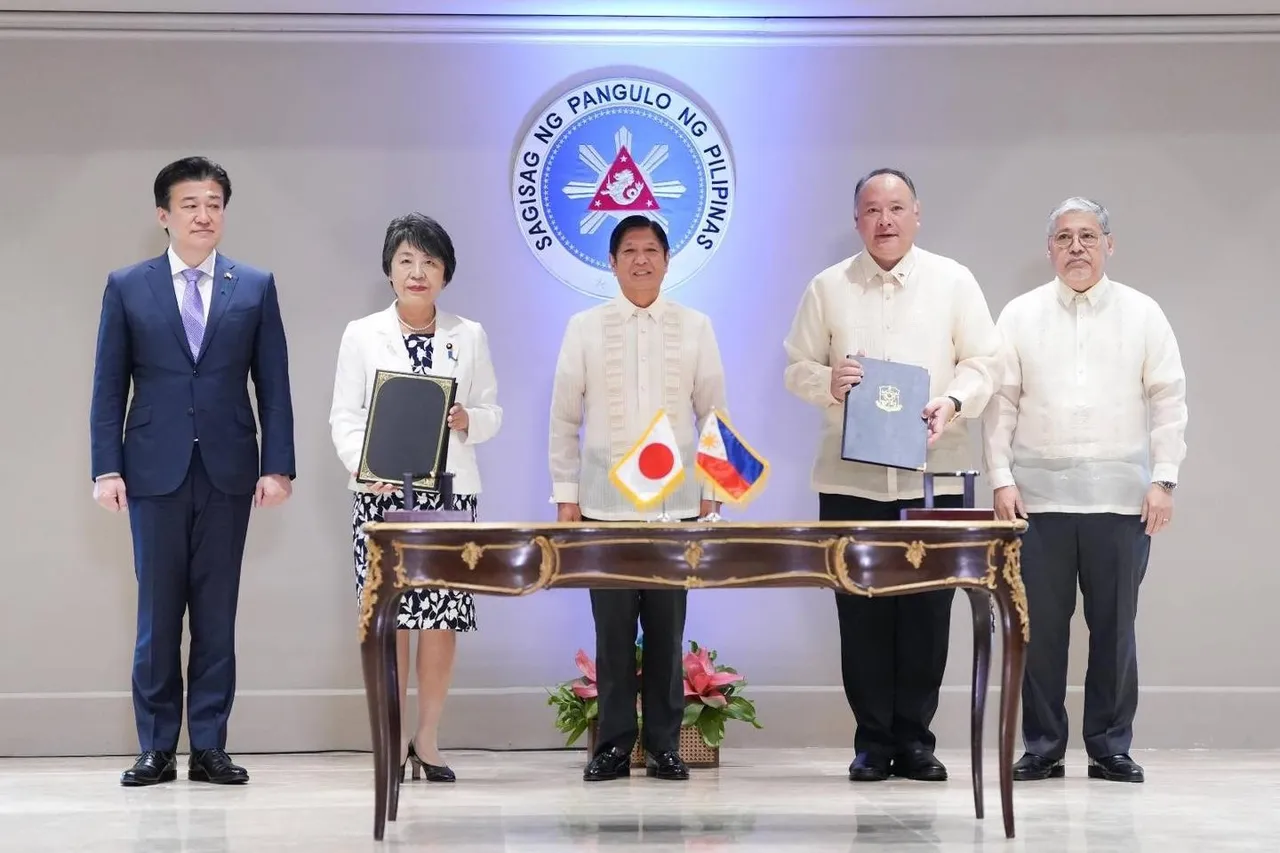
Japan signs deal to give the Philippine military a coastal radar and surveillance drones
Tokyo's 4.3 billion yen aid package sends a coastal radar to the Philippine Navy and surveillance drones to the Philippine Air Force.
TaiwanDefence · 9h ago · 3 min read
Discussion (0)
Comments are not currently available.