Taiwan more than doubles drone R&D subsidies, with AIDC's jam-resistant cargo drone taking the top award
The economy ministry approved 27 drone projects worth about NT$780 million, led by an AIDC heavy-lift drone designed to keep flying without GPS and under signal interference.
TAIPEI —
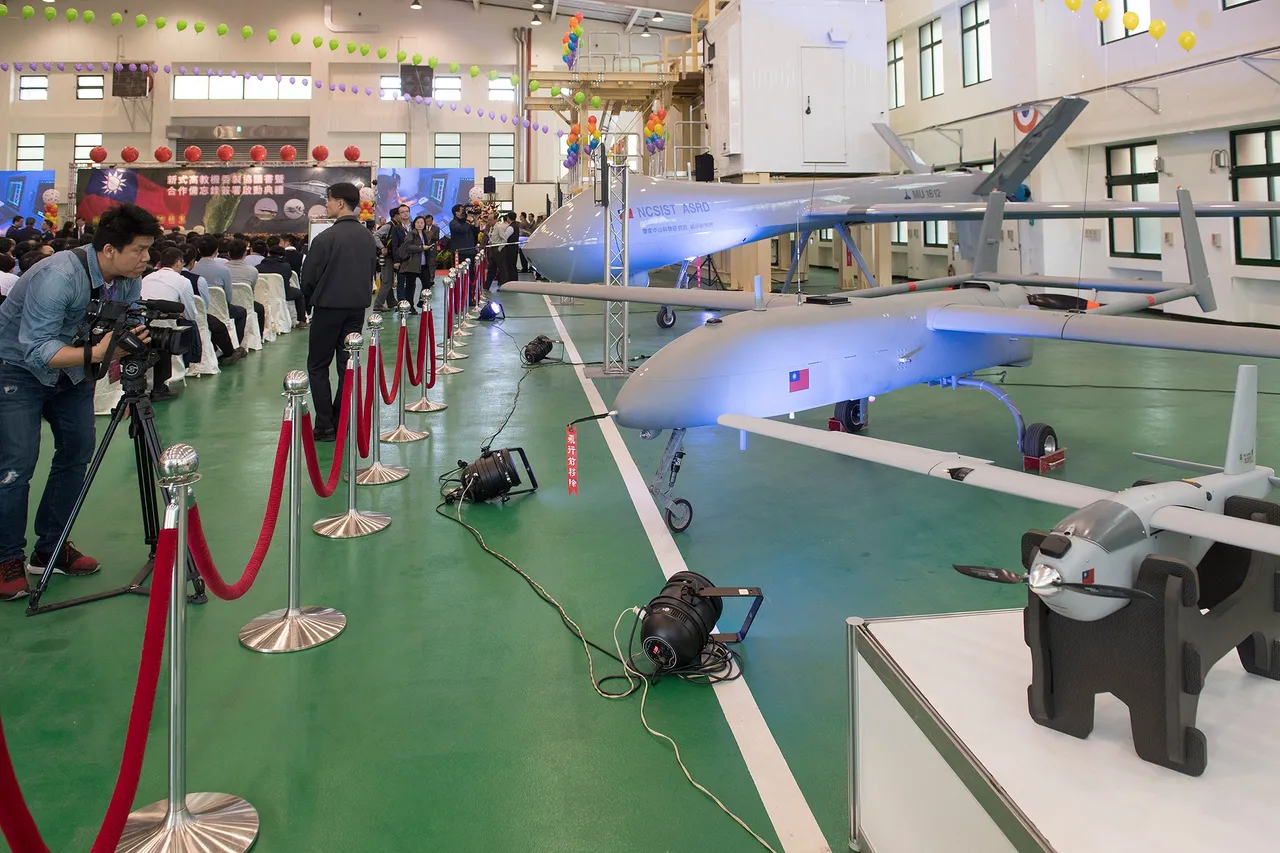
Taiwan's Ministry of Economic Affairs has approved 27 drone research projects worth about NT$780 million this year, more than double last year's total, with Aerospace Industrial Development Corp. (AIDC) receiving the largest single grant to build a heavy-lift drone that can navigate without GPS and keep communicating under interference, the ministry's Department of Industrial Technology said on Friday, 9 October 2026.
AIDC's NT$100 million award, the biggest of the year, covers a high-payload logistics drone that combines airframe development, integration of key technologies and validation testing. The ministry said the design will use optical image matching, three-dimensional positioning, dynamic switching between data links, AI deep-learning recognition and multimodal sensor fusion so the aircraft can keep navigating, stay in contact and avoid getting lost in extreme environments or when it is jammed.
The department said drones can abort a mission when they lose satellite positioning, mountainous terrain can block line-of-sight links, and mobile LTE networks often have no coverage in remote mountains or at sea. AIDC plans to apply the drone to emergency resupply of outlying islands, maritime rescue and deliveries to remote communities, it said.
Bigger programme, more applicants
The scheme, formally called the Drone Forward-Looking Technology R&D and International Business Acceleration Subsidy Program, received 49 applications and approved 27, an approval rate of about 55 percent. Its predecessor last year, which focused on domestically developed drone chips and modules, drew 19 applications, approved seven, about 37 percent, and handed out NT$326 million.
This year's awards split into two categories. Six complete-aircraft projects received about NT$282 million, aimed at long-endurance vertical take-off and landing, heavy-lift logistics, smart agriculture and hydrological monitoring. Another 21 key-technology projects received about NT$497 million: seven each in payloads and communications, four in propulsion, one in flight control and two in other areas. Research priorities include multispectral gimbals, AI sensing, long-range low-latency jamming-resistant communications, light rare-earth power modules and lighter airframes.
The ministry said the expansion is meant to move beyond chips and modules to whole aircraft and core subsystems, push airframe makers and component suppliers to work together, mature products through field testing, and make Taiwan's drone supply chain more self-reliant and controllable while building links to foreign markets.
Why it matters for defence
The programme is framed around commercial drones. When it opened for applications in February, the ministry listed public safety uses such as reconnaissance and search and rescue alongside energy inspection, mapping, farm monitoring and island logistics, capped grants at 50 percent of project cost, and said the aim was to give Taiwanese firms full technical autonomy across the supply chain.
The technologies it is now paying for, navigation without satellite signals, links that survive jamming and resupply of outlying islands, are the same problems Taiwan's armed forces and coast guard would face in a blockade or a conflict with China. The awards were reported by the defence ministry's own Youth Daily News, and AIDC is Taiwan's main military aircraft maker, so the subsidies also widen the industrial base that defence drone programmes can draw on.
Sources
More in Industry
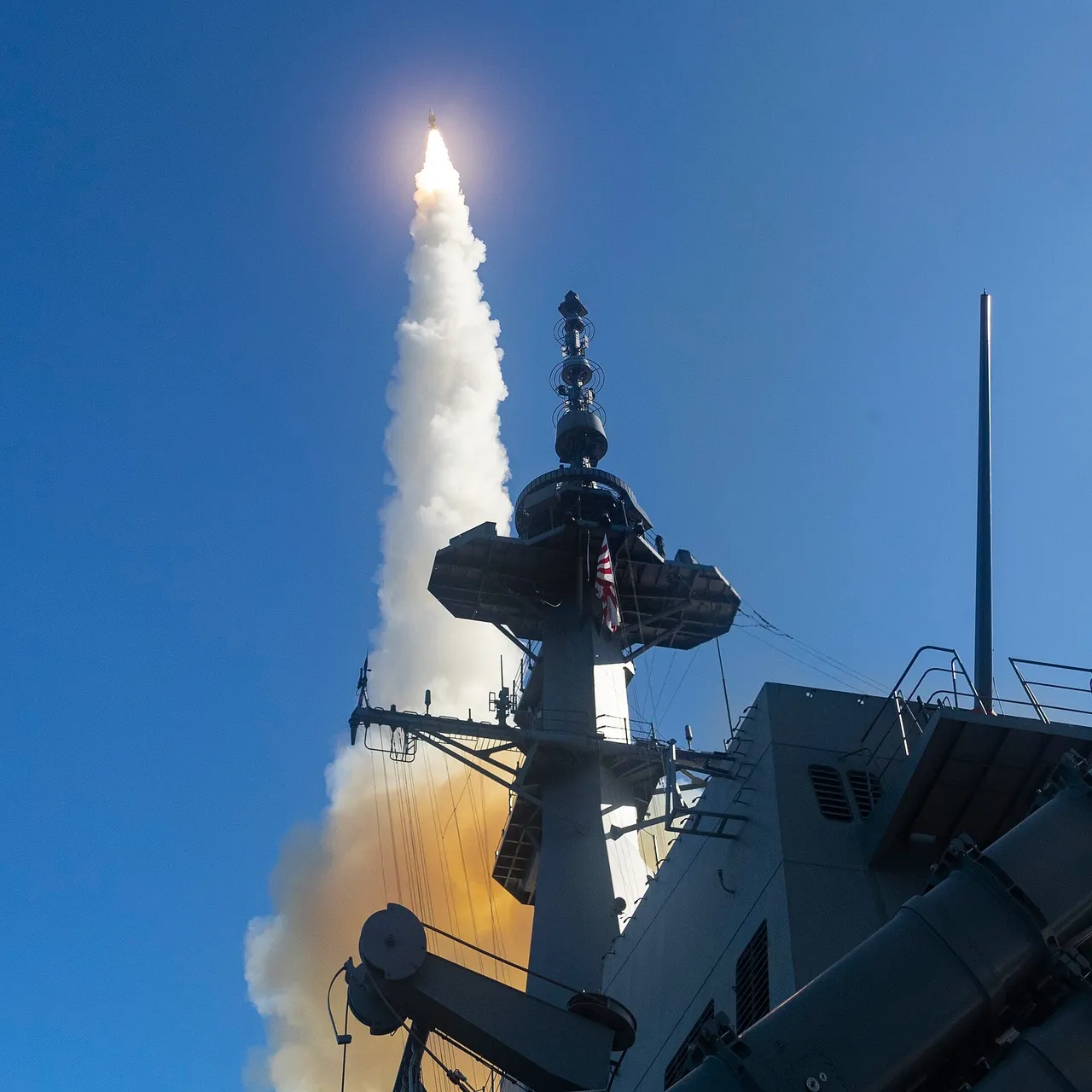
Pentagon signs up to $6.3bn multi-year deal with Raytheon to restock SM-3 Block IB interceptors
The five-year award, with two option years, aims to replenish ballistic missile interceptors drawn down in combat and ease bottlenecks among suppliers.
TaiwanDefence · 10h ago · 2 min read
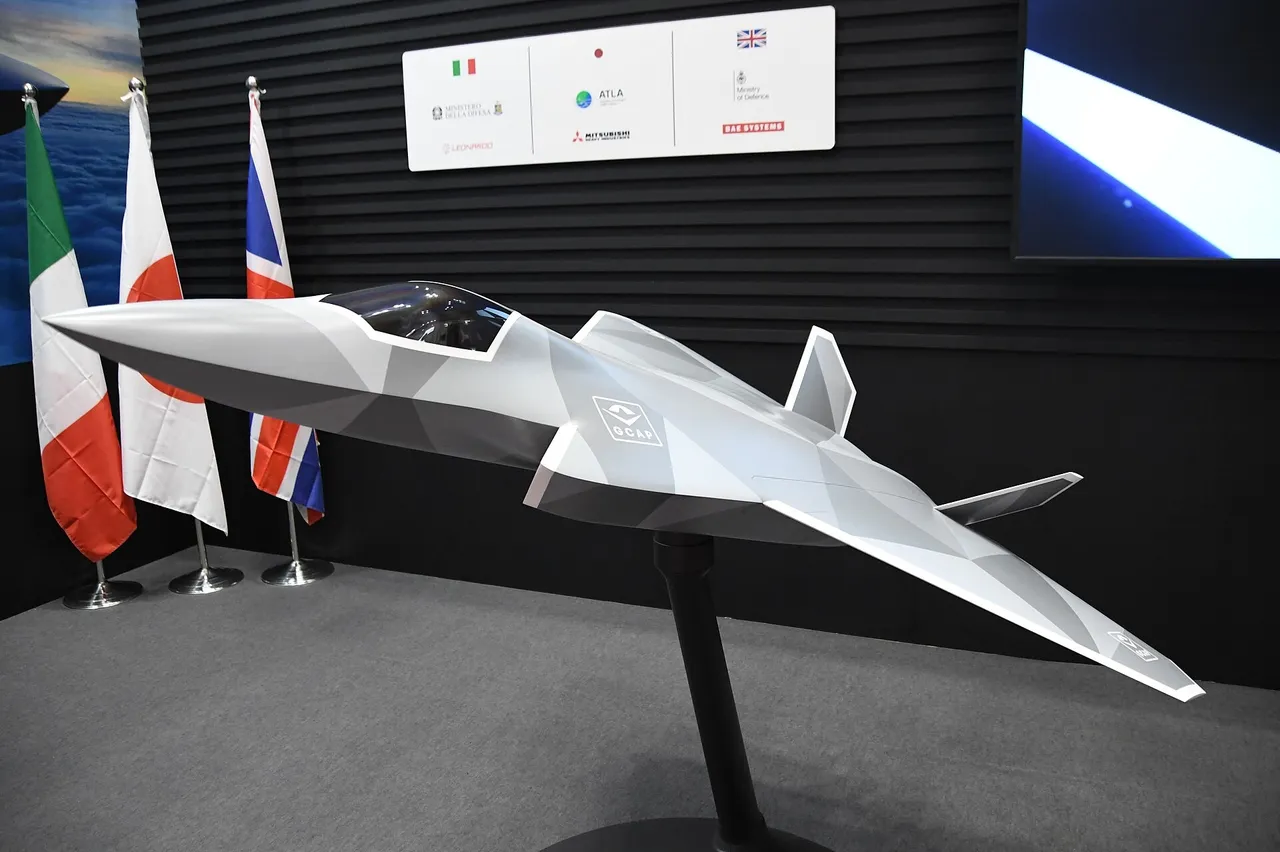
Germany warms to joining GCAP fighter programme as Japan guards its 2035 timeline
Berlin welcomed Britain's offer to bring it into the Japan-UK-Italy fighter project, but Tokyo wants any new partner to leave the 2035 service date intact.
TaiwanDefence · 12h ago · 3 min read
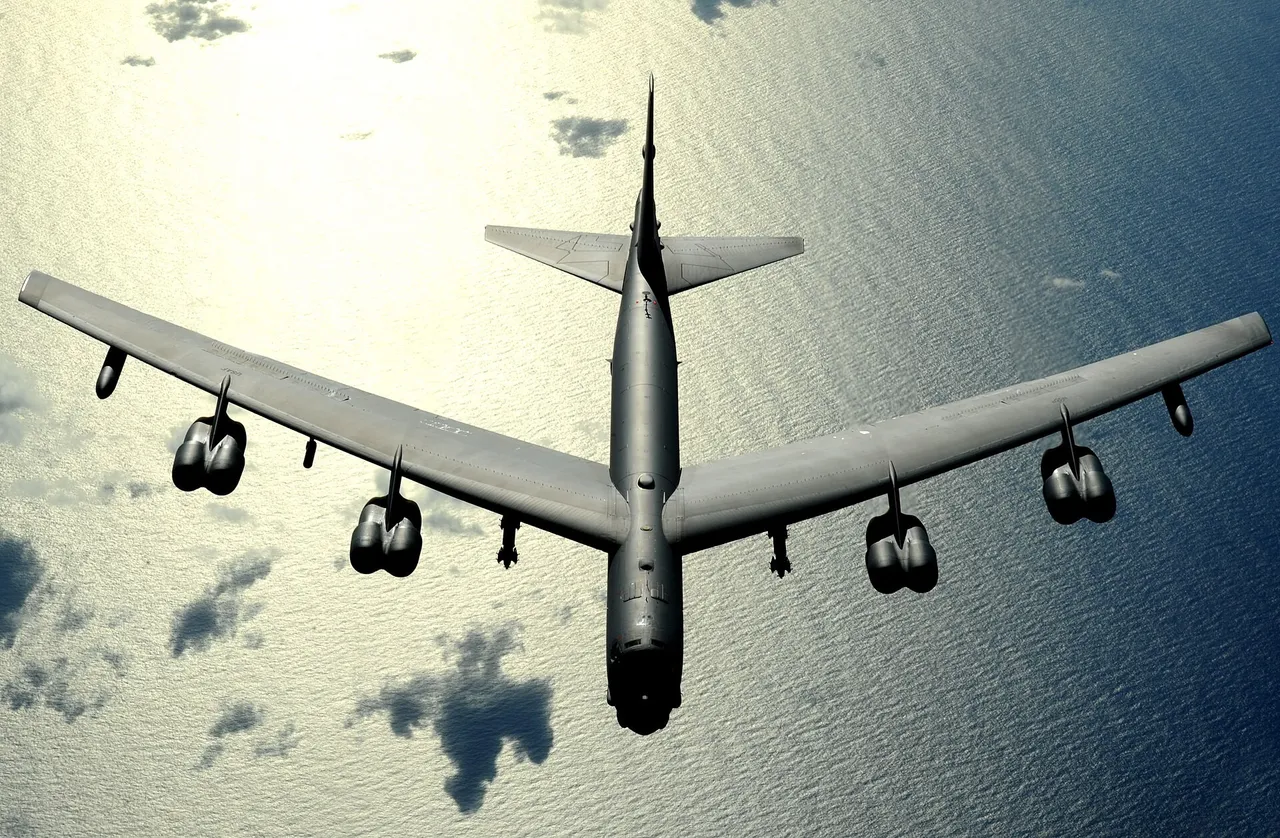
US Navy moves to arm B-52 bombers with stealthy LRASM anti-ship missiles
A sole-source notice to Lockheed Martin revives a stalled plan that analysts say would make US bombers a key threat to Chinese warships in a Taiwan war.
TaiwanDefence · 15h ago · 2 min read
Discussion (0)
Comments are not currently available.