
Taiwan's army drone command signs its first university pact to build and repair drones in the field
The Army Unmanned Systems Training Command and National Formosa University will study mobile drone workshops, production trucks and field repair vans.

TAIPEI —
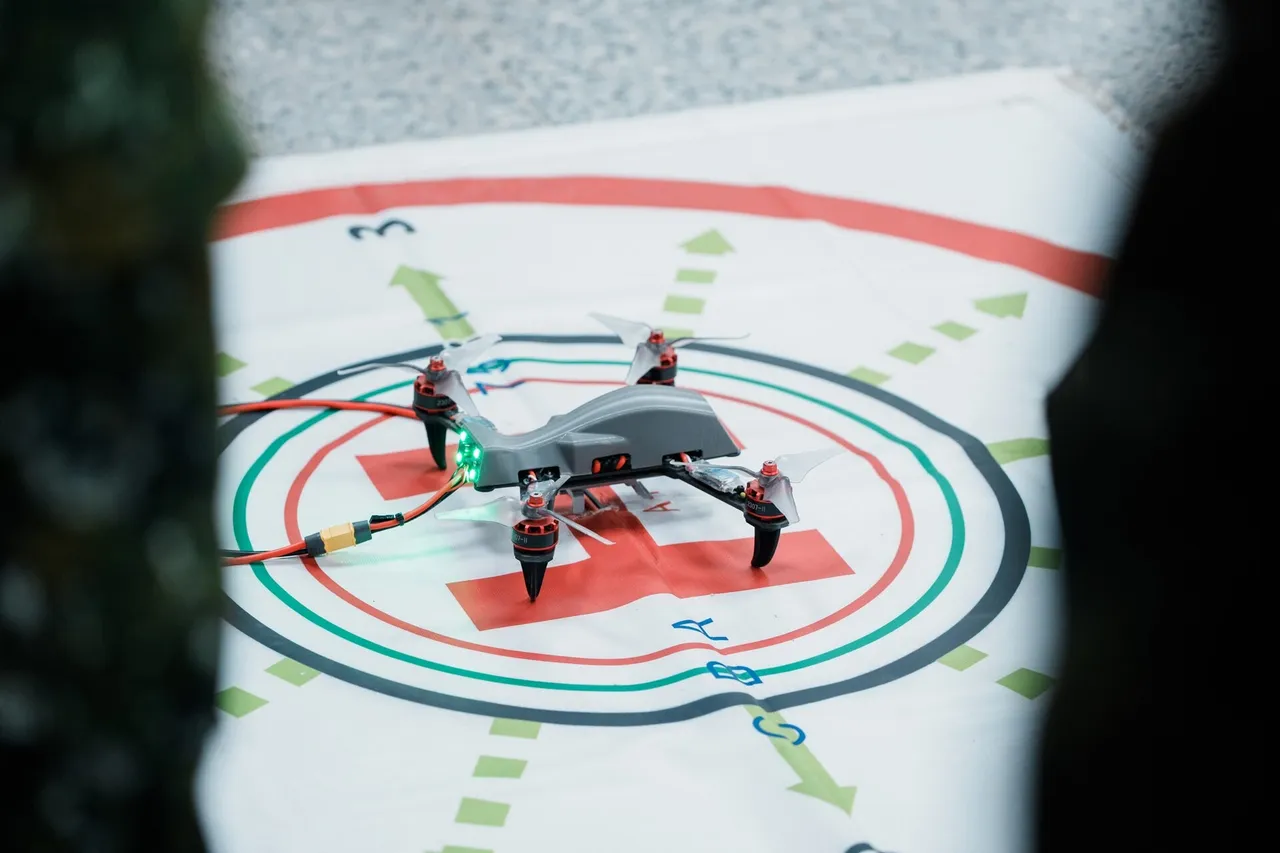
Taiwan's Army Unmanned Systems Training Command signed a memorandum of understanding with National Formosa University in Huwei, Yunlin County, on 18 November, making the school the first university to sign a cooperation agreement with the command since it was set up. The two sides said the deal would focus first on building, modifying and repairing drones quickly, including close to the field.
The memorandum was signed by the command's commander, Col. Chin Han-lung, and the university's president, Chang Hsin-liang. Huang Chung-cheng, deputy head of the preparatory office for the drone industrial park of the National Chung-Shan Institute of Science and Technology, attended as a witness.
Workshops on wheels
Under the agreement, the partners will give priority to rapid manufacturing, modification and integration, and mobile maintenance of unmanned systems. They plan to study mobile maintenance nodes, distributed manufacturing vehicles and field quick-repair workshop vehicles, and to run technical exchanges and demonstrations on airframe structures, quick-release modules, 3D printing, machine-tool work, electrical testing and digital maintenance management.
Cooperation is set to cover three broad areas: research and development of key drone and unmanned-system technologies, stronger manufacturing and maintenance support, and cross-disciplinary education and training. The university said the technologies involved are closely linked to Taiwan's precision machinery, electronics manufacturing and information and communications industries, which it argued could widen industry-academic work and skills training.
Turning technology into usable capability
Chin said unmanned systems were developing very fast and had become indispensable equipment for homeland defence. He argued that the number of drones mattered less than turning new technology into capability that troops can keep using, which the Central News Agency reported he described as asymmetric combat power. His command is responsible for army drone education, training, testing, tactics and research and development.
According to the Central News Agency, Chin said the military would also set up an innovation laboratory that pulls together industry and academic resources to speed up solutions to problems in operations and training. He said he hoped the arrangement would give instructors and troops access to the latest technology and knowledge, and described the signing as a starting point that would be followed by specific cooperation plans.
Chang said drone technology and the demands placed on it were changing quickly, particularly since the war in Ukraine, and that the creation of the command showed its work stretching beyond operator training into research, development and test validation. Systems would fit units better, he said, if developers first understood what the troops actually need.
A school built on engineering
The university set up a College of Aeronautics in August, and students and staff in its aeronautics, engineering, and electrical engineering and computer science colleges now make up more than 80 percent of the school. Its aircraft engineering department began by training civil aviation maintenance staff and later expanded into drone testing, the university said.
Chang said a new aviation maintenance building on the university's high-speed rail campus could be considered as a site for a joint research base, while faculty teaching and technical guidance could start in the shorter term. Neither side gave a budget, a timetable or a number of vehicles for the planned projects.
Sources
More in Army
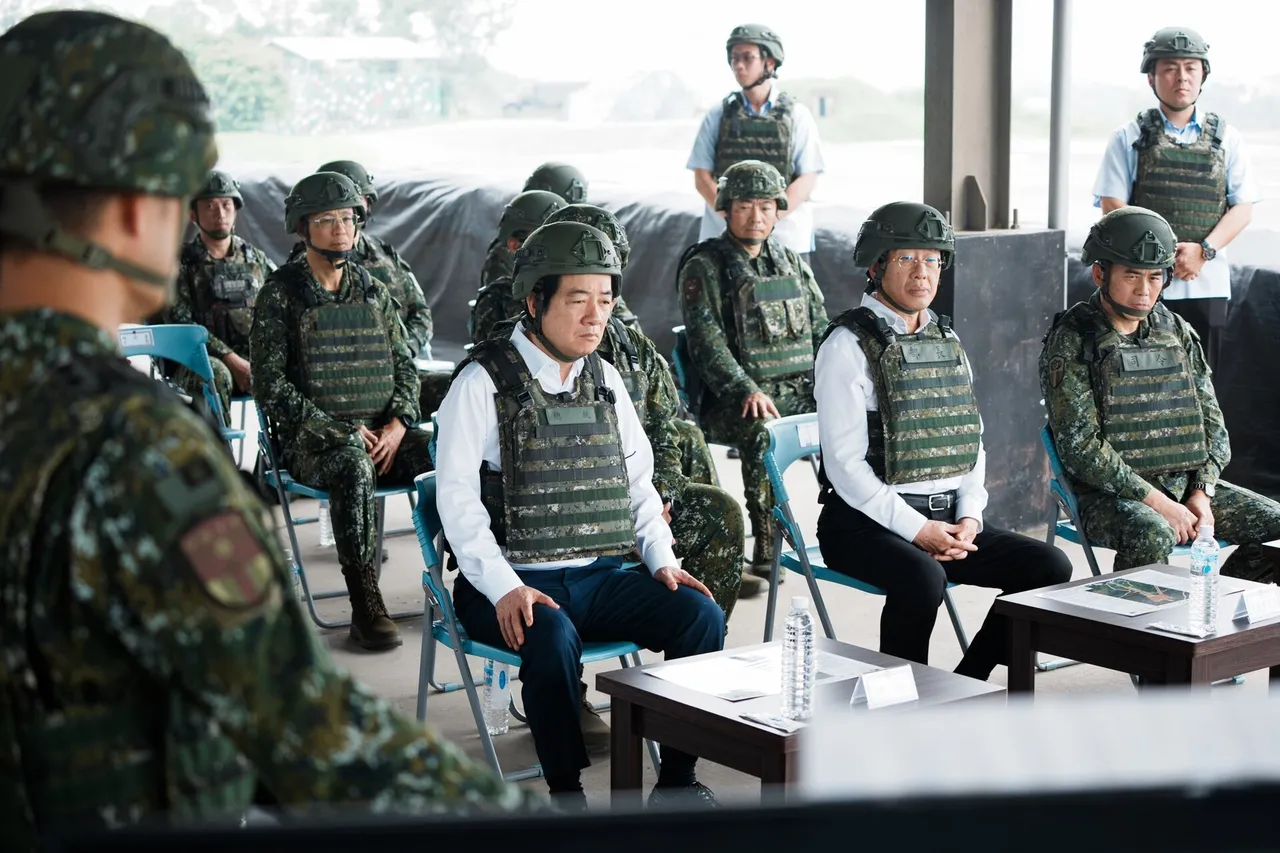
Taiwan's army adds night attacks and paired-drone strikes to its four-day drone evaluation
The army's second drone test of the year runs from 24 to 27 November in Tainan and moves from basic flying skills to tactics, as new drone battalions and companies compete.
TaiwanDefence · 4d ago · 3 min read
Taiwan's army chief orders a counselling overhaul as self-harm cases among soldiers mount
Army commander Lu Kun-hsiu told officers on 13 November that every self-harm case is a lost comrade, not a statistic, as the army weighs adding resident counsellors.
TaiwanDefence · 5d ago · 3 min read
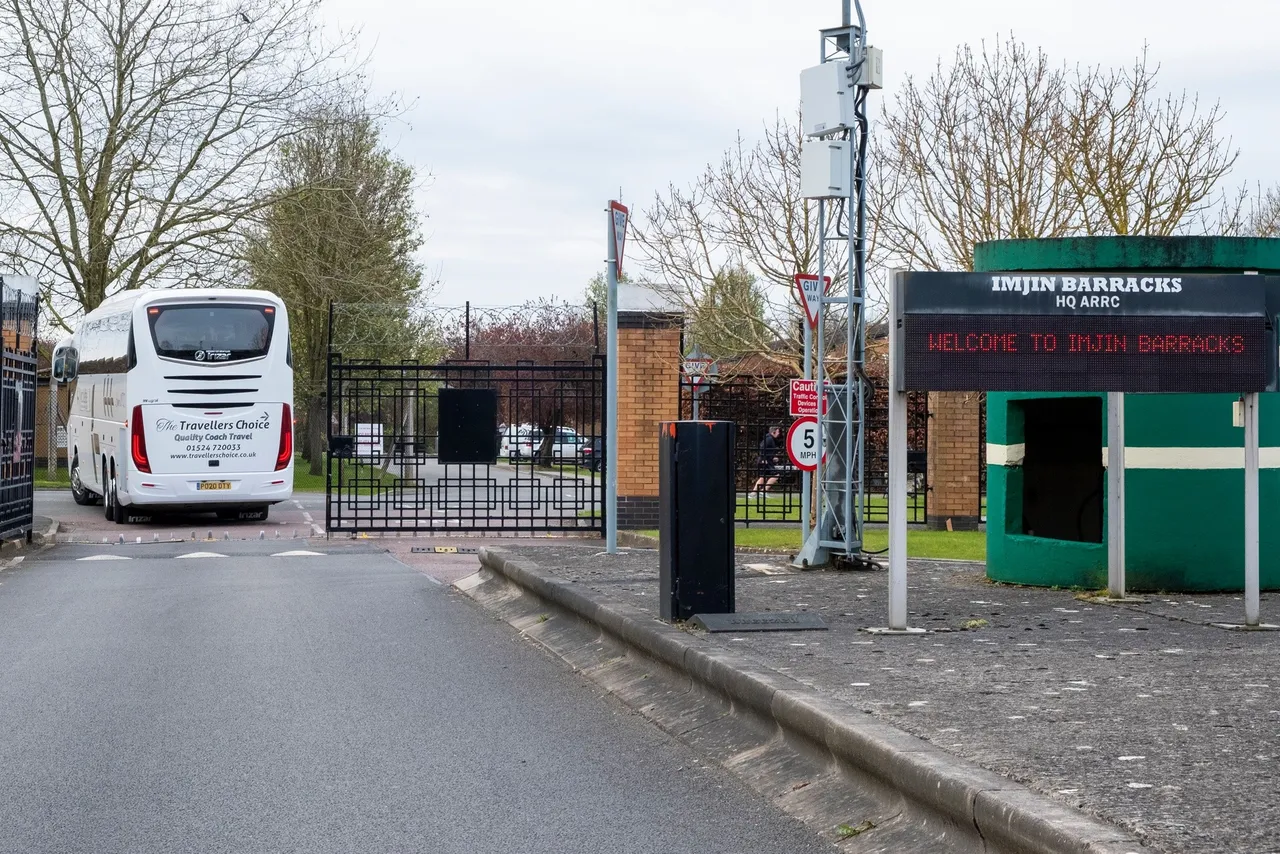
US Army names lieutenant colonel held in Britain over alleged Russian espionage
An Army official identified Lt Col Brandon Tyner, assigned to NATO's Imjin Barracks in England, as the officer arrested this week on suspicion of helping Russian intelligence.
TaiwanDefence · 5d ago · 2 min read
Discussion (0)
Comments are not currently available.