
Taiwan's defence minister says US backing for arms sales will hold after Democrats win Congress
Wellington Koo says support in Congress crosses party lines as Taipei waits on a US$14 billion package, including Patriot missiles, that Trump has held back.
TAIPEI —
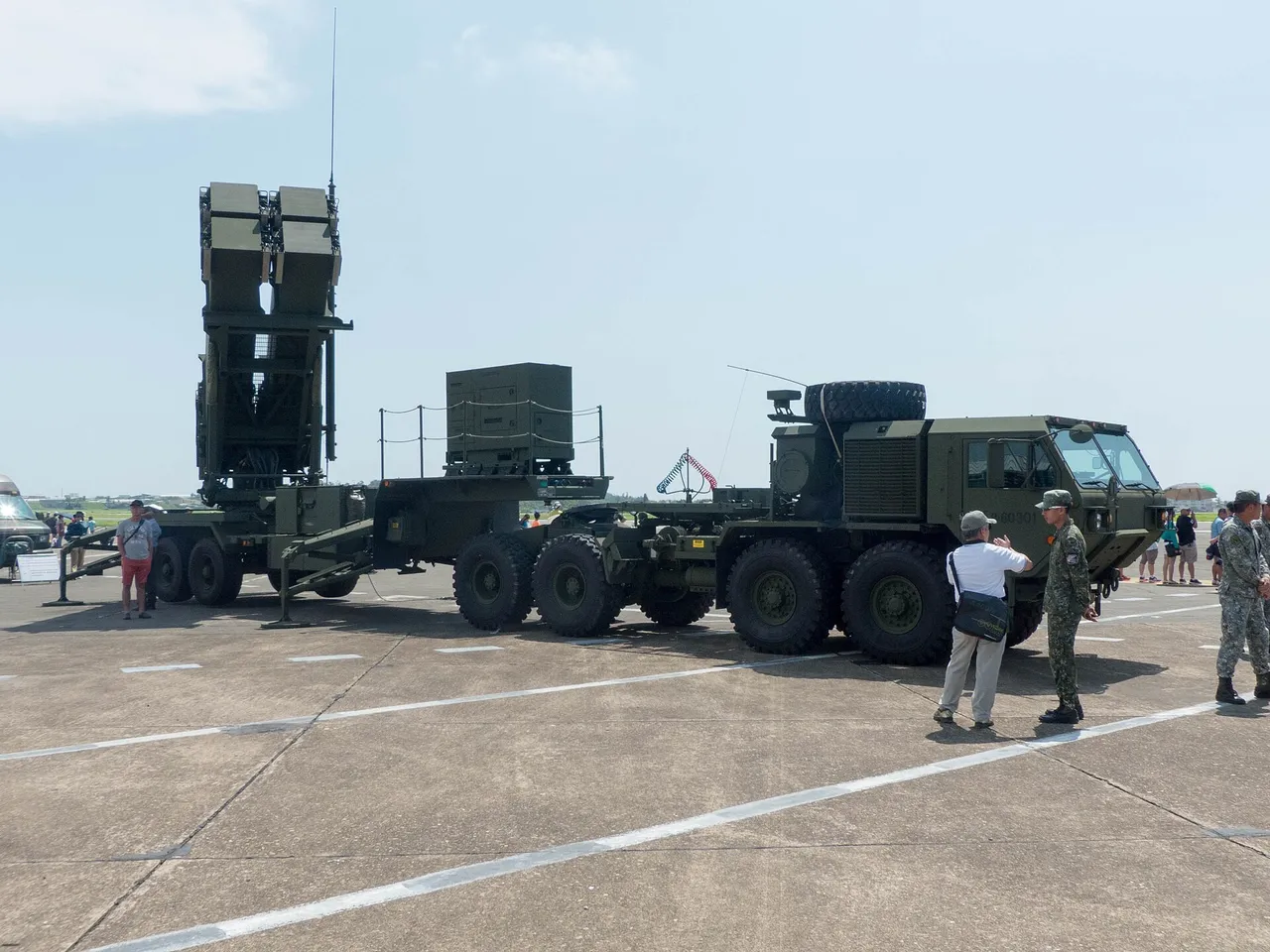
Taiwan's defence minister Wellington Koo said on 5 November that he does not expect the outcome of the US midterm elections to change American arms sales to Taiwan, as questions grow over a US$14 billion weapons package that Washington has held back for months. Koo said support in the US Congress for strengthening Taiwan's defences has always crossed party lines.
Koo spoke to reporters at the Legislative Yuan before a joint committee session that was reviewing the government's supplementary budget for 2026. Asked whether the US$14 billion sale could be affected now that President Donald Trump faces a Congress controlled by the opposition, he said the defence ministry would keep talking with members of Congress and would stay in close contact with the US Department of War to make sure the arms sales go ahead as planned.
A new Congress in Washington
Democrats won majorities in both the Senate and the House of Representatives in the 3 November elections, giving them control of Congress for the rest of Trump's term. The new members are due to be sworn in on 3 January 2027. Taiwan's Ministry of Foreign Affairs said on 4 November that Taipei deals with both US parties on a nonpartisan basis, has long had bipartisan backing in Congress, and will keep deepening cooperation with Washington.
Some Democratic lawmakers have already signalled that they want to use their new power on the issue. United Daily News, citing a report by Politico, said Representative Greg Stanton, who sits on the House Foreign Affairs Committee and the House select committee on China, wants the House Appropriations Committee to use its control of funding to press Trump to stop delaying the US$14 billion sale to Taiwan and to end the conflict with Iran. Stanton argued that deciding where money and resources are spent is the most important power Congress holds.
The same report said Representative Ami Bera suggested that one step Democrats could take quickly would be to restate the long-standing US position that arms sales will not be used as a bargaining chip in talks with China, and to reaffirm support for the status quo across the Taiwan Strait.
What is in the package
The US$14 billion package has been waiting for Trump's approval for months, a delay that has stretched on since his summit with Chinese leader Xi Jinping in Beijing in May. According to an AFP report from October, it includes Patriot air defence missiles, an automated command and control system and a 360-degree air defence radar, all seen as key parts of Taiwan's planned layered air defence network known as T-Dome. Taiwan expects to pay for the weapons from a special defence budget of about US$25 billion that its legislature passed in May.
AFP reported that Trump said in May that arms sales to Taiwan could serve as a bargaining chip with China, and that he has since resisted pressure from lawmakers, including Republicans, to approve the package. US officials have also said they were checking whether American weapons stocks were sufficient for operations against Iran, and one US official was quoted as saying the chance of the package being split into smaller sales had risen. Washington last approved a large sale to Taiwan in December 2025, worth a record US$11.1 billion.
Why it matters
The package is central to Taiwan's effort to strengthen its air defences against China, which claims the island and has not ruled out using force against it. Koo's comments signal that Taipei intends to work through Congress as well as the executive branch to unblock the sale. Diplomats quoted in the same Politico-based report said a Democratic Congress would still find it hard to rein in Trump directly, but saw its control over appropriations as the most promising way to influence White House policy.
Sources
More in Cross-Strait
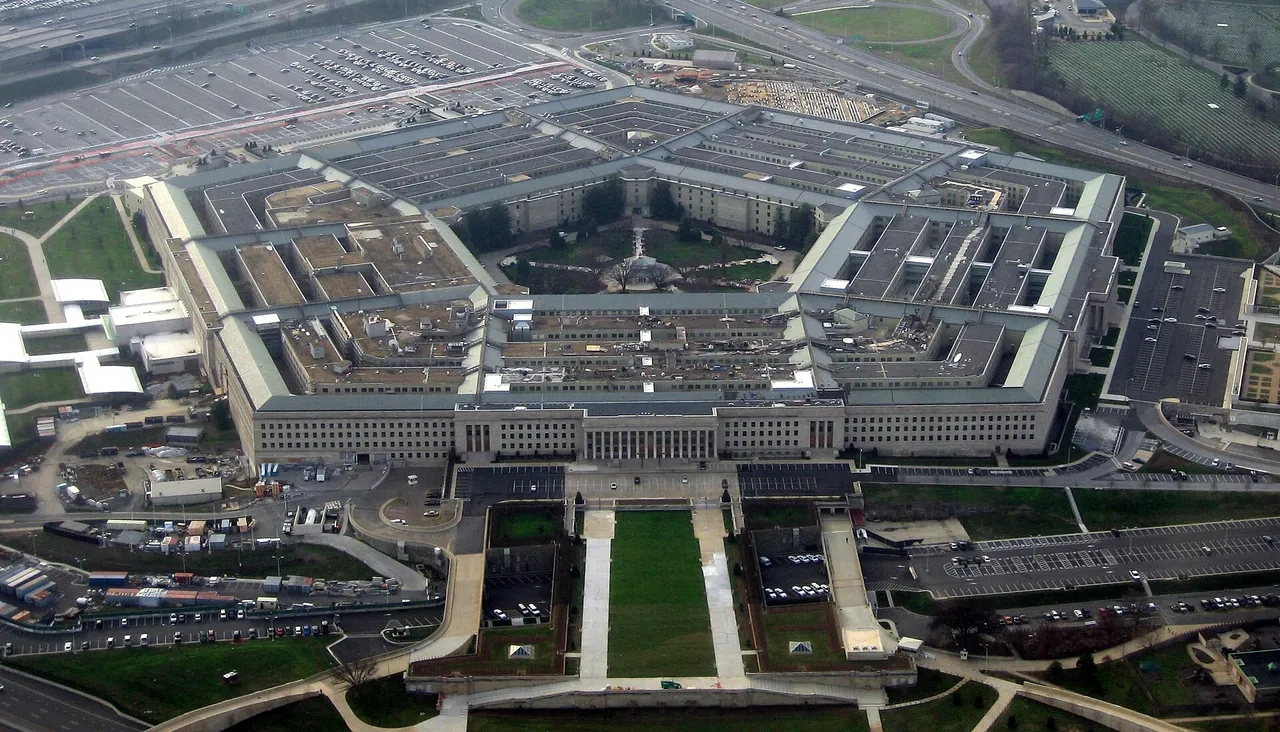
US and Chinese military officials hold crisis communication talks in Washington
The Pentagon's China and Taiwan policy chief met a PLA envoy for annual talks on lowering risks, but the readout named no hotline or signed memorandum.
TaiwanDefence · 7h ago · 3 min read
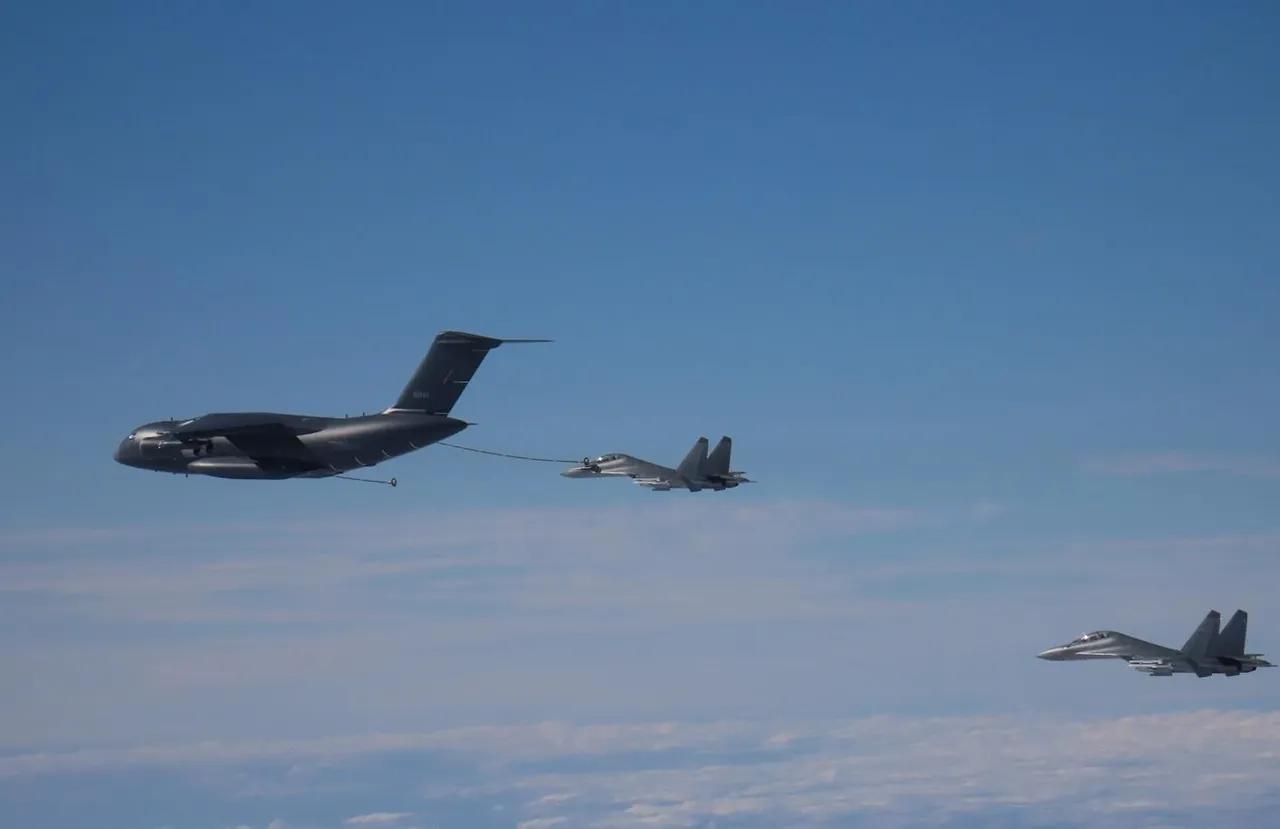
Chinese jets cross the Taiwan Strait median line in Beijing's second combat readiness patrol in a week
Taiwan's defence ministry tracked 14 Chinese aircraft sorties, 12 of them across the median line, as four Chinese coast guard ships entered Kinmen's restricted waters.
TaiwanDefence · 15h ago · 3 min read
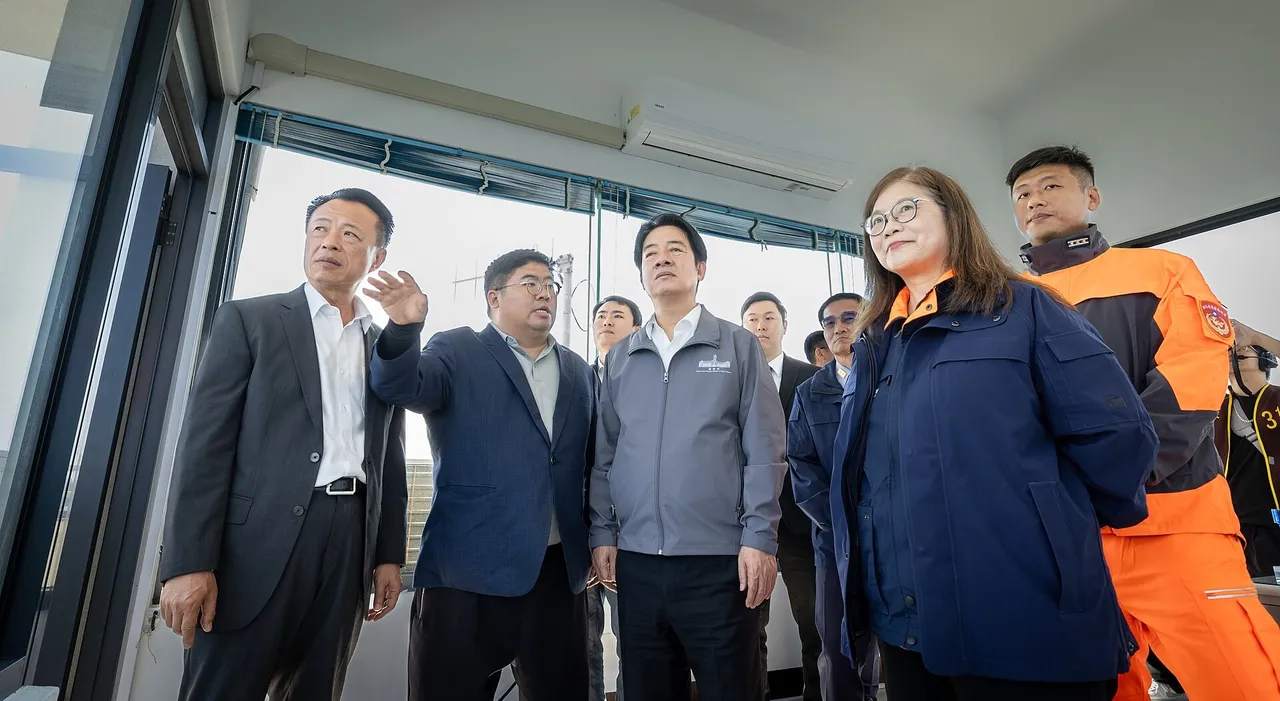
US Naval War College study says Chinese small-boat landings keep hitting Taiwan's invasion beaches
A new China Maritime Studies Institute paper counts at least eight Chinese men arrested after boat landings since 2021 and says PLA reconnaissance cannot be ruled out.
TaiwanDefence · 16h ago · 3 min read
Discussion (0)
Comments are not currently available.