
North Korea says it tested a new air-defence missile in its fourth weapons test in a week
Seoul detected several missiles fired from Sondok and says it withheld the missile type to protect how much its sensors can see, as Pyongyang touts new weapons.
TAIPEI —
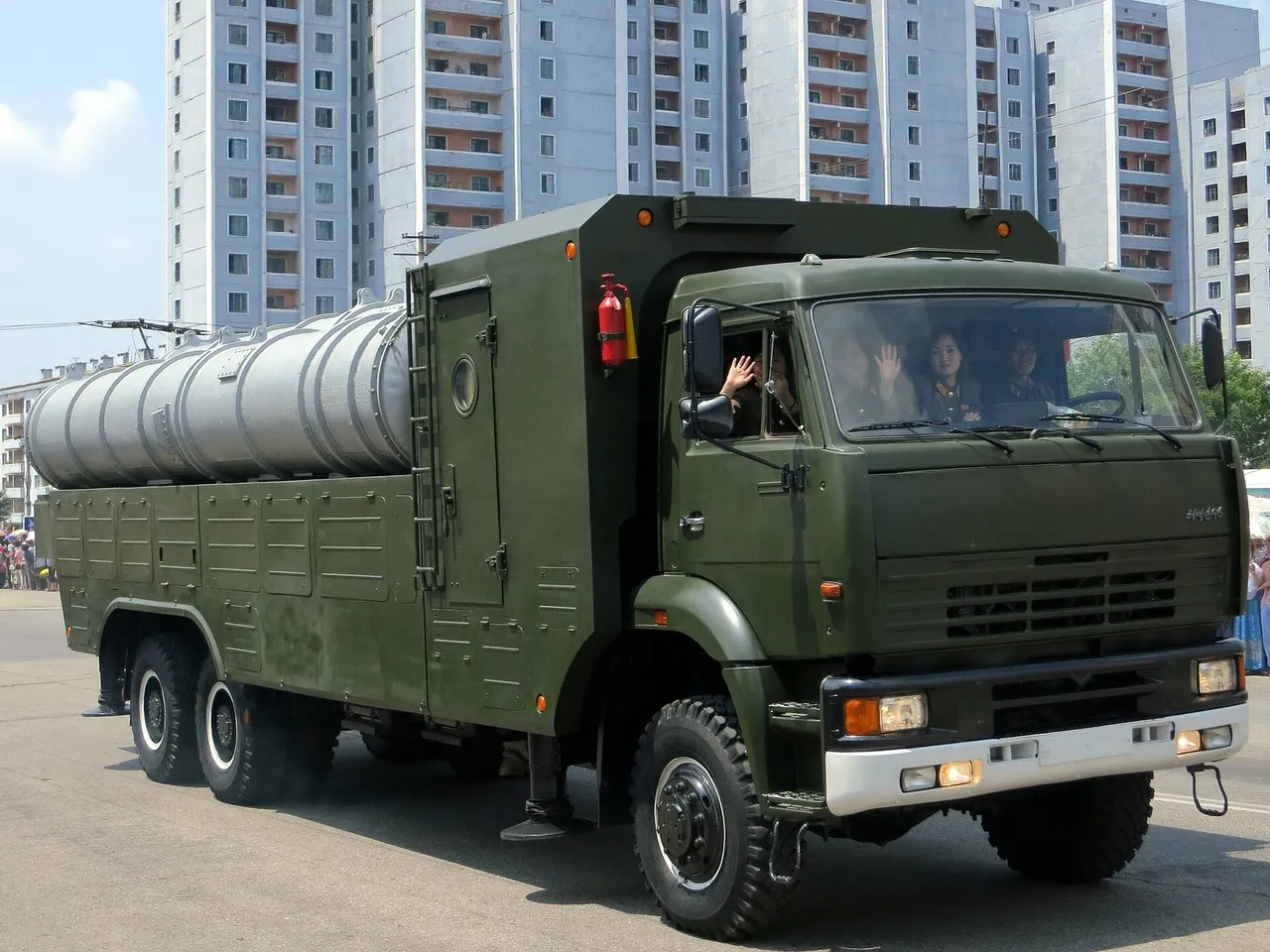
North Korea said on 5 November that it had tested a new air-defence missile system and run a strike drill with a long-range strategic cruise missile unit the previous day, after South Korea's Joint Chiefs of Staff detected several missiles fired from the Sondok area of South Hamgyong Province early on 4 November. Yonhap counted the launches as the North's fourth weapons test in a week.
The Joint Chiefs said the missiles flew less than 300 kilometres and that South Korean and United States forces were analysing the details. The South Korean military did not rule out that at least one was a close-range ballistic missile.
Why Seoul did not name the missile
On 5 November the Joint Chiefs explained that they had not identified the type of missile in their first announcement so as not to reveal how much South Korean surveillance and reconnaissance assets can see. According to News1, the military said early detection data was consistent with more than one family of missile, and that the allies were still carrying out a detailed analysis.
What Pyongyang claims
The following points are claims by North Korean state media and have not been independently confirmed. The official Korean Central News Agency said the new anti-air missile was fired to confirm its technical characteristics, and it asserted that the test proved a new material, a multiple guidance mode and the system's ability to find, track and process target data.
In a separate claim, the agency said a long-range strategic cruise missile unit carried out a strike drill against a simulated airport target. Seoul has not confirmed that the cruise missile drill took place as described.
A crowded week
Yonhap listed the earlier tests in the run. Last Thursday the North tested what it called a 600 mm multiple rocket launcher with leader Kim Jong-un present. On Saturday it said it had tested a cluster bomb, and on Monday it reported a test of a dispersal warhead.
The launches came as South Korean and US air forces held their Freedom Flag combined air exercise, and as Kim Yo-jong, the leader's sister, issued statements about the theft of cryptocurrency from the Binance exchange. The 4 November firing also coincided with the US midterm elections. Shin Jong-woo, an analyst cited by Yonhap, suggested the Sondok launch could have involved a variant of the Hwasong-11 short-range ballistic missile.
Why it matters
A new air-defence missile would point to North Korea investing in protection against the kind of air power that drills such as Freedom Flag are designed to show, alongside its steady growth in strike weapons. For South Korea, the pace of testing is also a test of disclosure: officials are weighing how much to tell the public about each launch against the risk of showing Pyongyang what allied sensors can detect.
Sources
More in Indo-Pacific
Japan's ruling parties set talks on a defence plan that could cost up to 80 trillion yen
The LDP and Ishin will open work on Japan's three security documents on 10 November, with spending, nuclear submarines and non-nuclear rules in dispute.
TaiwanDefence · 3h ago · 3 min read
China's top general hosts Russia's defence minister and pledges closer military ties
Zhang Shengmin, one of only two active members of China's top military body, met Andrei Belousov in Beijing as Moscow hailed an unprecedented partnership.
TaiwanDefence · 6h ago · 2 min read
Fijian committee puts Australia defence treaty on hold as Rabuka vows another route
A Fijian parliamentary committee wants talks reopened on the Veitacini defence treaty with Australia, citing visiting forces and intelligence sharing.
TaiwanDefence · 9h ago · 3 min read
Discussion (0)
Comments are not currently available.