
Taiwan's navy will wire air combat training pods into its four Keelung-class destroyers
A NT$2.44bn joint buy of NCSIST ACTIS pods will link the navy's air-defence flagships to the air force's live training network for joint drills.
TAIPEI —
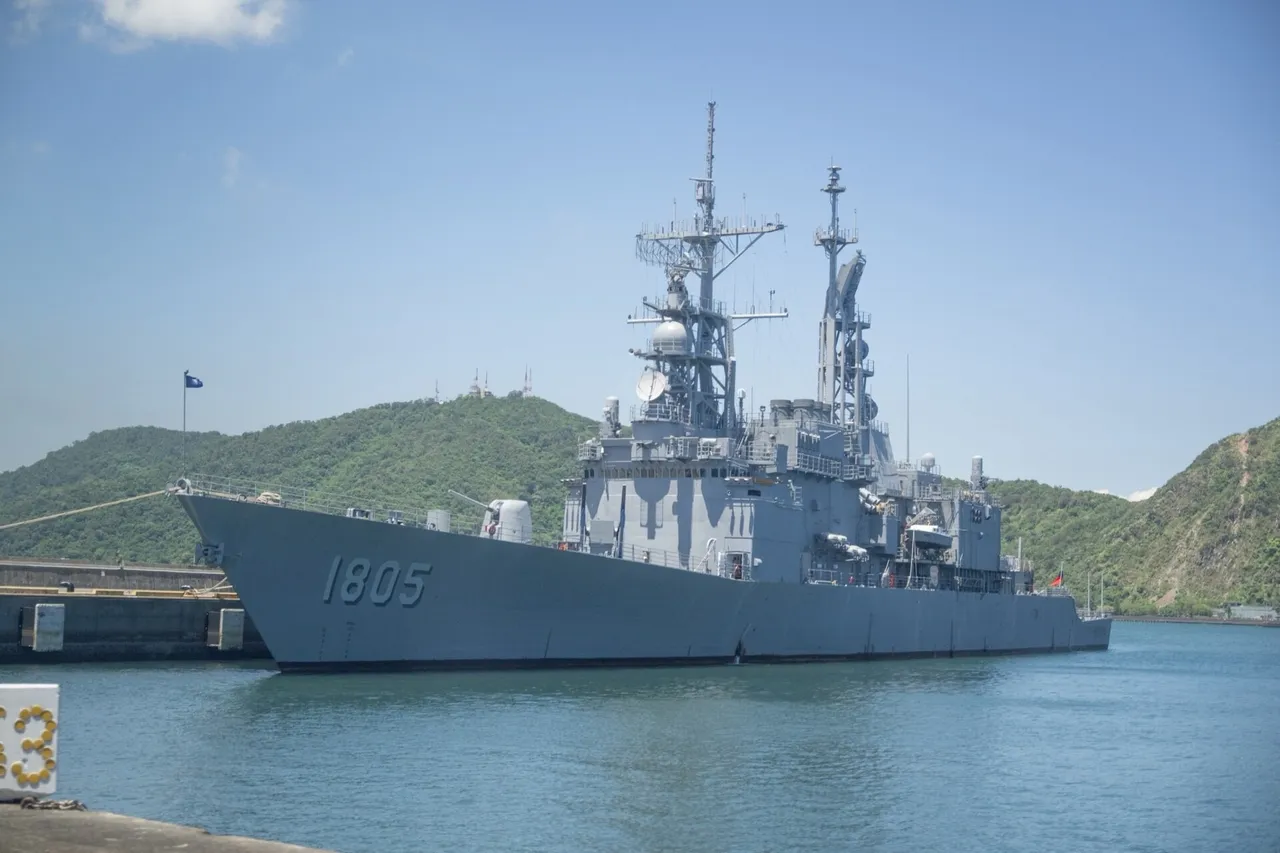
Taiwan's navy will install air combat training pods on its four Keelung-class destroyers, linking its main air-defence warships to the instrumentation network the air force uses for live, ammunition-free combat training, according to the defence ministry's latest budget report to the Legislative Yuan, the Liberty Times reported on Thursday, 15 October 2026.
The pods are part of a joint navy and air force purchase of the latest Air Combat Training Instrumentation System (ACTIS) equipment developed by the state-run National Chung-Shan Institute of Science and Technology (NCSIST), budgeted at about NT$2.44 billion. The navy is buying four pods, and the budget report now states that they will go on the four Keelung-class ships, which serve as the fleet's flagships.
Until now it had not been clear where the navy's share would go. When the programme first appeared in the ministry's budget documents in September 2025, they showed 68 pods and two mission display and control systems for NT$2,443,071,000, run by the air force on behalf of both services. The air force takes 64 pods and the two control systems for about NT$2.37 billion, while the navy pays about NT$70.32 million for four pods, acquiring two in 2027 for testing and two more in 2028 along with crew training. The Liberty Times noted at the time that the navy's main aircraft was the S-70C anti-submarine helicopter, and pods of this kind had rarely been carried by helicopters.
ACTIS pods are most familiar as the slim, missile-like stores carried on the wingtips of Taiwan's F-16V and Indigenous Defense Fighter jets. The system grew out of a Tactics Analysis System that the air force commissioned from the institute in 2001, and its pods have also been fitted to Mirage 2000 fighters and the T-5 Brave Eagle advanced jet trainer. They let crews fight simulated engagements without firing live weapons, with results judged in real time and replayed in later debriefs.
On the destroyers, the equipment will take the form of a hardware communications interface and shipboard host unit wired into the combat management system of the Keelung class, the report said. The ships carry Standard SM-2 air-defence missiles for area protection, and the link would let them join the air force's live training network as nodes at sea. That would give the navy and air force a common picture during joint drills such as the air force's Tien Lung exercise, the navy's Hai Chiang drills and joint air-defence training.
According to the Liberty Times, the setup could pair a handful of real fighters with threat simulators to add about 20 simulated anti-ship missiles or drones to a destroyer's radar screens, testing crews against saturation attacks. It could also model the limits of the ships' fire-control radars when guiding several intercepts at once, as well as electronic jamming and handoffs to land-based Tien Kung III air-defence missiles, all without firing an SM-2.
The ministry said having the air force lead the programme with the navy sharing the cost breaks down service silos, standardises debriefing between the two services and cuts the cost of training, the report said.
The pod purchase sits alongside a separate five-year contract, worth about NT$689.6 million and awarded to NCSIST in October 2025, to maintain the air force's real-time display system from 2026 to 2030. The air force has said rising training sorties left it short of pods for its annual exercises, and that obsolete parts had been dragging down equipment readiness.
For a navy whose destroyers would have to fend off massed missile and drone attacks in any conflict with China, rehearsing air defence alongside the air force without spending scarce interceptors is the practical pay-off of the change.
Sources
More in Navy
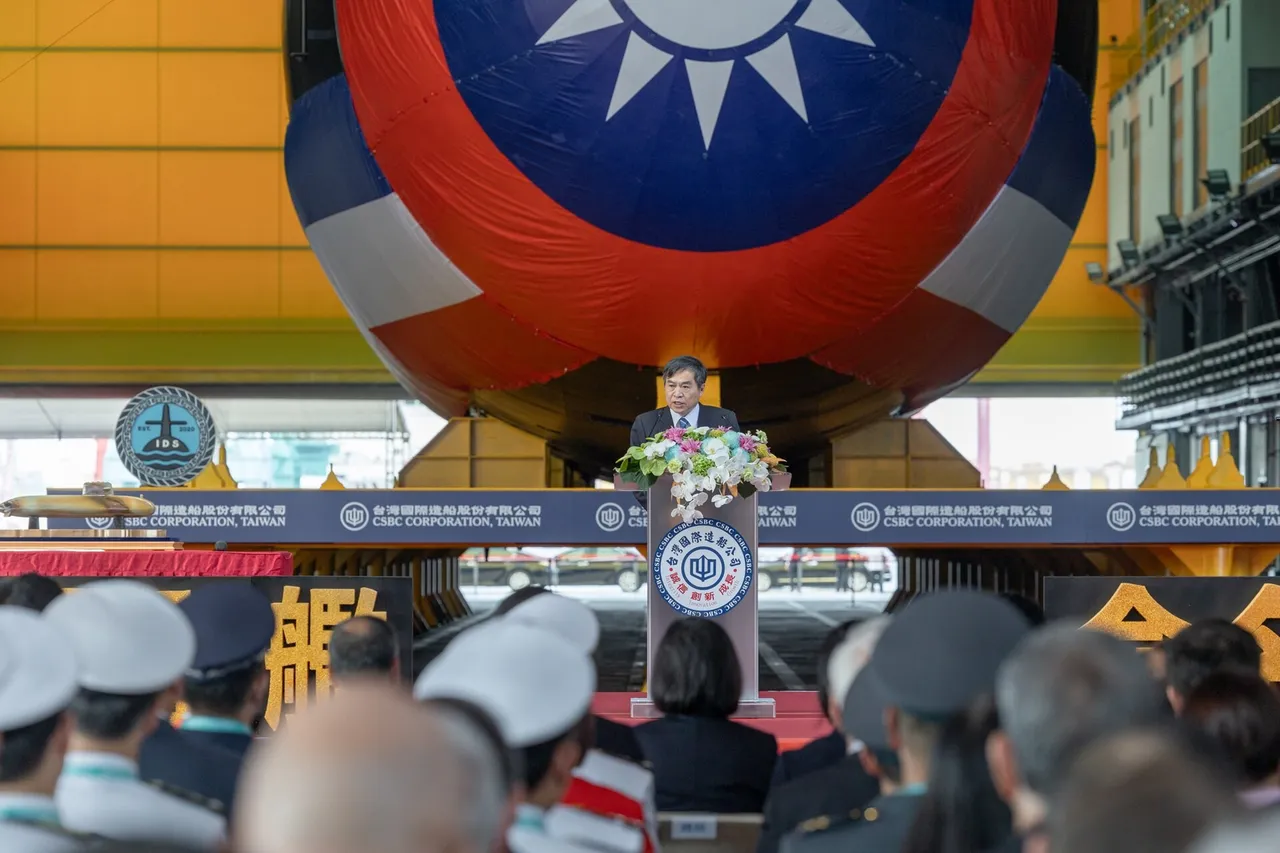
Taiwan's Hai Kun submarine begins deeper sea trials on its 25th outing
The indigenous prototype left Kaohsiung on 15 October for harder endurance and deep-dive checks as CSBC and the navy push toward year-end delivery.
TaiwanDefence · 4h ago · 2 min read
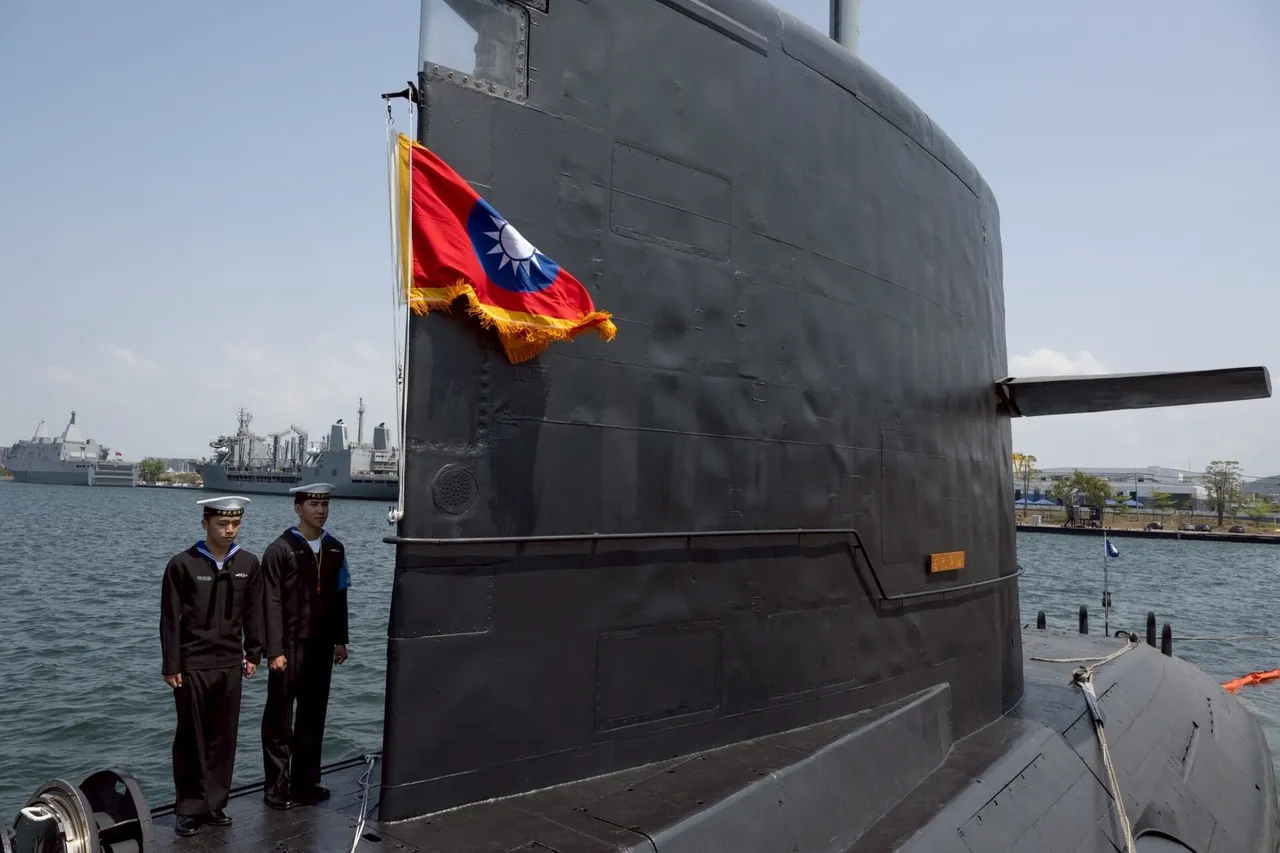
Taiwan's upgraded Hai Lung submarine will anchor a month of anti-submarine drills
The navy will run three waves of sea-air anti-submarine drills off the southwest from 28 October to 27 November, and plans to buy 100 underwater training targets.
TaiwanDefence · 1d ago · 3 min read
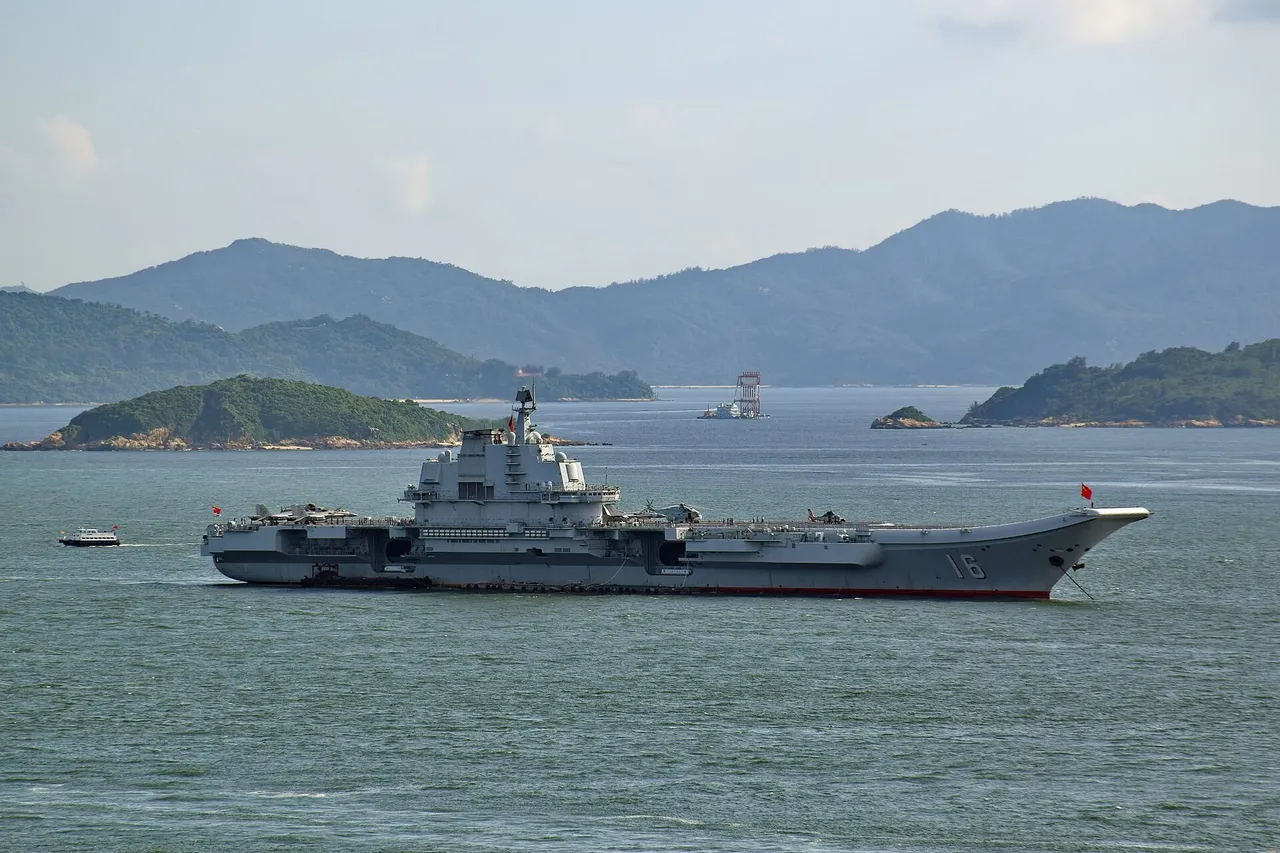
China sends the Liaoning carrier group into the Western Pacific after Lai's National Day speech
Beijing calls the 14 October cruise routine training, but Taiwanese reporting notes the same political timing pattern as the group's long May-June voyage.
TaiwanDefence · 1d ago · 2 min read
Discussion (0)
Comments are not currently available.