
US and Philippine forces hold first joint air and missile defence planning exercise
Planners at Fort Bliss modelled simultaneous cruise missile, drone and ballistic missile attacks on the Philippines and set up a framework for annual joint air defence planning.
TAIPEI —
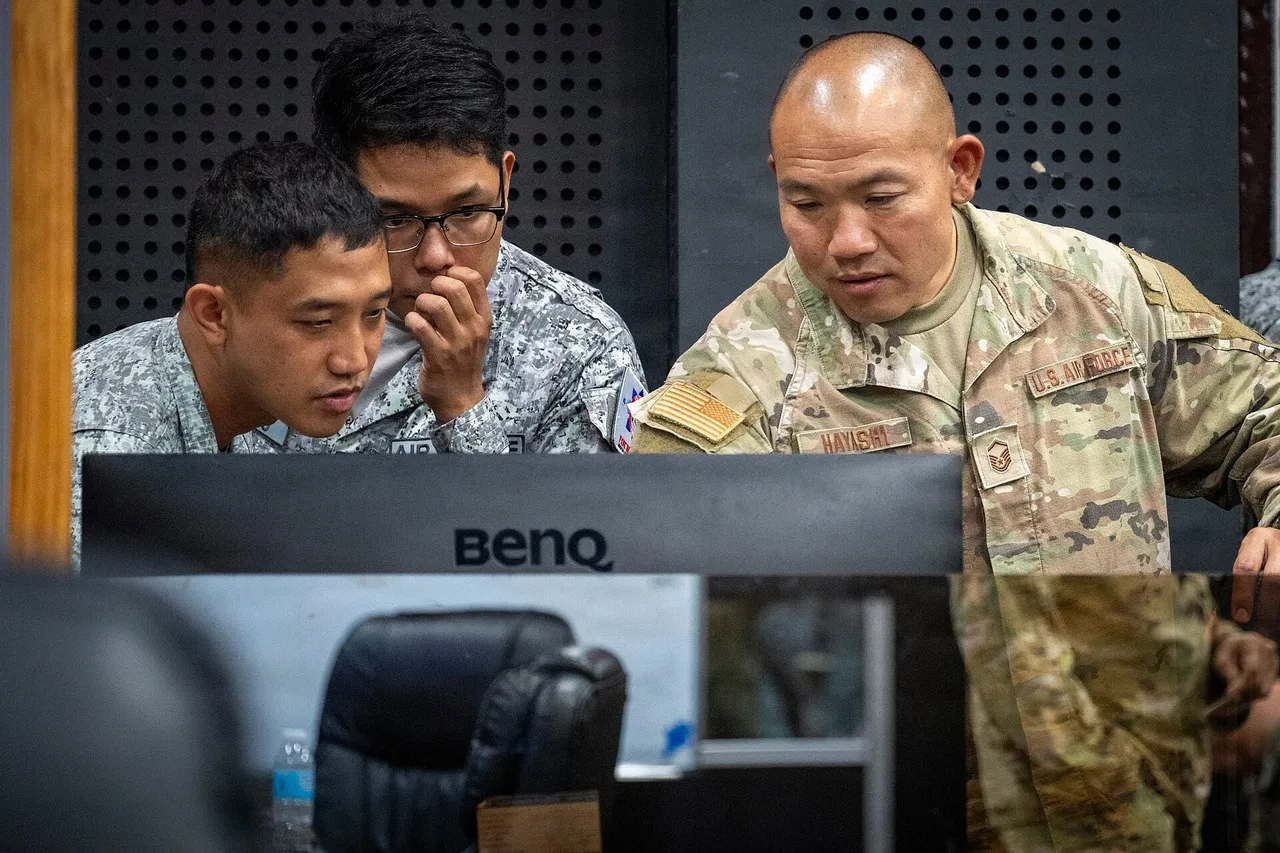
US and Philippine military planners have held their first dedicated joint air and missile defence exercise, rehearsing how they would protect the Philippines against cruise missiles, drones and ballistic missiles arriving at the same time.
The three-day tabletop event, named Synergy Pagtatanggol, brought 25 military specialists together at the Fort Bliss Simulation Center in Texas, according to a 7 October release from the US military's Pacific Integrated Air and Missile Defense Center. Pagtatanggol means defence or protection in Tagalog. The release did not say exactly when the training took place.
Ten Philippine personnel drawn from the country's army, navy, air force and marine corps took part. Using simulation software called SMARTset, planners modelled threats approaching from several directions at once, including low-flying cruise missiles, larger military drones and ballistic missiles.
Col. Matthew Belote, director of the integrated air and missile defence center, said in the release that defending against air attack involves more than shooting down incoming weapons. He listed intercepting threats, protecting personnel and equipment, disrupting enemy attacks and coordinating communications, intelligence and military decisions as the pillars of the mission.
Philippine Maj. Gen. Rommel Cordova, deputy chief of staff for plans, said the allies first needed shared procedures, arguing that the weapons systems were not the starting point and that how the two forces operate together was what mattered most.
Building on Cope Thunder and Balikatan
The exercise built on planning carried out in April at Clark Air Base in the Philippines during Cope Thunder, a joint air exercise, which examined where friendly forces could be positioned and how their capabilities could support a coordinated defence. US officials said the Texas event set up a framework for annual joint air defence planning between the two allies.
The simulations follow increasingly complex US-Philippine drills. During the Balikatan exercise in May, US troops fired a Tomahawk cruise missile from an Army Typhon launcher in the Philippines for the first time. China, which frequently clashes with the Philippines over territory in the South China Sea, has criticised the deployment of American missile systems to the country.
The release did not disclose the results of the simulations or identify which Philippine locations were considered in the scenarios. Stars and Stripes said it had asked the US Army's 32nd Army Air and Missile Defense Command at Fort Bliss and US Pacific Command for more details.
The focus on simultaneous cruise missile, drone and ballistic missile threats, and the move to make the planning annual, suggest that integrated air defence of Philippine territory is becoming a standing part of the alliance's work rather than a one-off exercise.
Sources
More in Indo-Pacific
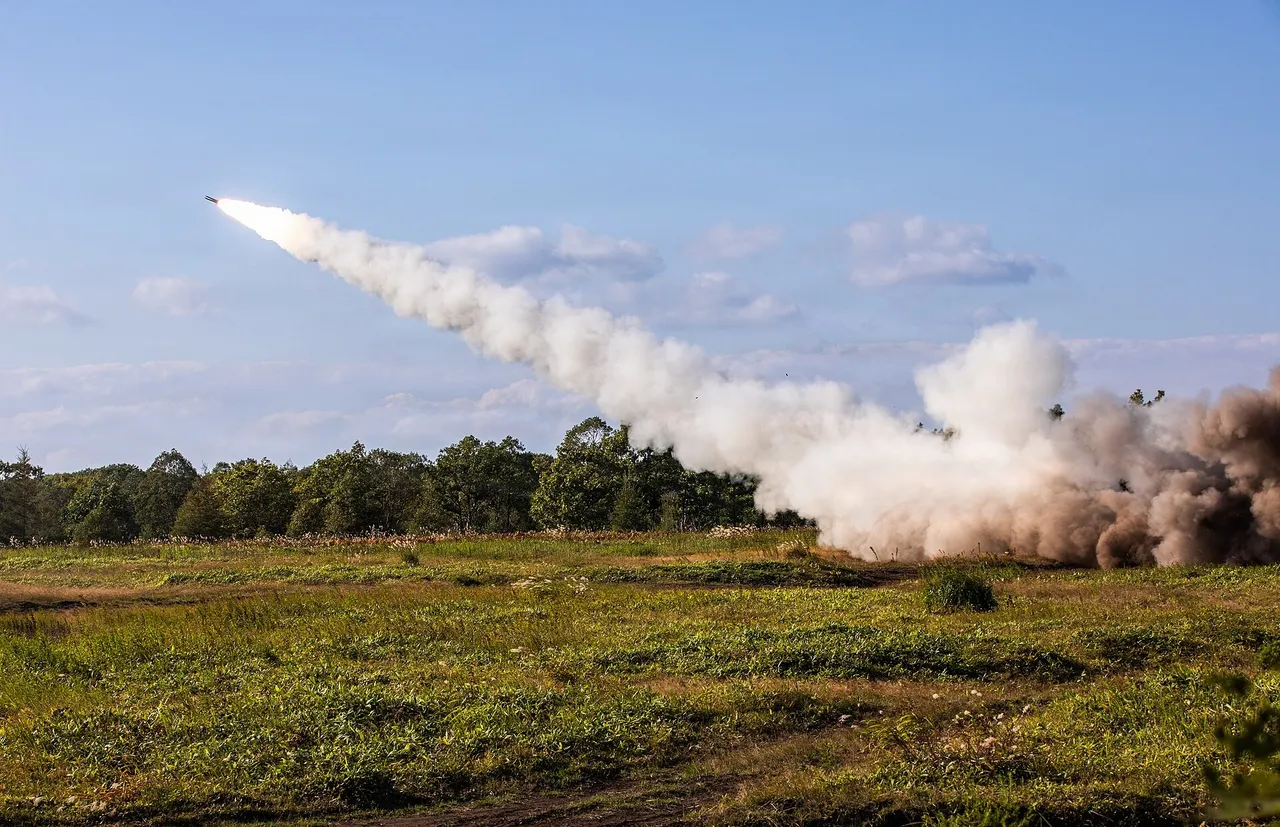
US Army activates fourth multi-domain task force to target Indo-Pacific defences
The new long-range fires formation at Fort Carson will grow to about 2,100 soldiers and report to the Army's Pacific multi-domain headquarters.
TaiwanDefence · 52m ago · 2 min read
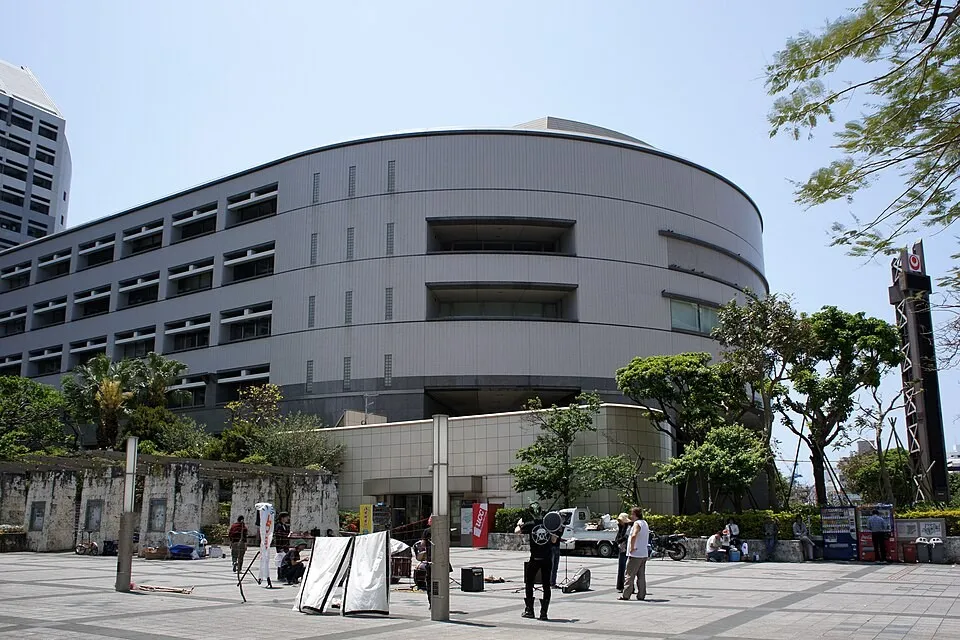
Okinawa assembly demands overhaul of US forces pact after Marine murder arrest
Okinawa lawmakers voted 45-2 for protest texts to Washington and Tokyo seeking changes to suspect-handover rules, as Japan's defence minister said US curfew steps showed serious intent.
TaiwanDefence · 3h ago · 3 min read
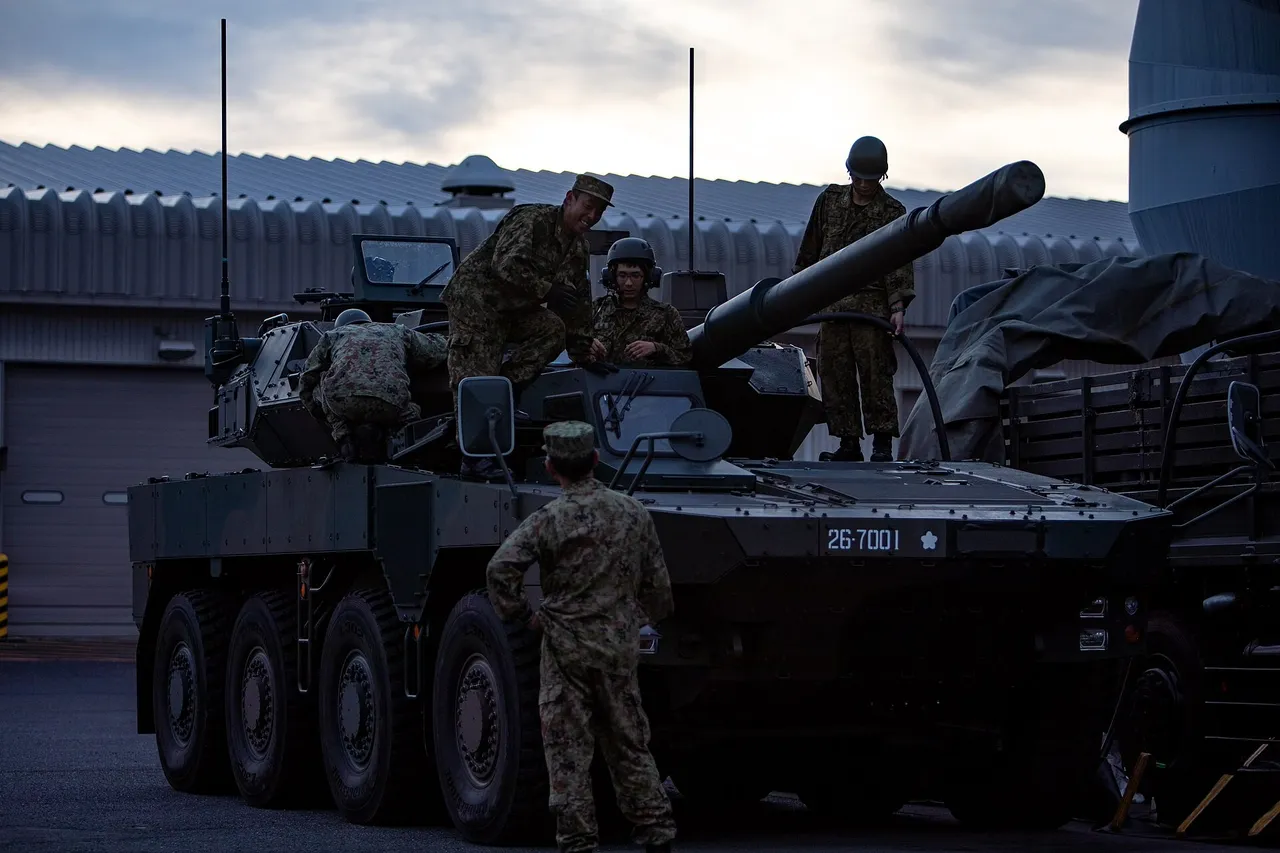
Japan's top officer says Keen Sword will go ahead unchanged despite Okinawa Marine murder case
Gen. Hiroaki Uchikura says the 19-29 October drill, which puts US anti-ship missiles on Yonaguni near Taiwan, stays on track as Okinawa curfews begin.
TaiwanDefence · 9h ago · 2 min read
Discussion (0)
Comments are not currently available.