
ANALYSIS
Why the November 2026 US missile count points to a range gap, not a bomb gap, in any war with China
A CSIS estimate of 10 November 2026 finds the Iran war used up to two-thirds of key US missiles, leaving cheap short-range bombs that China's defences could blunt.

TAIPEI —
This article is an original Taiwan Defence analysis based on the cited public sources. It distinguishes reported facts from analytical judgments and does not represent original field reporting.
On 10 November 2026 the Center for Strategic and International Studies published an updated estimate of US munition stocks after the war with Iran. Its authors, Mark Cancian and Chris Park, concluded that the United States has enough weapons to resume fighting Iran, but that the picture against China gives cause for serious concern. Defense News, reporting on the study on 19 November, said it drew on expenditure data current as of 3 November.
The study estimates that in the 39-day campaign up to the 8 April ceasefire, and in the operations that followed, US forces used between a third and two-thirds of several key munition inventories. Roughly a third of prewar stocks of Tomahawk cruise missiles and of Joint Air-to-Surface Standoff Missiles, or JASSMs, were fired, and both weapons would be central in any conflict with China.
That headline range hides the more important finding. What ran short is a particular kind of weapon, the long-range missile and the interceptor, rather than munitions in general.
Plenty of bombs, fewer long arms
CSIS sorted most US conventional munitions into nine categories and, according to Defense News, rated seven of them as showing detrimental effects on resupply. Patriot, THAAD and Standard Missile interceptors were classed as heavily used with no substitutes, while Tomahawk, JASSM and the Army's Precision Strike Missile were heavily used but with some substitutes.
Those substitutes are short-range weapons. The United States holds large numbers of munitions such as JDAM-guided bombs and small-diameter bombs that match the accuracy and explosive weight of the long-range missiles but fly less than 300 miles. The report illustrates the trade-off with a 1,000-pound payload: a bomb fitted with a JDAM kit reaches about 15 miles for roughly US$100,000, while a JASSM travels about 600 miles for around US$2.4 million.
That cheaper mix is what carried the Iran campaign. Gen. Dan Caine, chairman of the Joint Chiefs of Staff, said on 4 March that US forces had reached a point of munitions transition as Iranian air defences were destroyed, and by 13 March Defense Secretary Pete Hegseth said only about one per cent of the munitions being used were standoff weapons, Stars and Stripes reported.
Why China changes the arithmetic
The CSIS authors argue that such a transition may not be achievable against a great power. In their assessment, the extensive air defences of the People's Liberation Army would take much longer to wear down and might remain strong enough to stop short-range weapons from being used widely, which would keep US aircraft and ships dependent on the scarcer long-range missiles.
Defense News drew the same lesson from the report: shorter ranges raise the importance of winning air superiority, and an adversary with strong air power and defences could blunt them. For any fight close to China's coast, that makes range the limiting factor rather than the raw number of bombs in US depots.
Missile defence is the sharper problem. CSIS estimates that about two-thirds of prewar Patriot interceptors have been fired at Iranian ballistic missiles, along with around half of the THAAD inventory. The Army has eight operational THAAD batteries, including ones deployed before the war in Guam and South Korea, and the report notes that the prewar interceptor stock was already considered inadequate for a war with China.
Time, not money
Production is rising. Lockheed Martin aims to lift annual Patriot interceptor output to 2,000 from about 600 today and plans to quadruple THAAD capacity, while RTX intends to raise Tomahawk production to 1,000 a year after orders averaged just 86 missiles a year over the past decade. Even so, most munitions take two to four years to arrive after Congress funds them, and allied demand is lengthening the queue: about 1,600 Patriot interceptors were already in the allied backlog before the war.
The authors conclude that the problem is time rather than money, provided Congress keeps funding munitions, and that only multiyear commitments will persuade industry to invest its own capital. Their stated worry is that the Pentagon cuts orders once the current crises ease, leaving new production lines idle.
The study does not show that the United States is running out of weapons; against Iran it argues the opposite. It shows that the weapons consumed fastest are the ones a war with China would need first, and that replacing them will take longer than a single budget cycle. Whether fiscal 2027 funding turns into sustained orders for long-range missiles and interceptors is the clearest test of how seriously Washington treats that gap.
Sources
More in Analysis
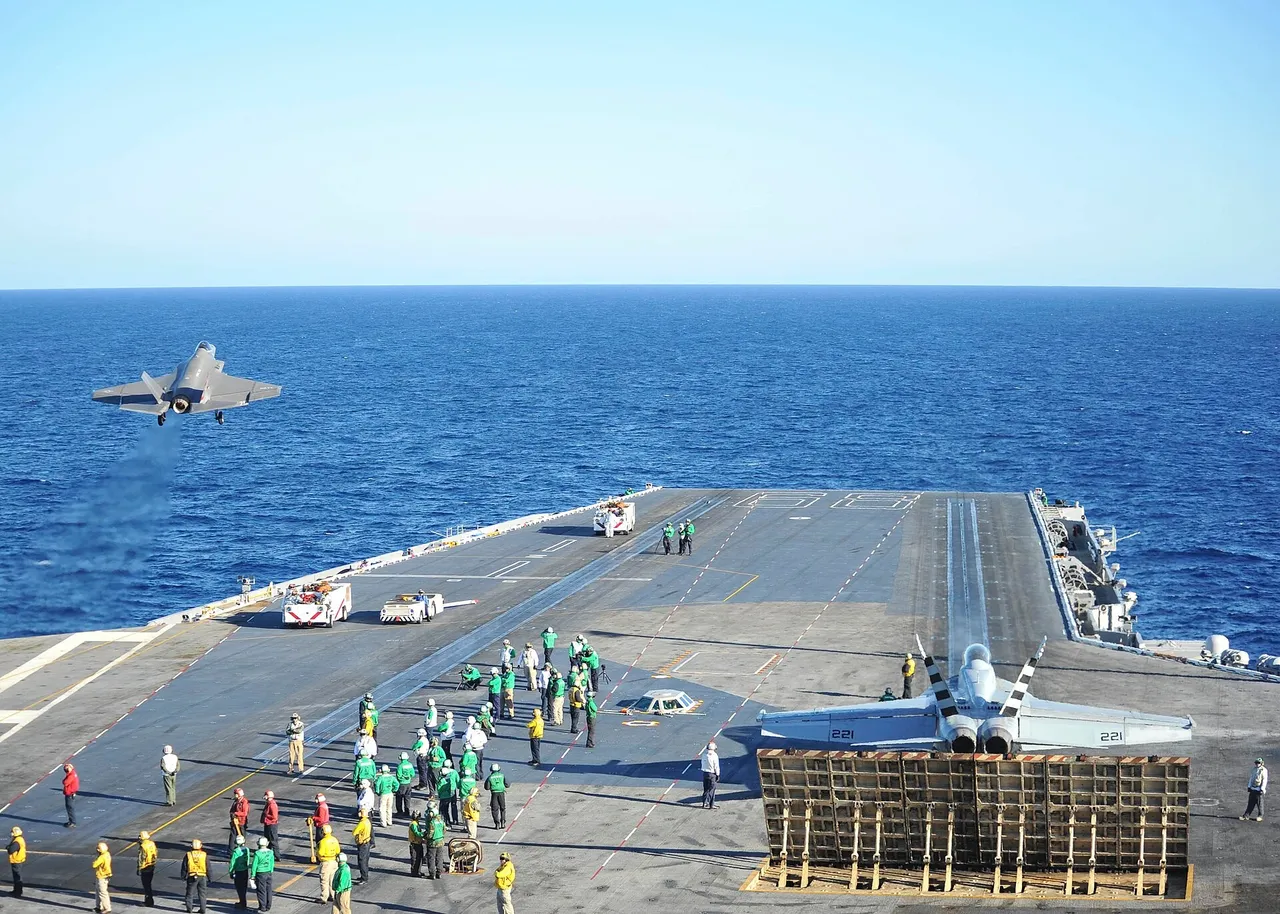
Why the US Navy's 19 November 2026 drone pledge makes the F-35C, not F/A-XX, its first drone partner
On 19 November 2026 the Navy's under-secretary pick said carrier drones need not wait for F/A-XX, putting early hopes on the F-35C and on control software.
TaiwanDefence · 2h ago · 3 min read
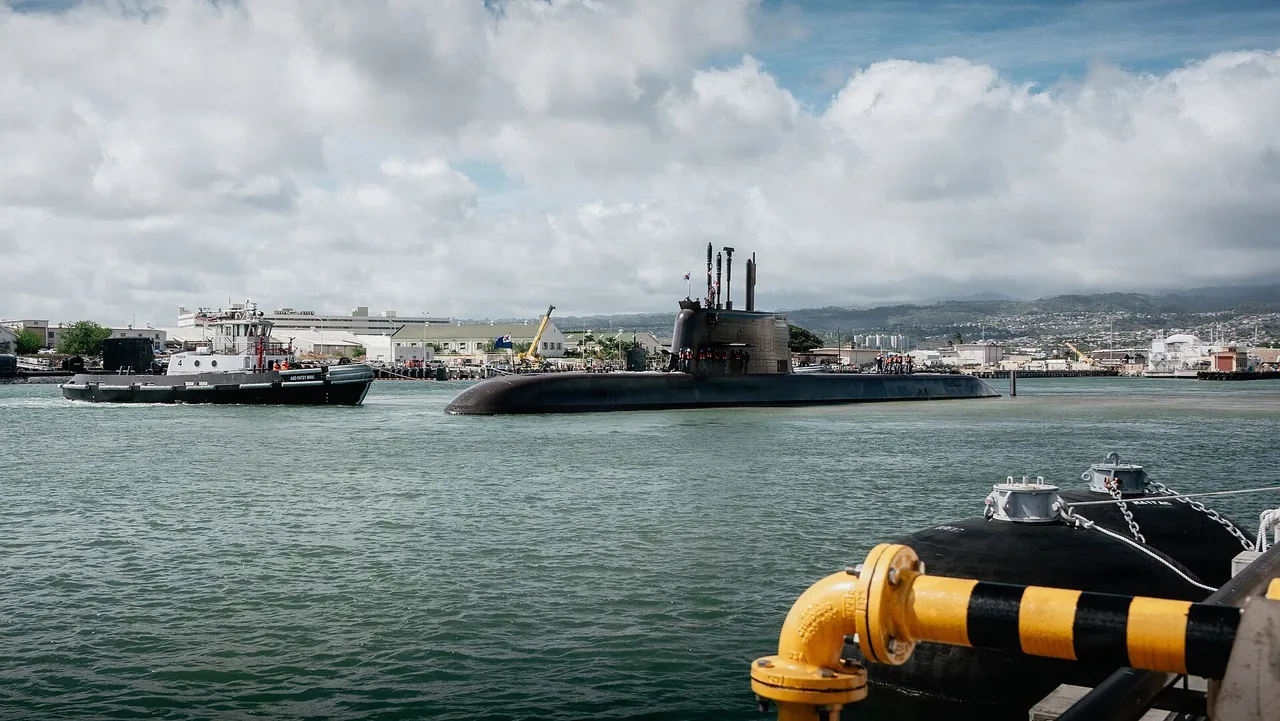
Why Korea's nuclear-sub bidding race of 16 November 2026 hinges on parts neither shipyard controls
Hanwha and HD Hyundai squared off on 16 November 2026 for Seoul's nuclear submarines, but the reactor, fuel and budget that set the pace stay with the state.
TaiwanDefence · 4h ago · 3 min read
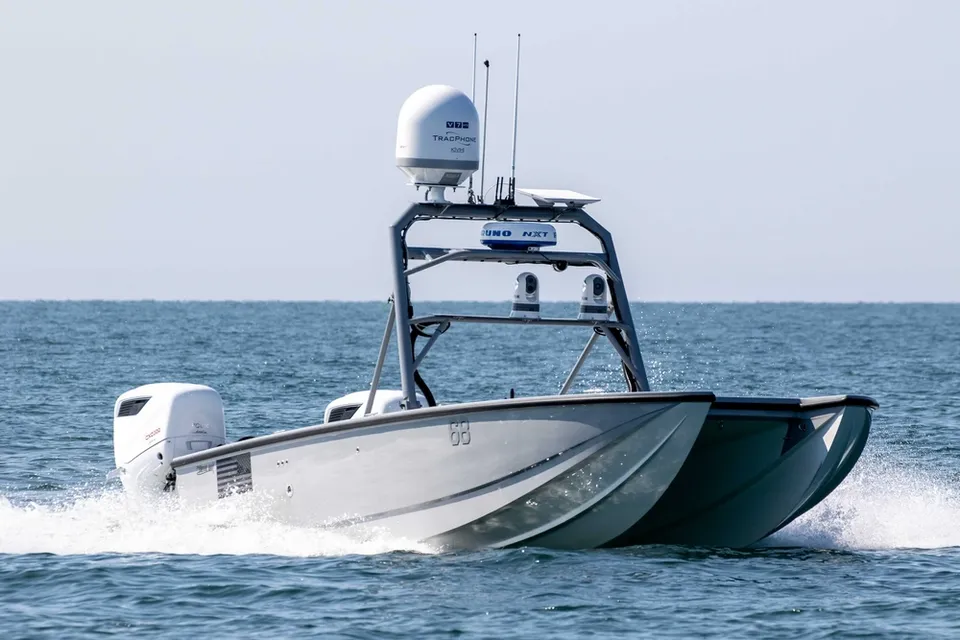
Why the coast guard drone boats promised on 10 November 2026 will be a trial for Taiwan, not yet a fleet
MARTAC said on 10 November 2026 that Taiwan's coast guard gets its first two T24 drone boats within weeks, but the fleet size and local production remain unsettled.
TaiwanDefence · 5d ago · 3 min read
Discussion (0)
Comments are not currently available.