
ANALYSIS
Why the US Navy's 19 November 2026 drone pledge makes the F-35C, not F/A-XX, its first drone partner
On 19 November 2026 the Navy's under-secretary pick said carrier drones need not wait for F/A-XX, putting early hopes on the F-35C and on control software.

TAIPEI —
This article is an original Taiwan Defence analysis based on the cited public sources. It distinguishes reported facts from analytical judgments and does not represent original field reporting.
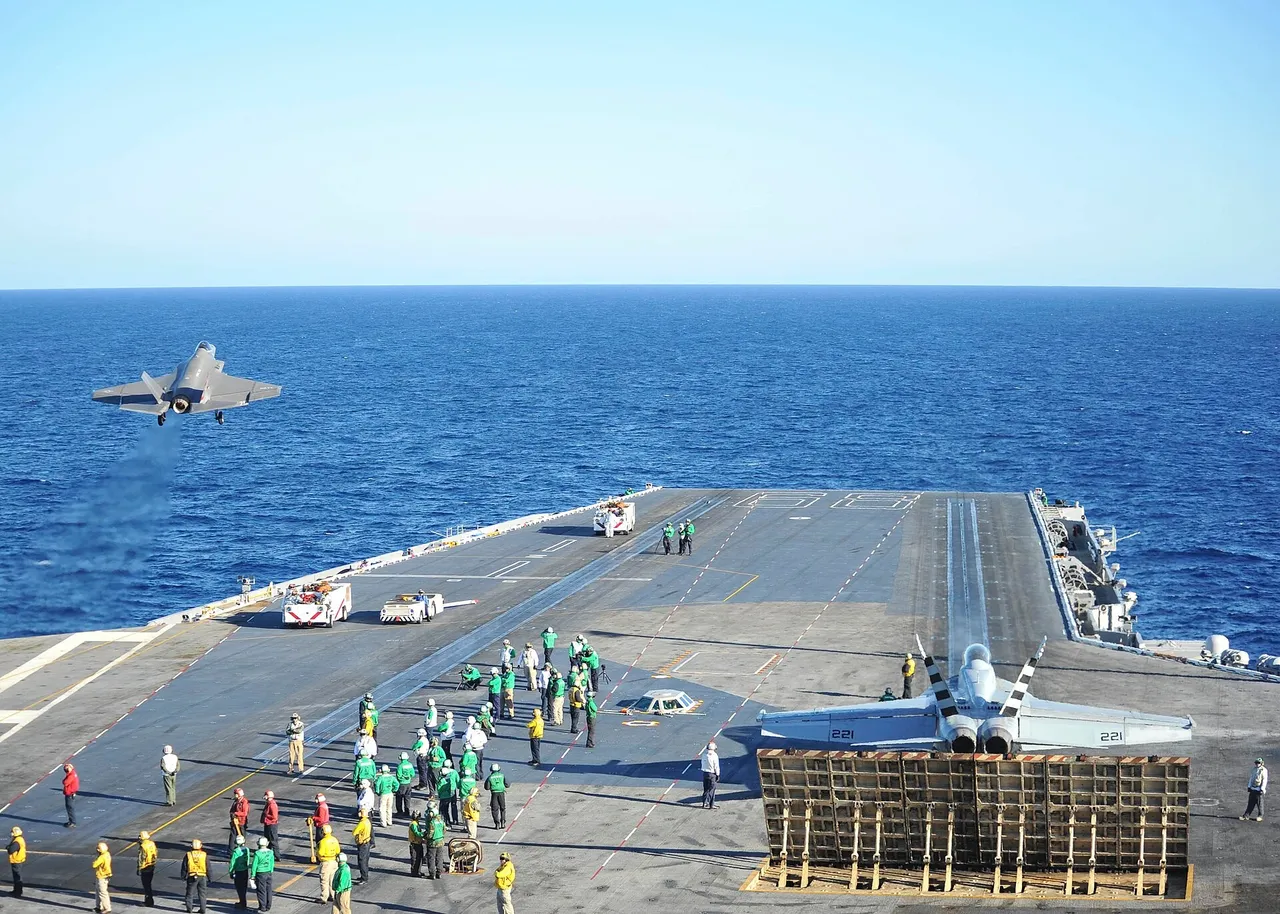
On 19 November 2026, William Toti, who is performing the duties of US Navy under secretary and has been nominated for the post, told the Senate Armed Services Committee that the service does not need to wait for its F/A-XX next-generation fighter before adding Collaborative Combat Aircraft drones to carrier air wings.
Toti said the two efforts are independent and that the Navy could probably start integrating such systems before F/A-XX is delivered, adding that drone control would likely be built into the new fighter from the ground up but could also be used with the F-35C.
The remarks matter less as a schedule promise than as a statement of priorities. By decoupling drones from the troubled fighter, the Navy is signalling that the first gains in carrier air power are likely to come from teaming uncrewed aircraft with jets already on deck rather than from the next airframe.
Toti is a retired Navy captain and former chief executive of Sparton Corporation who took a Pentagon senior adviser role in 2024 and began performing the under secretary's duties in May, according to Defense One.
A programme still at an early stage
Toti described the carrier CCA programmes as still nascent. He said the Navy needs low-cost, attritable assets in its air wing, that the Air Force has been leading on the issue and that the Navy is following closely behind.
According to The War Zone, the Navy hired Anduril, Boeing, General Atomics and Northrop Grumman in September 2025 to develop conceptual designs for carrier-based CCAs, while Lockheed Martin has worked on the underlying control architectures. Defense One reported that the Navy issued a prototype-focused request for information on CCAs in September 2026, including requirements for carrier integration.
The War Zone also noted that the Navy's first fixed-wing carrier drone is set to be the MQ-25 Stingray tanker, and that Naval Air Systems Command laid out requirements in August closer to an advanced uncrewed combat air vehicle. Separately, the Navy is investing in Shield AI's X-BAT vertical take-off drone through a different programme.
The Navy came close to this point once before. In the mid-2010s it flight-tested two X-47B demonstrators that operated from carriers and refuelled in flight under the UCLASS programme, before changing course to pursue a tanker drone, which became the MQ-25, The War Zone recalled.
Defense One noted that in October, a month after the Navy's request for information, the Air Force, which has been developing CCAs for several years, tested two of them in air combat manoeuvres.
Why the F-35C becomes the bridge
Boeing won the F/A-XX competition in September, and the aircraft is expected to fly in the 2030s, but Defense One noted that the administration offered only minimal support for the programme in its 2027 budget request. The War Zone reported continued concerns about industrial capacity at Boeing, which also builds the Air Force's F-47.
Toti said in his prepared answers that unmanned aircraft can extend operational reach, add capacity and complement crewed aviation, and that the right mix must preserve near-term readiness. Acting Navy Secretary Hung Cao told his own confirmation hearing that the Navy needed F/A-XX to stay ahead of potential adversaries, including China.
Taken together, those constraints make the F-35C the practical bridge. If drones are to reach carrier decks within this decade, they will have to work with the fighters the Navy already flies, and the Super Hornet and Growler fleets that F/A-XX is meant to replace could also serve as controllers, as The War Zone suggested.
The War Zone also reported that the Navy, Air Force and Marine Corps have agreed to use the same or compatible control architectures, so that crewed aircraft from one service can direct another service's drones. The Air Force expects its F-22s to be the first controllers for its CCAs, while the Marine Corps plans to pair its first CCAs with F-35s.
What would make it real
The decisive factor, on this reading, is software rather than hardware. A shared control architecture, already being built for the Air Force and Marines, lets the Navy borrow progress it has not paid for itself, while airframe choices, carrier launch and recovery and funding remain open questions that Toti did not settle.
Indicators to watch include whether the Navy's 2028 budget request funds a carrier CCA prototype, whether the service names a lead integrator for F-35C teaming, and whether F/A-XX receives more than token funding. Without those steps, the promise of drones before F/A-XX would remain an aspiration rather than a plan, especially for carrier air wings expected to operate in the Western Pacific.
Sources
More in Analysis
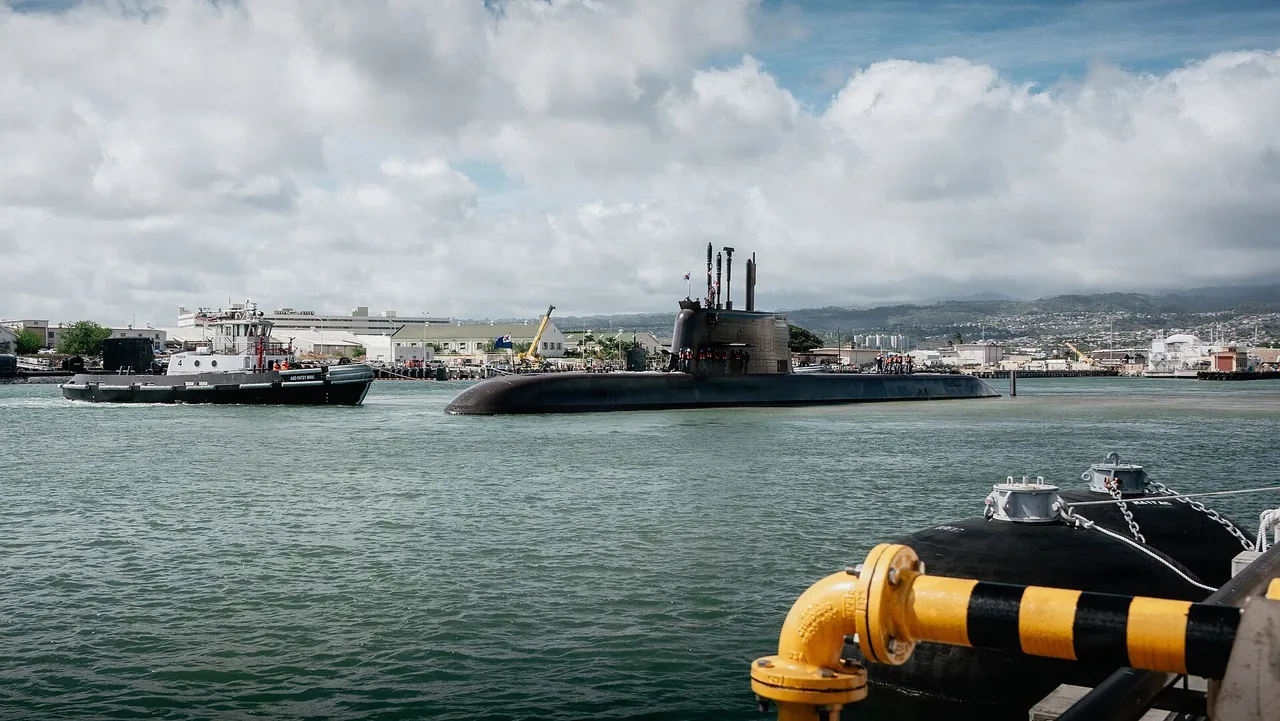
Why Korea's nuclear-sub bidding race of 16 November 2026 hinges on parts neither shipyard controls
Hanwha and HD Hyundai squared off on 16 November 2026 for Seoul's nuclear submarines, but the reactor, fuel and budget that set the pace stay with the state.
TaiwanDefence · 2h ago · 3 min read
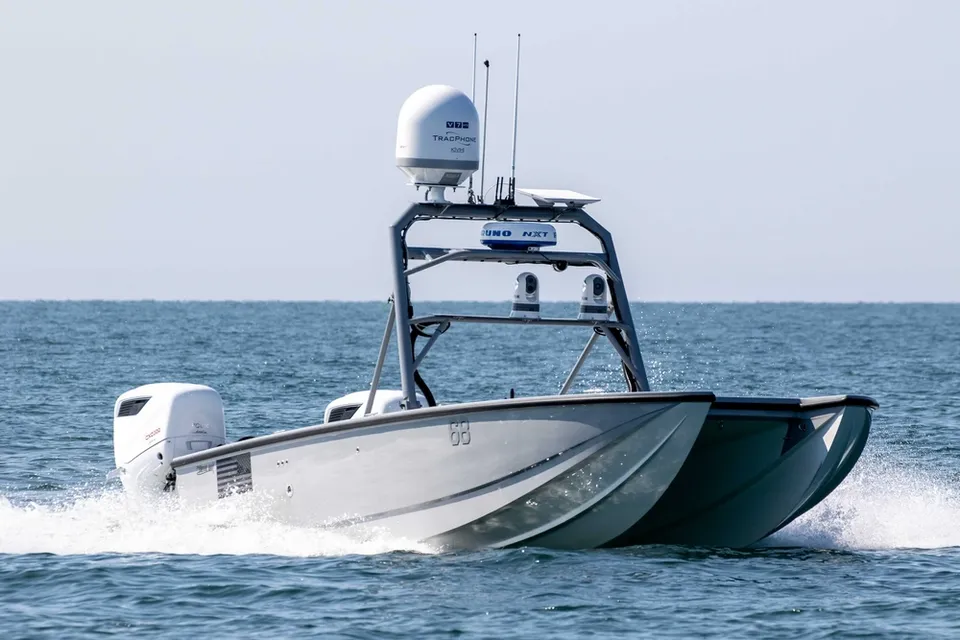
Why the coast guard drone boats promised on 10 November 2026 will be a trial for Taiwan, not yet a fleet
MARTAC said on 10 November 2026 that Taiwan's coast guard gets its first two T24 drone boats within weeks, but the fleet size and local production remain unsettled.
TaiwanDefence · 5d ago · 3 min read
Why a 9 November 2026 call to notify a first slice of Taiwan's arms package is about the production queue
Two US researchers argued on 9 November 2026 that Washington should notify a small first tranche, because each month of delay can push Taiwan's air defences back.
TaiwanDefence · 5d ago · 4 min read
Discussion (0)
Comments are not currently available.