
Chinese and Russian spy planes draw Japanese fighter scrambles on four straight days
Japan's Joint Staff says three Chinese Y-9 flights and two Russian IL-20 missions approached Japan over four days while the Keen Sword exercise was under way.
TAIPEI —
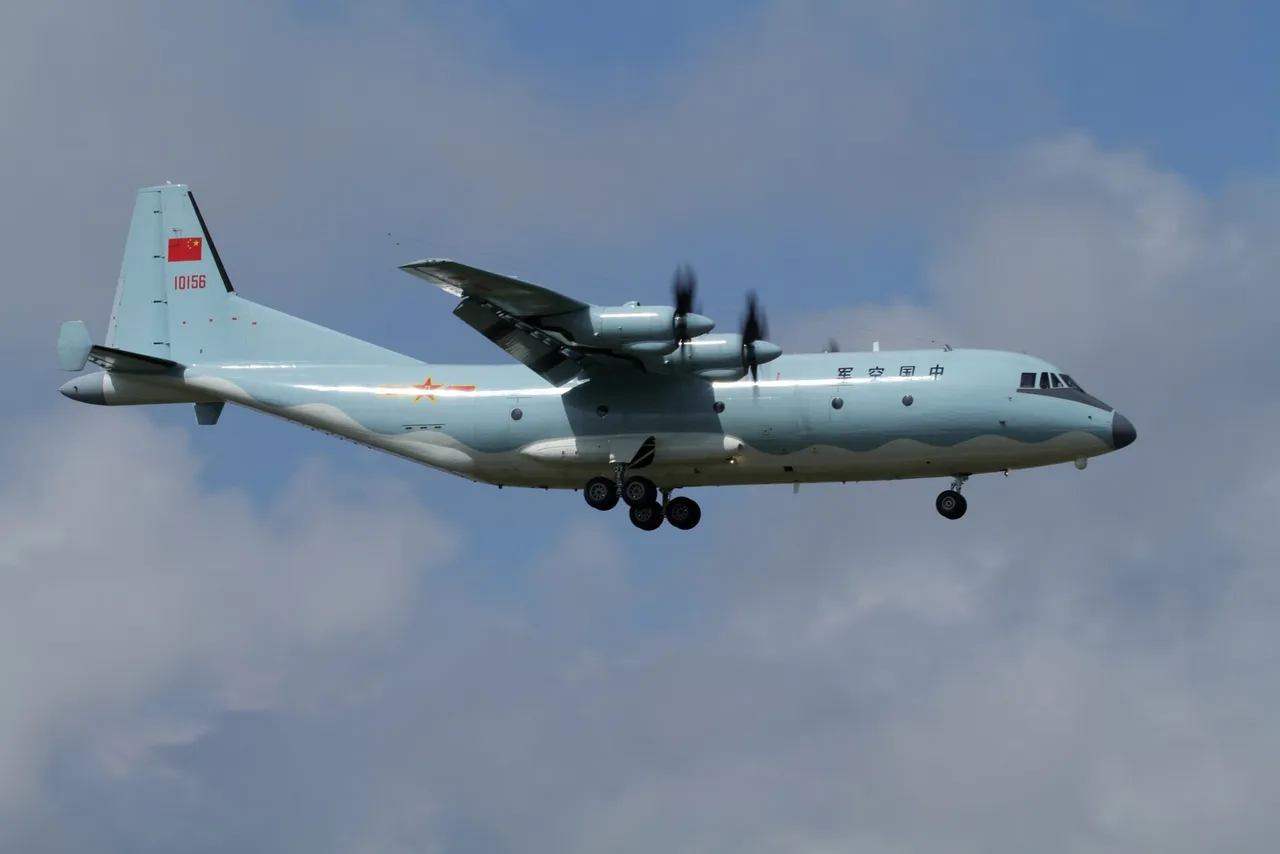
Chinese and Russian military intelligence aircraft flew toward Japan on four consecutive days this week, and the Japan Air Self-Defense Force scrambled fighters on every one of them, according to releases from Japan's Joint Staff and a tally compiled by the specialist outlet Defence Blog. Five flights were tracked between 20 and 23 October: three by Chinese Y-9 aircraft and two by Russian IL-20 signals intelligence planes. No violation of Japanese airspace was reported.
The Chinese activity came first. On the morning of 20 October a PLA Y-9 maritime patrol aircraft flew in from the East China Sea, passed through the gap between Okinawa's main island and Miyako-jima into the Pacific and continued to waters off Amami Oshima before turning back along the same route toward the Chinese mainland. That afternoon a second Y-9, an intelligence-gathering version, flew a round trip over the East China Sea between waters south of the Danjo Islands in Nagasaki Prefecture and an area northwest of Okinawa's main island. Fighters of the Southwestern Air Defense Force were launched in response.
The pattern was repeated on 21 October, when a Y-9 intelligence-gathering aircraft again crossed between Okinawa and Miyako-jima, flew out to the area off Amami Oshima and then returned through the same gap toward the mainland. Southwestern Air Defense Force fighters scrambled for a second day running.
Russia then flew identical missions on back-to-back days. On 22 October and again on 23 October, a single IL-20 approached from the direction of the Asian mainland, crossed the Sea of Japan to waters off Shimane Prefecture on the western coast of Honshu, then reversed course and headed home. The Joint Staff said fighters of the Northern Air Defense Force and other units were scrambled on both occasions, and it released Air Self-Defense Force photographs of the aircraft each time.
The two types are built for different jobs. The Y-9 is a Chinese four-engine turboprop produced in several military versions, including maritime patrol and electronic intelligence variants. The IL-20 is a Russian turboprop modified to gather electronic and signals intelligence. The Joint Staff described the Y-9 seen on 20 October as a patrol aircraft and the later Y-9 and both IL-20s as intelligence-gathering aircraft.
The flights took place during Keen Sword, the large United States and Japan joint exercise running from 19 to 29 October, for which Japan planned to commit about 45,000 personnel, 260 aircraft and 40 vessels. They also came shortly after operations by the Chinese carrier Liaoning and its escorts, which passed between Okinawa and Miyako-jima on 14 October and conducted fighter take-offs and landings roughly 250 kilometres south of Ishigaki-jima, prompting another Japanese scramble.
Japan's releases for the four days do not say whether the Chinese and Russian missions were connected, and none of the reports attributes a specific purpose to them. The Joint Staff publishes such notices whenever foreign military aircraft approach Japan closely enough to trigger a fighter launch, giving an unusually detailed public record of the routes flown.
The route used by the Chinese aircraft is significant beyond Japan. The waters between Okinawa and Miyako-jima form one of the main corridors that Chinese military ships and aircraft use to move between the East China Sea and the Pacific. Regular PLA reconnaissance through that gap, particularly while a major allied exercise is under way, fits a wider pattern of Chinese military activity along the island chain that runs from southern Japan toward Taiwan, which makes the movements relevant to defence planners in Taipei as well as in Tokyo.
Sources
More in Indo-Pacific
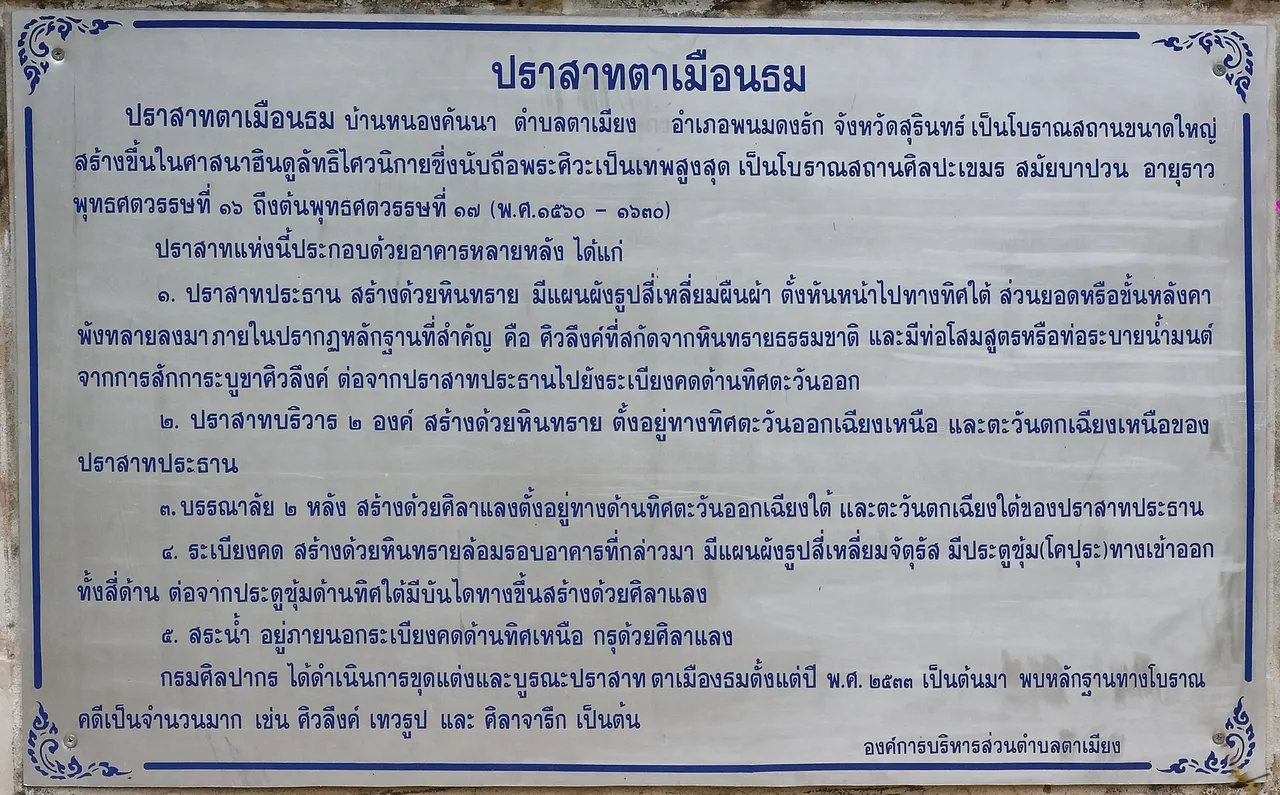
Thai army rejects Cambodian charges over three border temples as Phnom Penh protests a military road
Bangkok says troops at Ta Muen Thom, Ta Kwai and Khana are on Thai soil, while Cambodia lodges a formal protest over Thai army road work in Oddar Meanchey.
TaiwanDefence · 3h ago · 3 min read
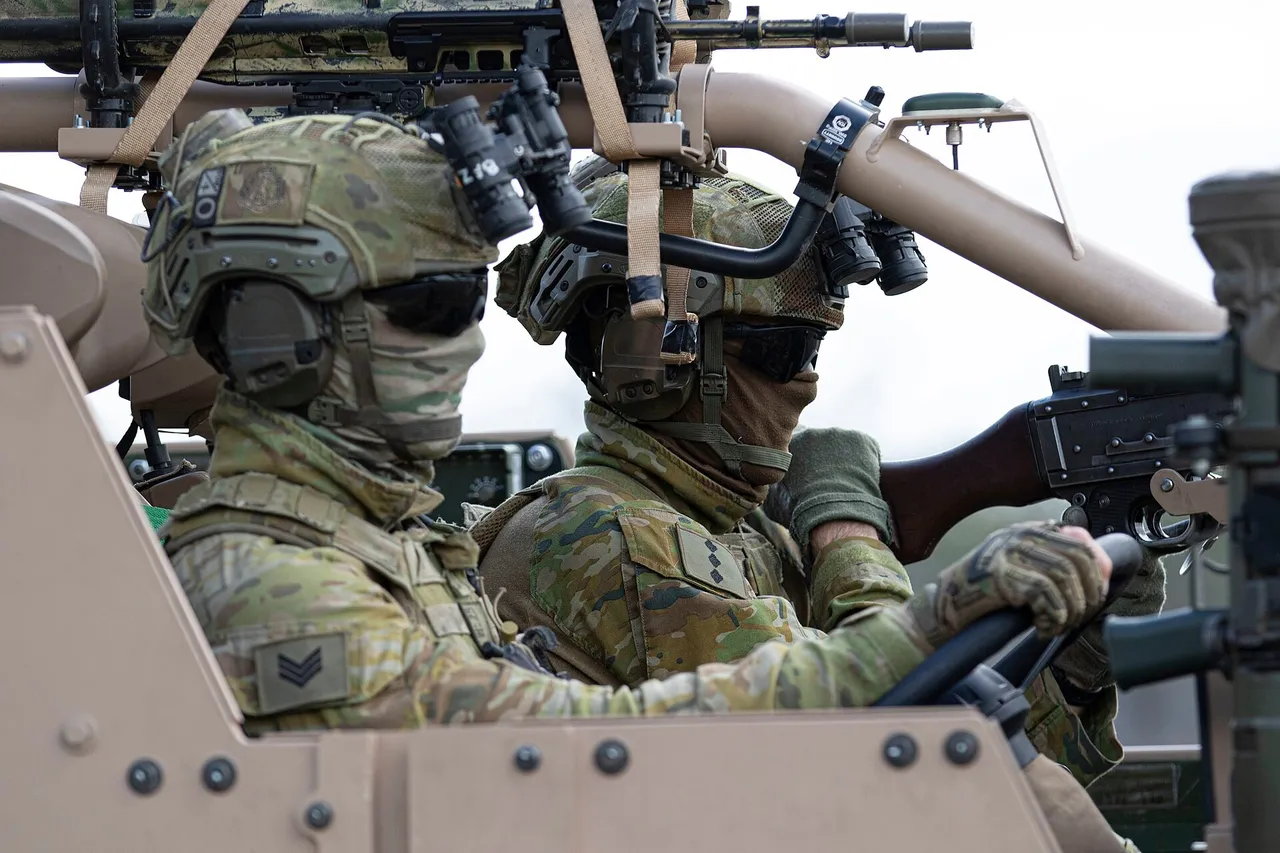
Australian Defence confirms an earlier Supacat tip-over after a fatal rollover in the Northern Territory
The six-wheel transporter that killed a corporal at Mount Bundey had laid over on a 2020 driver course, while British Jackal variants logged more than 30 rolls.
TaiwanDefence · 4h ago · 3 min read
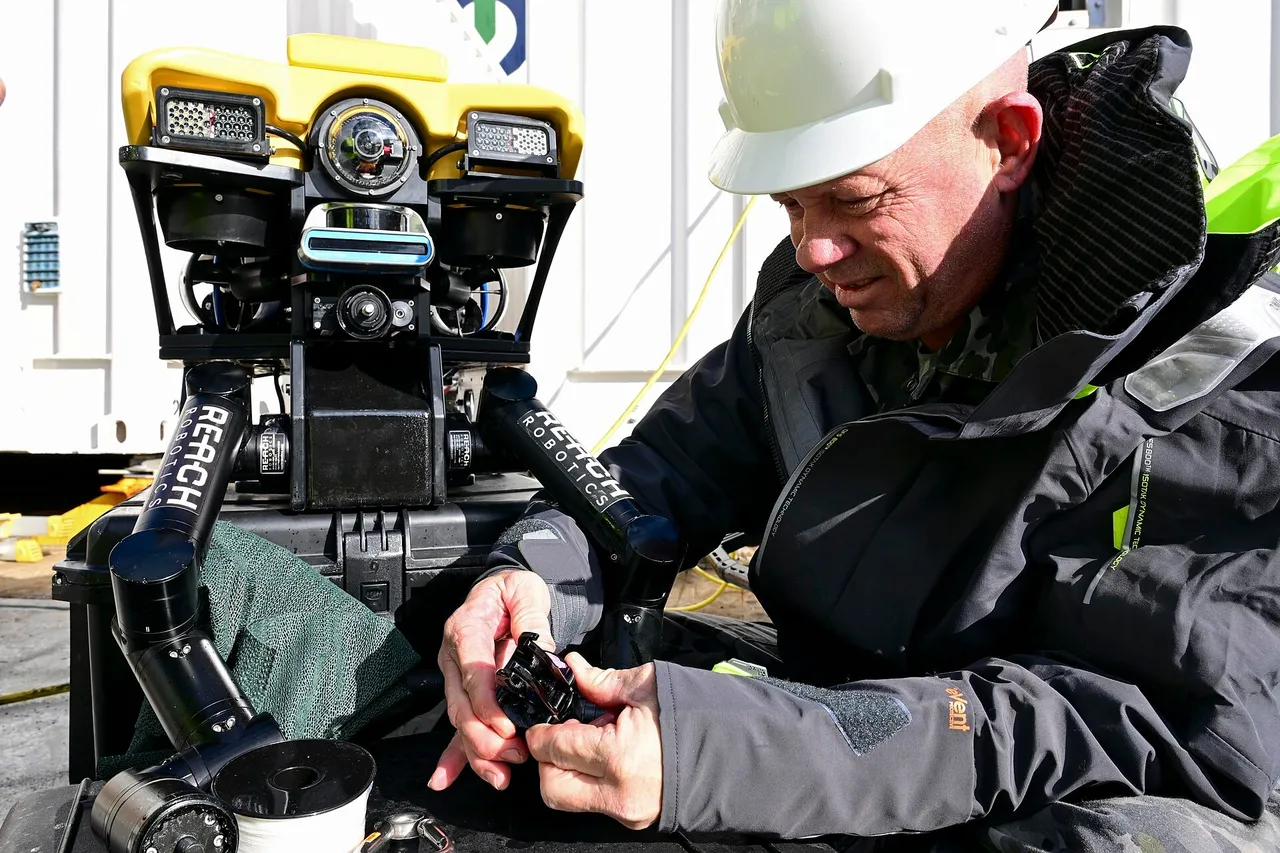
AUKUS officials say undersea drone work is on track after live trials off California
More than 40 crewed and uncrewed systems were put through strike, resupply and submarine-hunting scenarios, with payload deliveries due to start next year.
TaiwanDefence · 5h ago · 3 min read
Discussion (0)
Comments are not currently available.