
India's home-built submarine AIP system enters its next phase of tests at Hazira
DRDO has begun the Setting to Work Phase-2 stage for its fuel-cell air-independent propulsion module, with a Kalvari-class refit planned for early 2027.
TAIPEI —
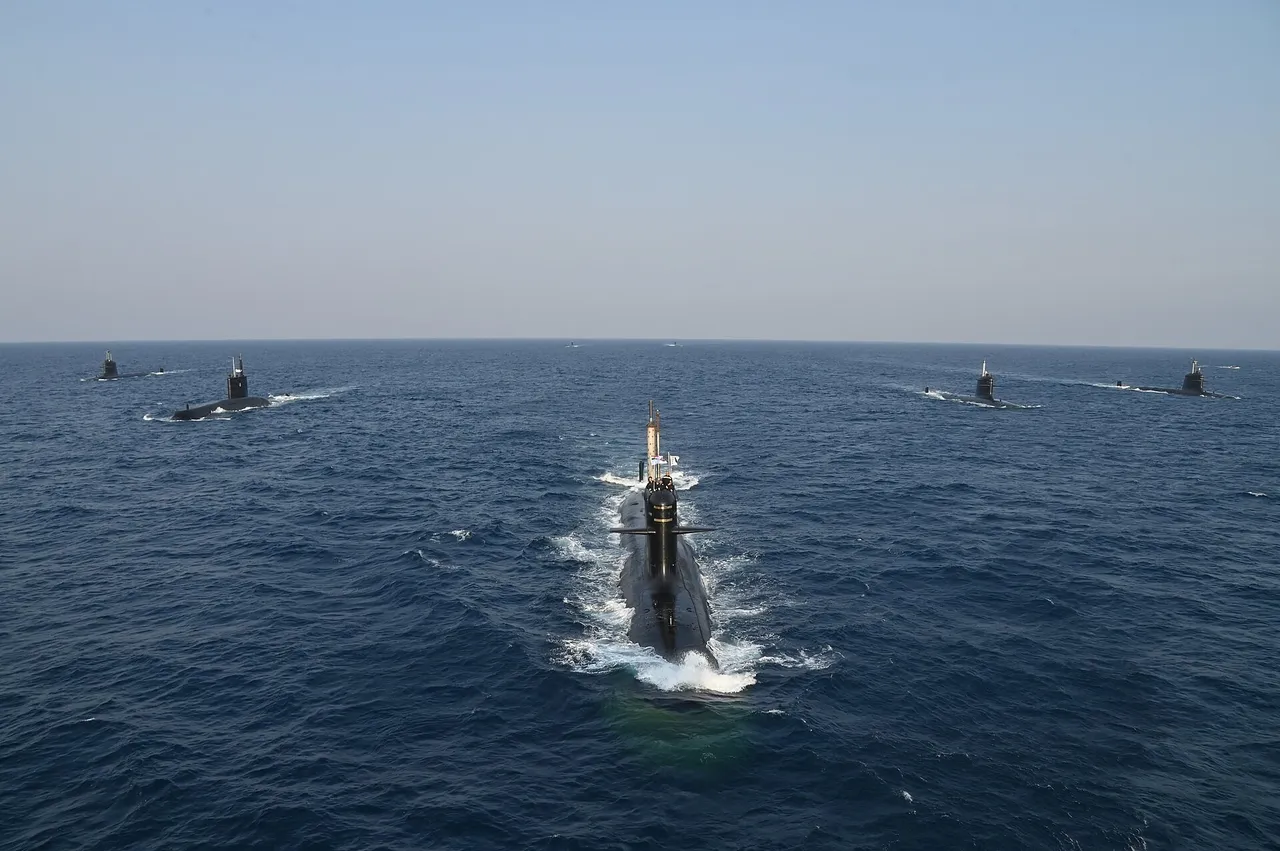
India's locally developed air-independent propulsion system for the navy's diesel-electric submarines moved into a new stage of testing on Saturday, when the Defence Research and Development Organisation opened the Setting to Work Phase-2 activity for the system's energy module. The event took place at the AM Naik Heavy Engineering Complex run by Larsen and Toubro at Hazira in Gujarat, according to reports by Bharatshakti and Aaj Tak.
The system was developed by the Naval Materials Research Laboratory, a DRDO laboratory. Air-independent propulsion, usually shortened to AIP, lets a conventional submarine generate power underwater without drawing in outside air. That cuts how often the boat has to come up to snorkel depth to run its diesel engines and recharge its batteries, the moment when it is most likely to be detected. The DRDO design relies on hydrogen and fuel-cell technology.
Defence Secretary Rajesh Kumar Singh, who also chairs DRDO, opened the activity by video link. Vice Admiral B. Sivakumar, the Indian Navy's Chief of Materials, and R. Balamuralikrishnan, DRDO's Director General for Naval Systems and Materials, attended in person at Hazira. Singh credited the laboratory's scientists and industrial partners for the progress and thanked the navy for its help in testing and validating the system at each stage.
He also urged the teams to keep the programme on track with the navy's planned induction dates while holding to strict safety standards, a point both reports tied to the particular hazards of handling hydrogen and fuel cells on board a submarine.
The next step is to energise the AIP energy module so that it begins producing power, and then to put it through a full series of tests under Indian Navy protocols. If those tests are passed, the module is due to be handed to Mazagon Dock Shipbuilders Limited, which will integrate it into a Kalvari-class submarine in early 2027.
The Kalvari class is India's version of the French Scorpene design. Mazagon Dock built all six boats in Mumbai under Project-75 with Naval Group, from INS Kalvari, commissioned in December 2017, to INS Vagsheer, commissioned in January 2025. None of them was built with AIP. The plan is to add the DRDO system by cutting each boat and inserting a new hull section, known as a plug, during a scheduled refit.
The groundwork for that retrofit was laid in December 2024, when the Ministry of Defence signed contracts worth around 2,867 crore rupees. Mazagon Dock received about 1,990 crore rupees to build the AIP plug and integrate it, and Naval Group about 877 crore rupees to integrate a DRDO-developed electronic heavyweight torpedo on the class. Earlier this month the defence secretary said the first AIP installation would take place when one of the boats comes in for refit around the middle of 2027.
The work sits alongside a wider push to expand India's conventional submarine force. Project-75 India, a plan for six new AIP-equipped submarines to be built by Mazagon Dock with Germany's ThyssenKrupp Marine Systems, was awaiting a final government decision in early October, and two more Scorpene-type boats were also under consideration.
A working domestic AIP system matters for India's position in the Indian Ocean, where Chinese naval activity has grown and where long submerged patrols give submarines more room to watch shipping routes and choke points without being found. Passing the next round of tests would move the navy closer to fielding the technology on a frontline boat rather than relying on foreign designs.
Sources
More in Navy
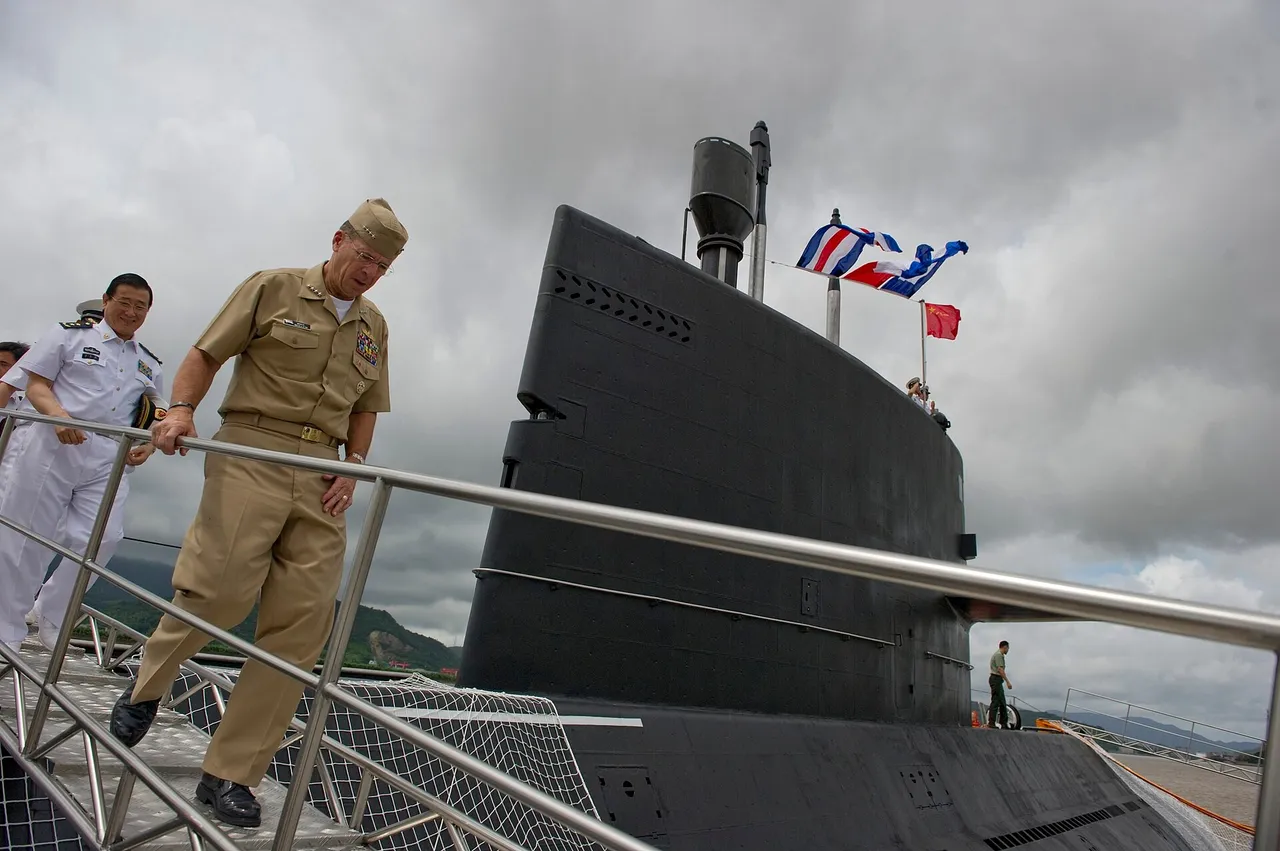
Russian design bureau sent submarine designs and test data to China, C4ADS report finds
A Washington research group traced 12 shipments worth over 80 million dollars from Russia's Rubin bureau to Chinese military buyers between 2015 and 2023.
TaiwanDefence · 3h ago · 3 min read
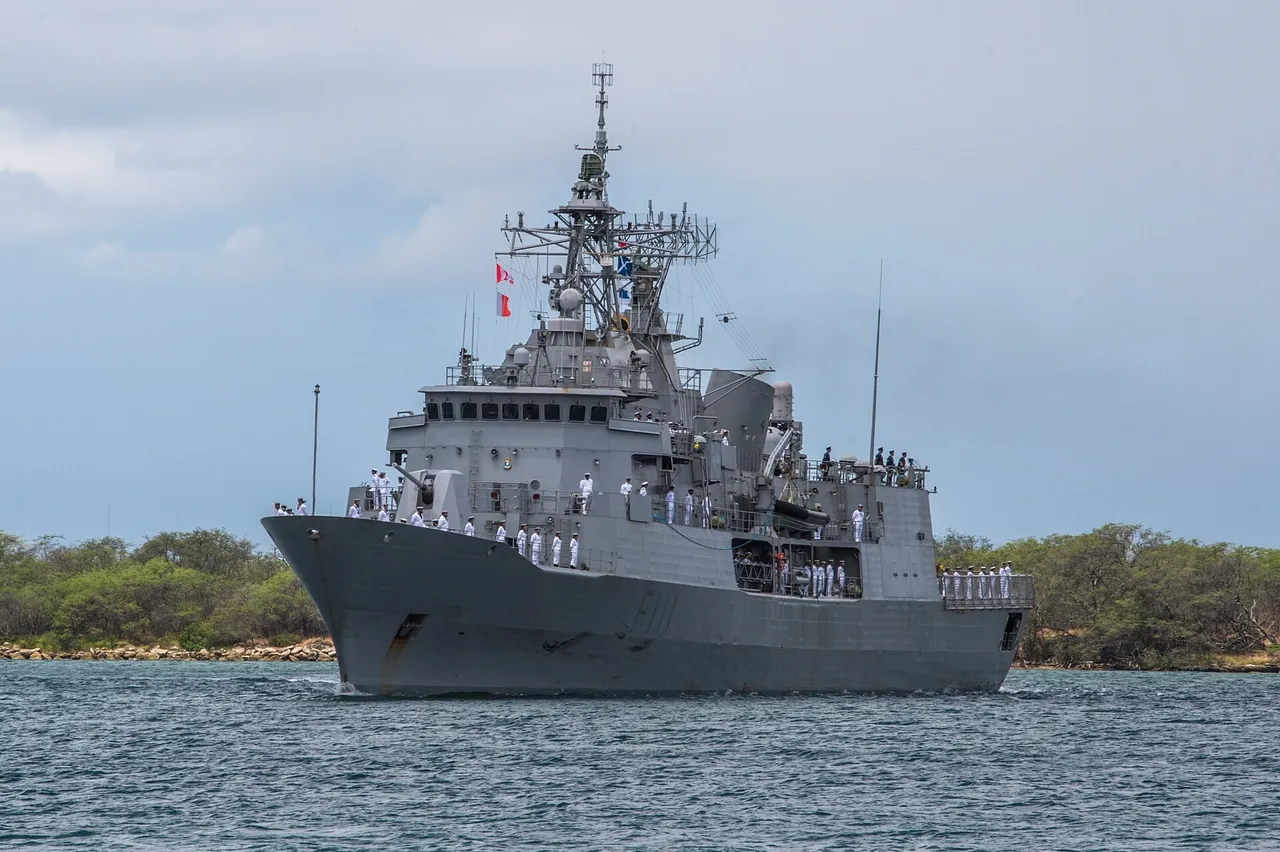
New Zealand navy task group returns home after North Korea sanctions patrols and RIMPAC
HMNZS Te Mana monitored UN sanctions on North Korea for the first time, while the oiler Aotearoa refuelled a Japanese warship under a new supply pact.
TaiwanDefence · 10h ago · 2 min read
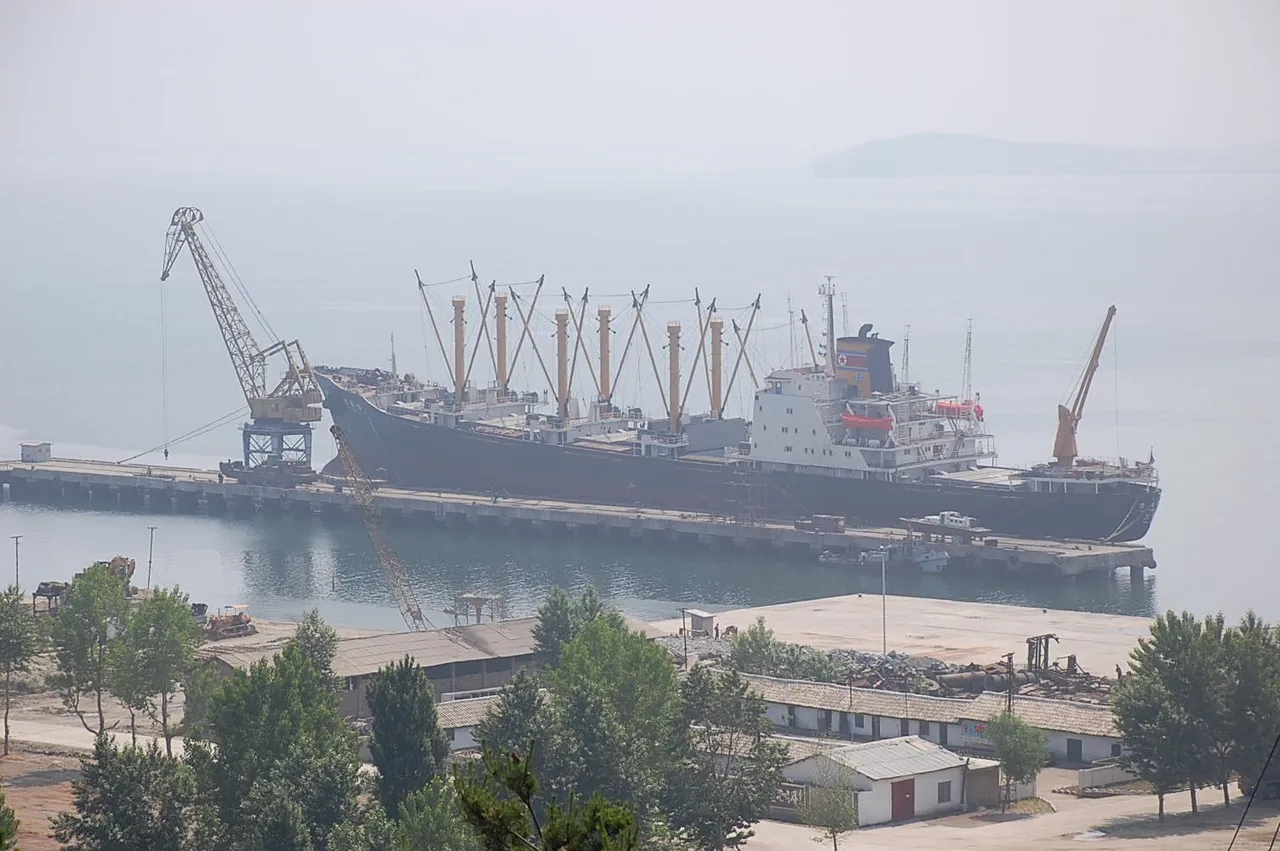
Satellite images suggest North Korea may build a 10,000-ton cruiser and a new naval base at Nampo
A South Korean imagery firm says new materials, worker housing and land reclamation at the west coast yard point to a warship bigger than the Choe Hyon destroyers.
TaiwanDefence · 14h ago · 3 min read
Discussion (0)
Comments are not currently available.