Hai Kun submarine stays docked as year-end delivery target nears and experts split over its control system
With about two and a half months left on CSBC's year-end pledge, a former navy adviser says Taiwan's prototype submarine needs a new platform management system; an analyst says debugging is enough.
TAIPEI —
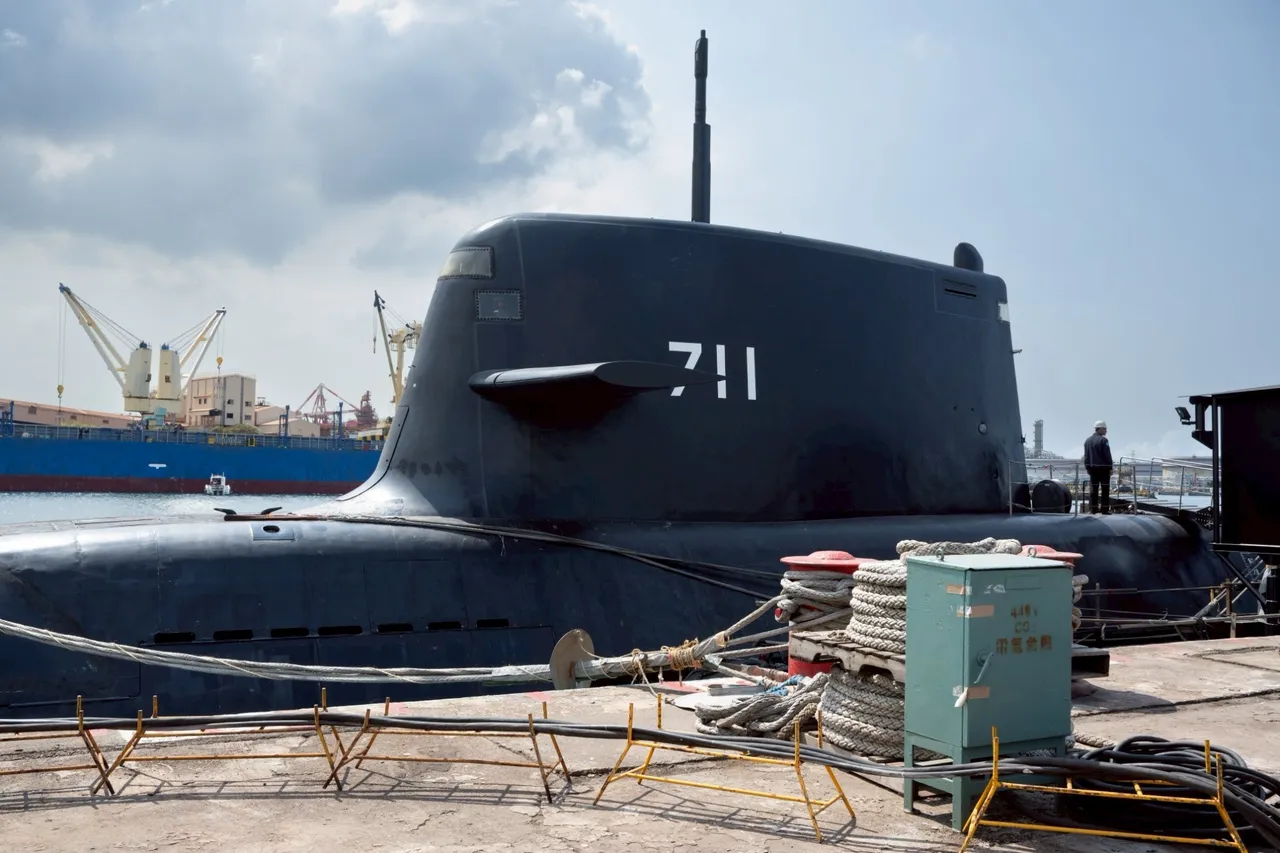
Taiwan's first domestically built submarine, the Hai Kun, has stayed alongside the pier for adjustments since its 2 October sea trial instead of heading out weekly from 5 October as had been expected, the Liberty Times reported on 9 October. That leaves state-owned shipbuilder CSBC Corp. about two and a half months to keep its promise of handing the boat to the navy before the end of the year.
According to the report, only a few items remain in the final stage of the trials, including an overnight endurance run and deep-diving tests. The submarine is running nearly a year behind its contractual delivery date, and the navy has fined CSBC tens of millions of New Taiwan dollars for the delay.
The 2 October outing was the Hai Kun's 23rd time at sea and its 17th submerged test, Mirror Media reported at the time. The boat had originally been due for delivery at the end of November 2025, and CSBC is being fined more than NT$190,000 a day under the contract, with media estimates of the running total between NT$55 million and NT$58 million. Navy chief of staff Vice Admiral Chu Hui-min told reporters late last month that the navy would not set a delivery date and that testing would follow safety and quality requirements.
Former adviser calls for a new control system
Kuo Hsi, a former navy adviser, argued on his YouTube programme on 8 October that sea trials will keep running into trouble unless the boat's integrated platform management system, or IPMS, is replaced. He said problems keep surfacing as onboard systems are linked into the IPMS, citing torpedo tubes that he said still have to be fired manually and a combat information centre that he said cannot exercise command.
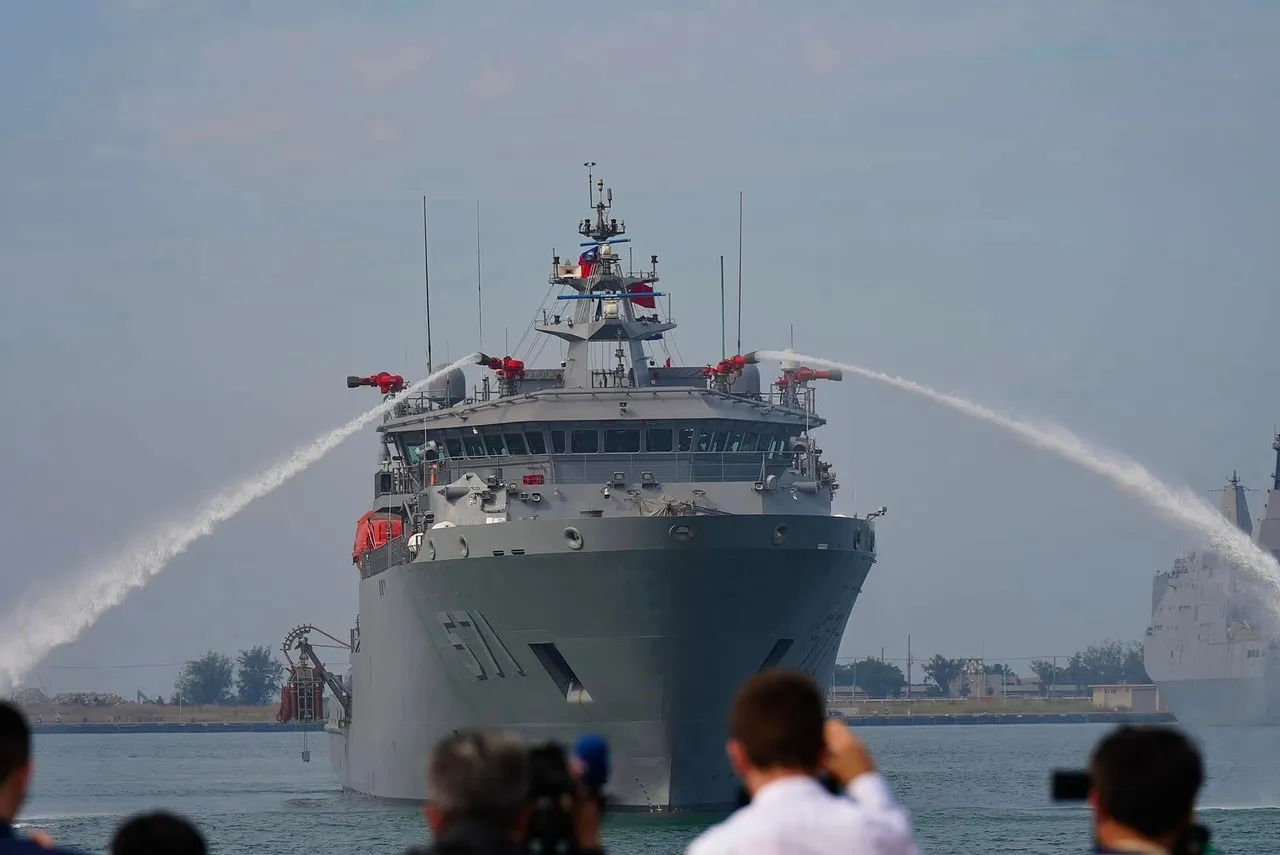
Kuo also pointed to outside doubts over test coverage, noting that only two of the six torpedo tubes have been tested with exercise torpedoes. He said a replacement system would cost only NT$10 million to NT$20 million, and that the navy rescue ship Ta Wu, which uses an IPMS from the same supplier, still has problems with it. CSBC did not respond to his comments, the Liberty Times said.
Analyst says the fix is debugging, not replacement
Chi Tung-yun, chairman of the Taiwan Security Development Association, rejected that call in a separate Liberty Times report. He said swapping the IPMS would amount to replacing the submarine's nerves and brainstem, and that the combat management system, which handles detection, tracking, threat assessment and weapons employment, is not part of the IPMS in the first place.
Chi said the IPMS runs power and propulsion management, environmental controls such as temperature and oxygen, and the boat's attitude and speed, and that it is used every time the submarine goes to sea, so a serious fault would keep it in port. With the trials at what he described as the last mile, he said the job is to strengthen system integration and fix faults rather than replace the whole system.
On the torpedo tubes, Chi said exercise firings test the chain from sonar detection through the fire-control solution to the tube, so testing a few tubes is sufficient and is common practice at shipyards. To settle the doubts, he said the remaining tubes could be checked after the US-made MK-48 heavyweight torpedoes are delivered.
Even a year-end handover would not make the Hai Kun immediately ready for operations. Chi told the Central News Agency earlier this month, as carried by Mirror Media, that post-delivery evaluation, system optimisation and tactical validation would take at least six months and possibly more than a year.
Sources
More in Navy
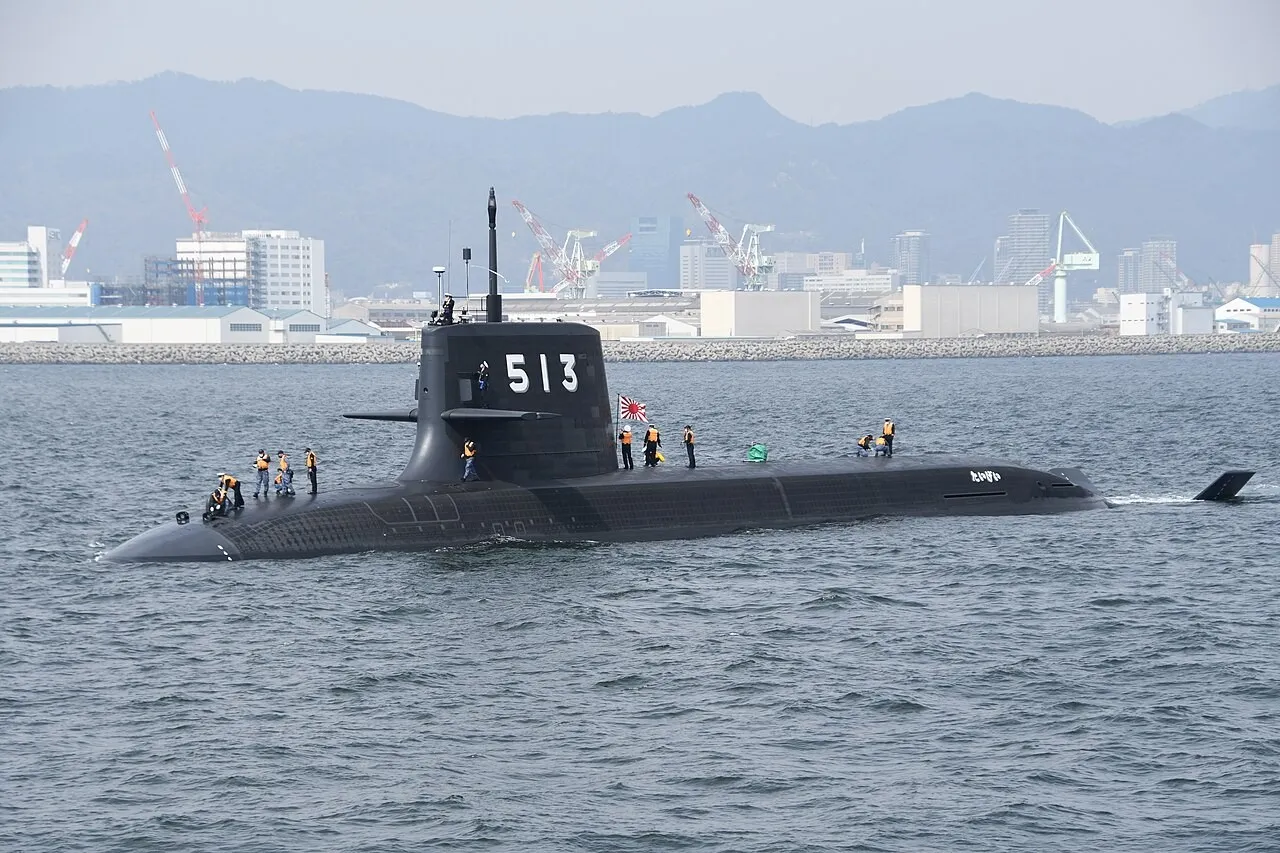
Japan launches seventh Taigei-class submarine Shogei in Kobe
Mitsubishi Heavy Industries floated the diesel-electric boat for the Maritime Self-Defense Force on 8 October as Tokyo weighs propulsion choices for a larger VLS-armed follow-on design.
TaiwanDefence · 20h ago · 2 min read
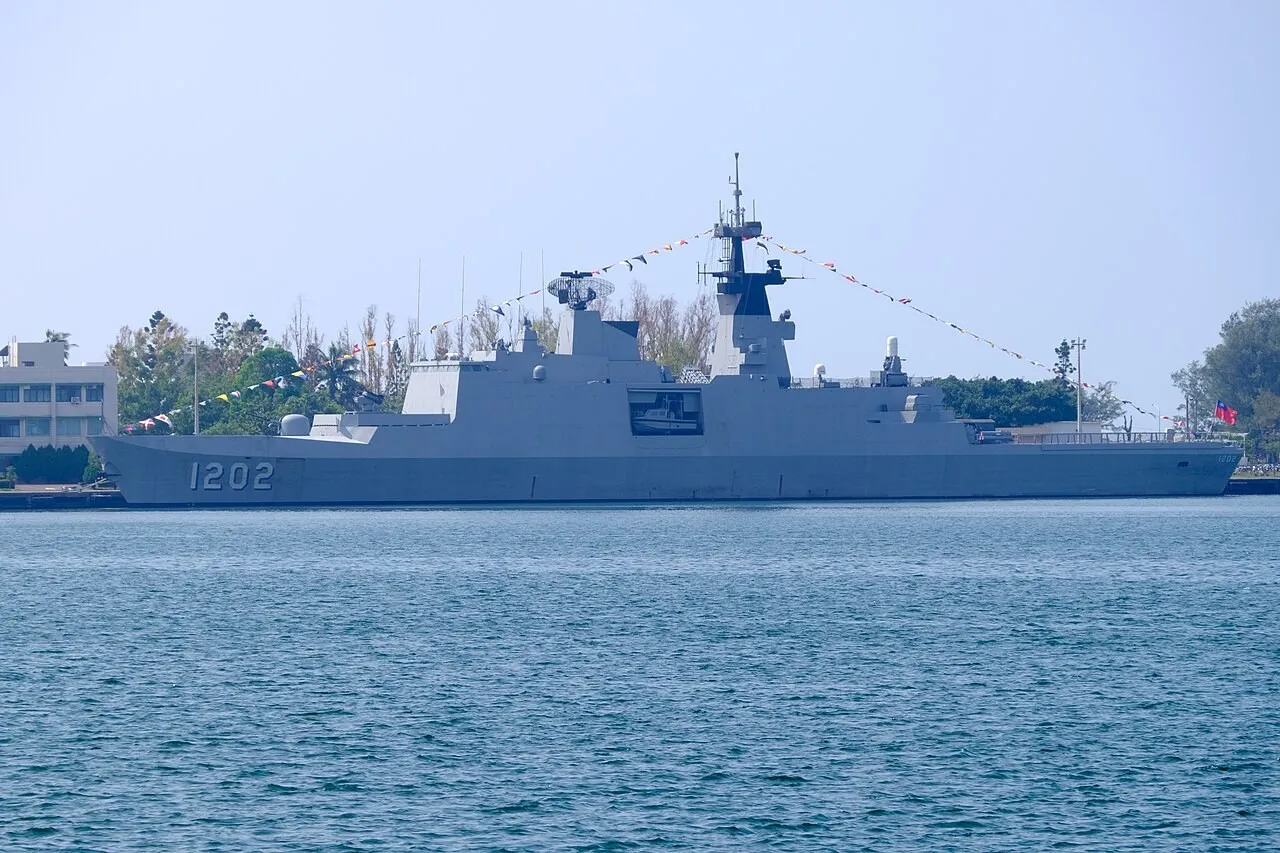
Taiwan's delayed light frigates clear engine logjam as second upgraded Kang Ding frigate nears delivery
Military sources said on 8 October that engines for the navy's two light frigate prototypes will soon be tested and shipped, and that the frigate Kang Ding should return upgraded by year-end.
TaiwanDefence · 1d ago · 3 min read
Lawmaker presses defence ministry over near-threefold cost jump for navy's next two rescue ships
Legislator Ma Wen-chun said on 7 October that each planned follow-on Dawu-class rescue ship would cost NT$10.58 billion, almost three times the NT$3.66 billion first ship.
TaiwanDefence · 1d ago · 3 min read
Discussion (0)
Comments are not currently available.