Hsiao hails Taiwan Tu Gou robot dog at Taichung dual-use AI show
Vice president tours defense pavilion as Parkson Wu and Jia Chen unveil an all-Taiwan quadruped robot pitched for patrol, transport, and special-environment roles.
TAIPEI —
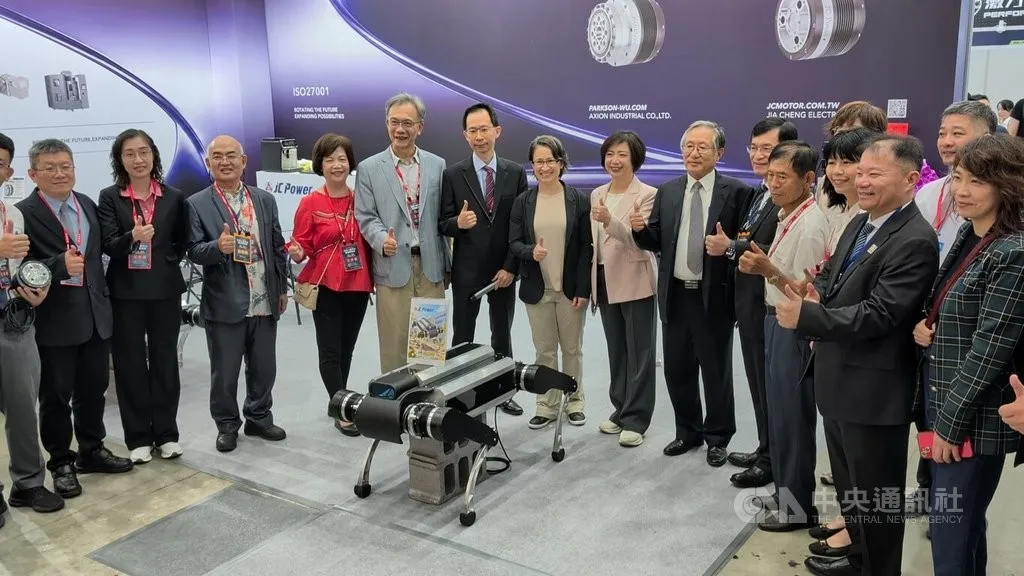
Vice President Hsiao Bi-khim visited the Taichung Smart and Artificial Intelligence Manufacturing Show on 2 October 2026 and highlighted defense and dual-use innovation while praising a fully Taiwan-developed quadruped robot branded Taiwan Tu Gou, Central News Agency and Taipei Times reported.
The four-day show at the Taichung International Exhibition Center opened on 1 October and gathered AI software integrators, uncrewed aerial systems, autonomous mobile robots, smart automation gear, and precision manufacturers, according to CNA coverage of the vice presidential tour.
Hsiao toured the defense industry pavilion alongside Democratic Progressive Party lawmaker and Taichung mayoral candidate Ho Hsin-chun, focusing on how traditional tooling and machine makers can integrate with emerging AI applications for national defense and civilian markets.
Speaking to reporters, Hsiao said the government places priority on Taichung precision manufacturing, machine tools, and AI applications, and that better integration across traditional and startup firms matters for defense, dual-use technology, and new civilian uses.
Parkson Wu Industrial and Jia Chen Electronic jointly displayed Taiwan Tu Gou, described as a high-torque planetary joint module and domestically designed four-legged robot whose key components were designed and manufactured in Taiwan.
Parkson Wu chairman Wu Ming-hsi told Taipei Times that research, component sourcing, manufacturing, and assembly for the robot dog are all Taiwanese, and that the platform can support security patrols, transport, and other tasks that need precise movement.
Jia Chen Electronic vice president Liu Jen-jui said the design uses a planetary speed reducer and an integrated engine and motor driver board that keep the system compact, with peak joint torque cited at 250 newton-meters.
Liu added that Taiwan Tu Gou can leap, carry about 30 kilograms, and navigate complex terrain, opening possible military roles such as autonomous patrols and work in special environments at a competitive price point for practical cargo tasks.
CNA reported that Hsiao listened to the companies briefing, expressed affirmation of the indigenous robot dog effort, and voiced encouragement for the team.
The visit frames Taichung as a hub where precision industry capacity can feed both export manufacturing and a growing dual-use robotics base relevant to Taiwan defense industrial policy.
Independent English and Chinese agency reporting from Taipei Times and CNA aligns on the date, venue, Hsiao dual-use emphasis, and the Taiwan Tu Gou partnership between Parkson Wu and Jia Chen.
Whether the robot dog moves from exhibition floor to procurement trials will depend on later Ministry of National Defense or Coast Guard evaluation paths that the 2 October coverage did not announce.
For industry watchers, the Taichung pavilion appearance still marks a public political endorsement of indigenous quadruped robotics as part of the same dual-use innovation agenda that also featured uncrewed aerial vehicles and small arms on the show floor.
Hsiao remarks and the manufacturers technical briefings therefore place Taiwan Tu Gou inside a broader push to keep critical joint modules, motors, and control boards onshore rather than dependent on adversarial supply chains.
Subsequent reporting will need firm trial contracts or field tests before the platform can be treated as a fielded defense system rather than a dual-use demonstrator endorsed at an industry exhibition.
This report was produced through TaiwanDefence’s automated publishing system and includes links to its supporting sources.
Sources
More in Industry
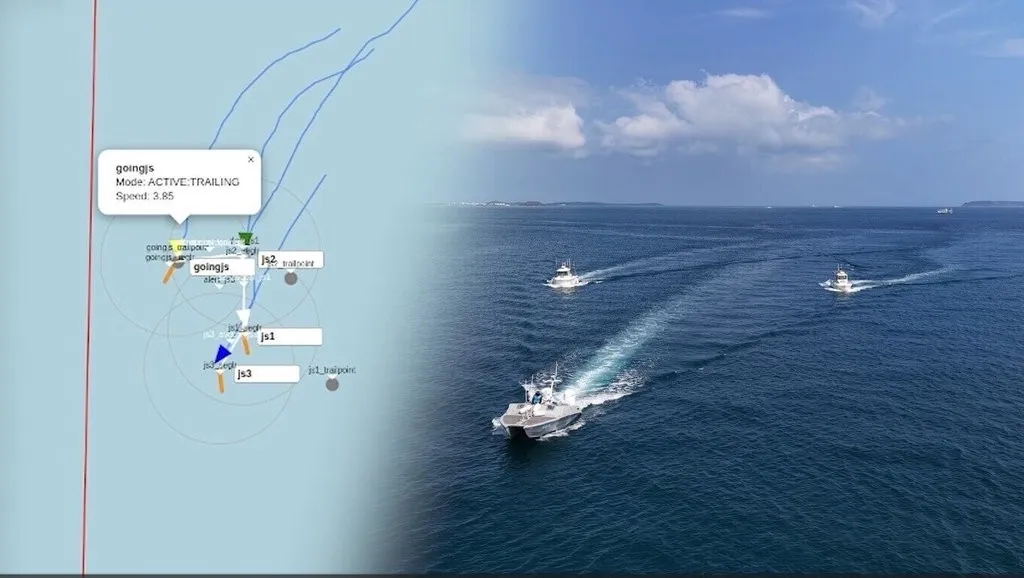
Taiwan tests AI-guided uncrewed vessels with federated learning off Kaohsiung
Ocean Affairs Council reports domestically built AI navigation and federated-learning software finished open-water USV patrol trials off Kaohsiung.
TaiwanDefence · 5h ago · 3 min read
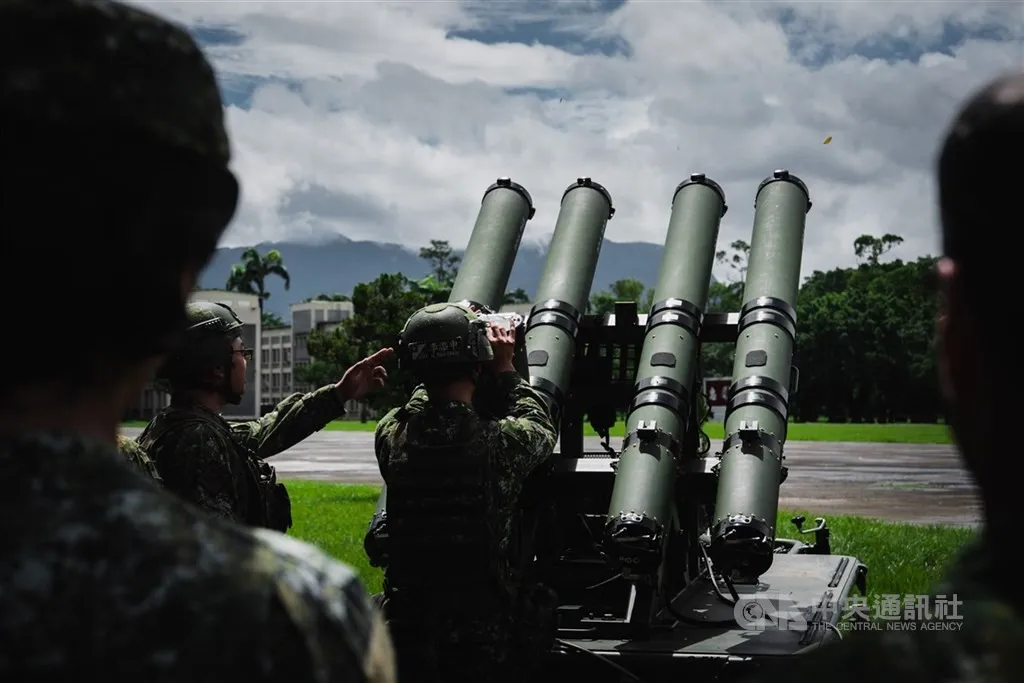
Taiwan MND preps drone buys and procurement as supplementary budget awaits vote
Defense officials say vendor briefings are done and aim for initial unmanned combat capability in 2027 once the legislature clears the NT$145.7 billion package.
TaiwanDefence · 23h ago · 3 min read
Discussion (0)
Comments are not currently available.