
Japan moves to jail unapproved land buyers near SDF bases exposed to drone attack
A draft bill shown to Japan's ruling party would require state permission for land deals within about 1km of drone-vulnerable military and coast guard sites, with up to three years in prison for violators.
TAIPEI —
Japan's government has drafted a law that would make it a crime to buy or sell land near drone-vulnerable Self-Defense Forces and coast guard sites without first getting state permission. Officials presented the bill to the ruling Liberal Democratic Party on Tuesday, 13 October 2026, ahead of its planned submission to the current Diet session. Violators would face up to three years in prison or a fine of up to 3 million yen.
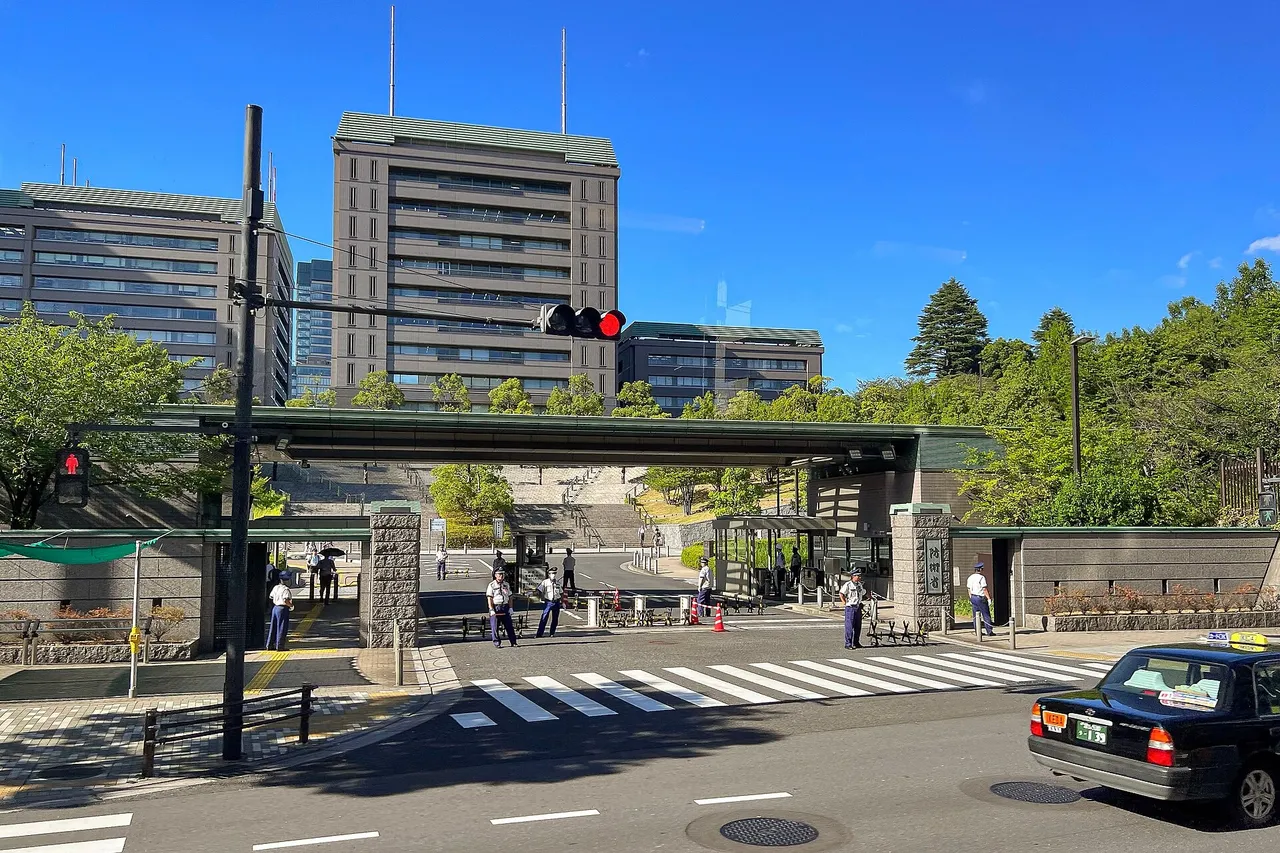
Under the draft, land within about 1,000 metres of SDF and Japan Coast Guard facilities judged vulnerable to drone attack would become a regulated area, along with uninhabited border islands. Kyodo News described the sites as facilities whose functions could be severely impaired by a drone strike. Any transfer of ownership in those areas would need prior approval from the central government, and the cabinet is expected to approve the bill on 23 October.
The permit requirement would apply to buyers of any nationality, Nikkei reported, but some applicants would be refused in principle. Kyodo said these include foreign governments and political parties, people engaged in foreign military activity, people legally obliged to cooperate with a foreign government's intelligence gathering, and companies those groups effectively control. A transfer made without a permit would be void, and land registries would not record it.
The bill also targets ownership that changes hands through corporate deals. If a company holding land in a regulated area is bought by a firm under the control of a foreign government, the state could order the land passed to a third party within a year, and could ask a court to auction it if the owner refuses, according to Nikkei.
The draft would give the government new powers to enter and inspect sites. Nikkei said Cabinet Office officials or police officers could carry out on-site checks within the 1,000-metre zones when eavesdropping or radio jamming is suspected. A separate bill shown at the same meeting would require companies that actually use security-sensitive land to report the names, addresses and nationalities of their beneficial owners to legal affairs bureaus.
The revision would also widen the list of important facilities around which land use can be surveyed to include the Imperial Palace, the parliament building, the Prime Minister's Office and government buildings used for crisis management. The current list mainly covers facilities linked to the SDF, US forces in Japan and the coast guard. Shindo Yoshitaka, who heads the party's foreign nationals policy headquarters, told the meeting that land ownership in Japan had to be something the public could feel safe about.
The change would harden a law that so far relies mostly on watching and reporting. The existing act, promulgated in June 2021 and fully in force since September 2022, lets the government designate monitored zones within roughly 1,000 metres of defence facilities and on border islands, survey how land there is used, and issue recommendations or orders if it is used to impair a facility. In the most sensitive special zones, parties to a sale only have to notify the government.
The government's most recent survey shows why foreign buyers draw attention. In fiscal 2024, across 583 monitored zones, 113,827 land parcels and buildings changed hands, and 3,498 of them, or 3.1 per cent, went to foreign nationals or foreign-linked companies. Buyers from China, including Hong Kong, accounted for 1,674 of those, followed by Taiwan with 414, South Korea with 378 and the United States with 211. Around the Defence Ministry headquarters at Ichigaya in Tokyo, 309 such acquisitions were recorded, 166 of them by buyers from China. The Cabinet Office issued no recommendations or orders that year.
The draft marks a shift from tracking who owns land near military sites to deciding in advance who may buy it, and it treats a small drone launched from a neighbouring plot as a threat serious enough to justify prison terms. Because the permit rule covers every nationality, Taiwanese buyers, the second-largest foreign group in the latest survey, would face the same approval step as everyone else, while the outright refusals are aimed at people tied to foreign governments, militaries and intelligence services.
Sources
More in Indo-Pacific
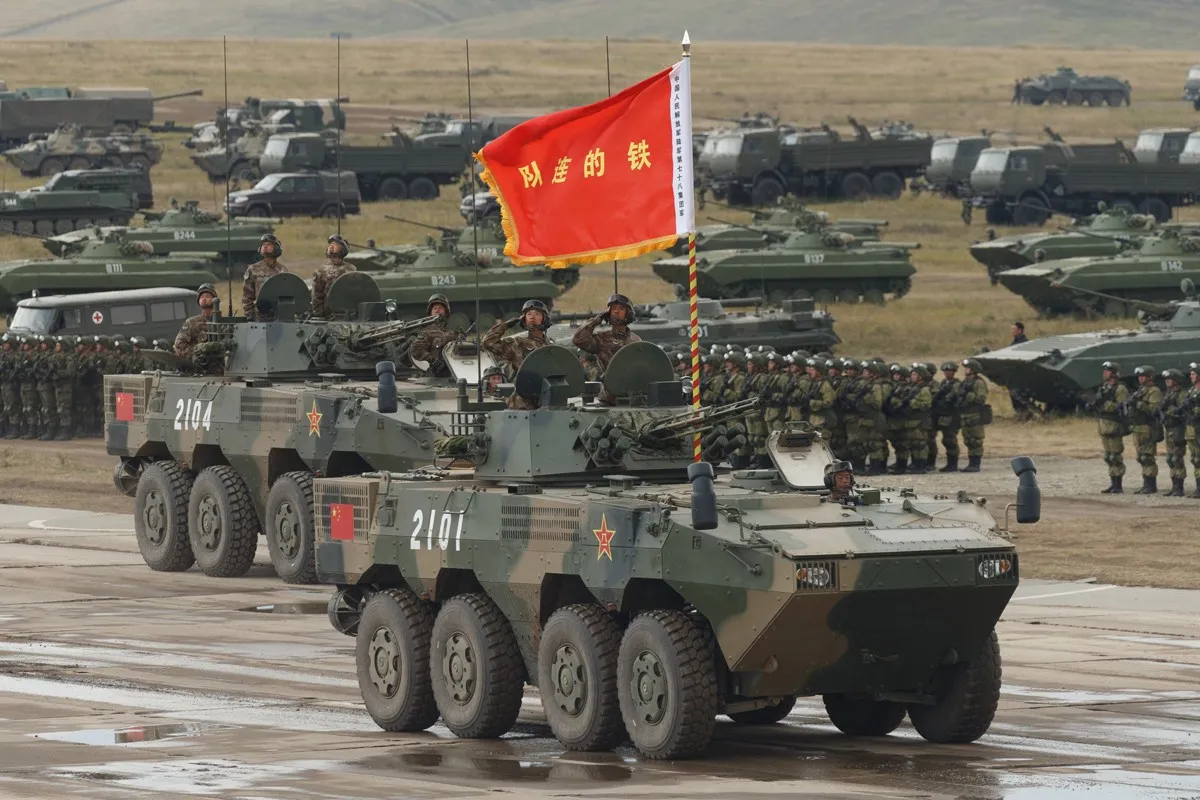
China's PLA and Pakistan's army open their first joint ground drill in Xinjiang
Karakoram 2026 brings regular army units into a China-Pakistan military partnership that already spans jets, missiles and warships, and India is watching closely.
TaiwanDefence · 2h ago · 2 min read

US Army Pacific chief says China keeps preparing for war despite Trump-Xi thaw
Gen. Ronald Clark says Patriot moves to the Iran war have not raised Pacific risk, but a US budget freeze is holding up new long-range fires.
TaiwanDefence · 5h ago · 3 min read
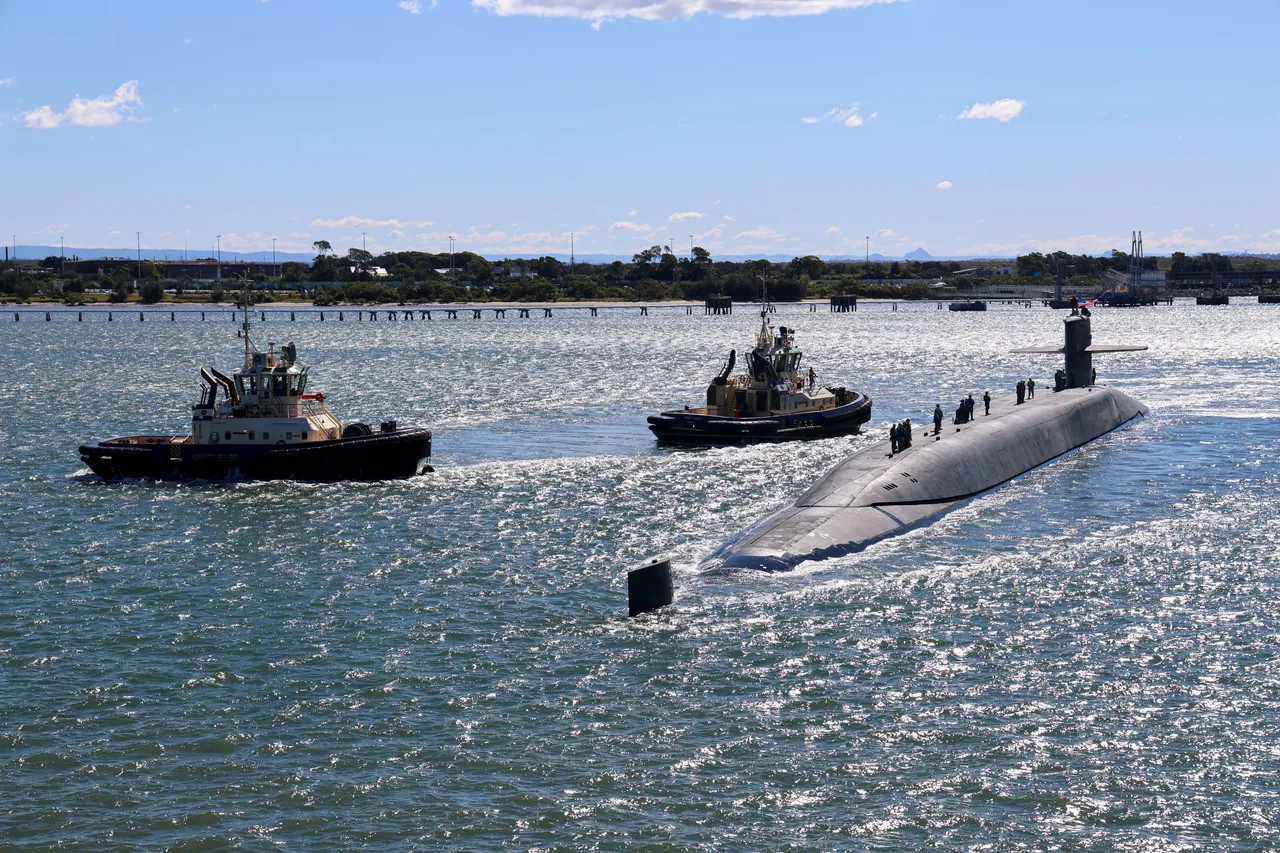
US Navy fits Ohio-class subs with DRAKE to jam drones near ports
October 2026 disclosures say Northrop Grumman's soft-kill jammer will cover surfaced SSGN port and transit windows; Taiwanese coverage flags lessons as Hai Kun nears delivery tests.
TaiwanDefence · 8h ago · 2 min read
Discussion (0)
Comments are not currently available.