
China's PLA and Pakistan's army open their first joint ground drill in Xinjiang
Karakoram 2026 brings regular army units into a China-Pakistan military partnership that already spans jets, missiles and warships, and India is watching closely.
TAIPEI —
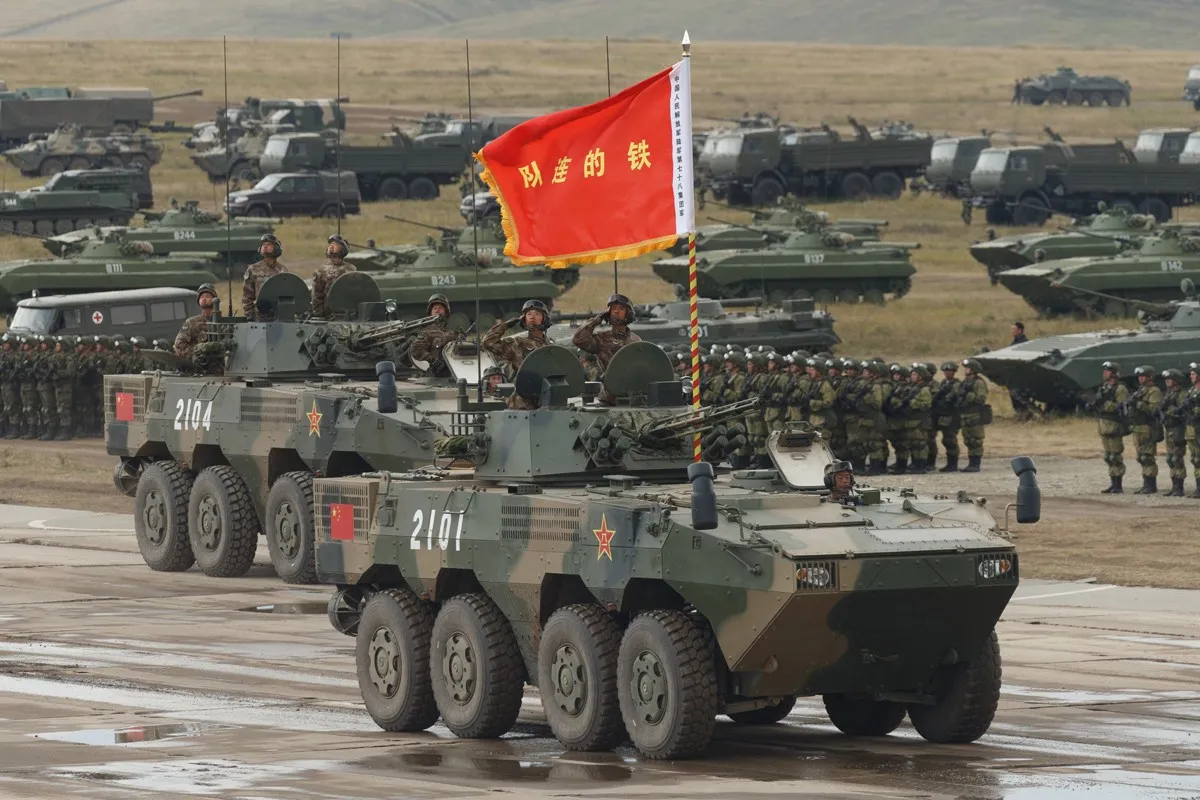
The armies of Pakistan and China began a joint training exercise called Karakoram 2026 at a training base near Korla, in China's Xinjiang region, on Wednesday, 14 October 2026, Pakistan's Dawn newspaper reported, citing the official media account of the People's Liberation Army. After the opening ceremony the two sides exchanged counter-terrorism experience and Pakistani troops were shown some Chinese weapons and equipment, the paper said.
Dawn said the Chinese defence ministry spokesperson, Senior Colonel Chen Xi, had told reporters last week that the drill would help the two sides deepen cooperation and respond jointly to terrorist threats. He said training would centre on clearing out militants at high altitude and would include drone operation, searching for and firing at targets while on the move, long-range sniping, joint command and live-force exercises.
It is the first time the two countries have held joint training between their regular ground forces, India Today reported when the drill was announced. Their militaries already run the Sea Guardians naval exercises and the Shaheen air exercises, and official reports said Karakoram 2026 would also cover dealing with drone attacks. A Chinese commentator told state media the step widened cooperation from specialised units to ordinary army formations, according to the same report.
The drill is also the first joint army training between the two since India's Operation Sindoor strikes on Pakistan in May 2025, India Today noted. It said China acknowledged in May this year that it had given technical support to Pakistan during that conflict, has recently supplied HQ-17AE short-range air defence systems, and accounts for more than 80 per cent of Pakistan's arms imports in recent years.
Karakoram 2026 follows other ground contacts along the shared mountain border. Dawn reported that the two armies held a joint patrol in September at the Mantika Pass, at roughly 4,700 metres near Khunjerab in Pakistan's Hunza area, and that both governments reaffirmed closer military cooperation and strategic coordination in May.
In New Delhi, India Today said the exercise adds pressure on India's two-front security planning, because Xinjiang borders Pakistan-administered territory and lies near the China-Pakistan Economic Corridor. It said the drills coincided with a fresh dispute over Ladakh, after India formally named 28 places there on 2 October and China's foreign ministry rejected the move on 13 October, drawing an Indian rebuttal the same day.
The same analysis urged caution. It said there was no public evidence that the drill was designed to test Chinese weapons on Pakistan's behalf or to plan joint offensive action against India, and argued that Indian planners should watch for concrete indicators instead: more sophisticated joint command, better use of drones, visible gains in logistics, and any new agreements on equipment, maintenance or training.
For observers in Taipei and across the region, the drill shows the PLA steadily widening the circle of foreign forces that train alongside it and on its equipment. Pakistan is the clearest case: a partner that already depends on Chinese platforms is now rehearsing ground operations with PLA units, which tends to lock in reliance on Chinese spare parts, upgrades and training, a dependence India Today also highlighted.
Sources
More in Indo-Pacific
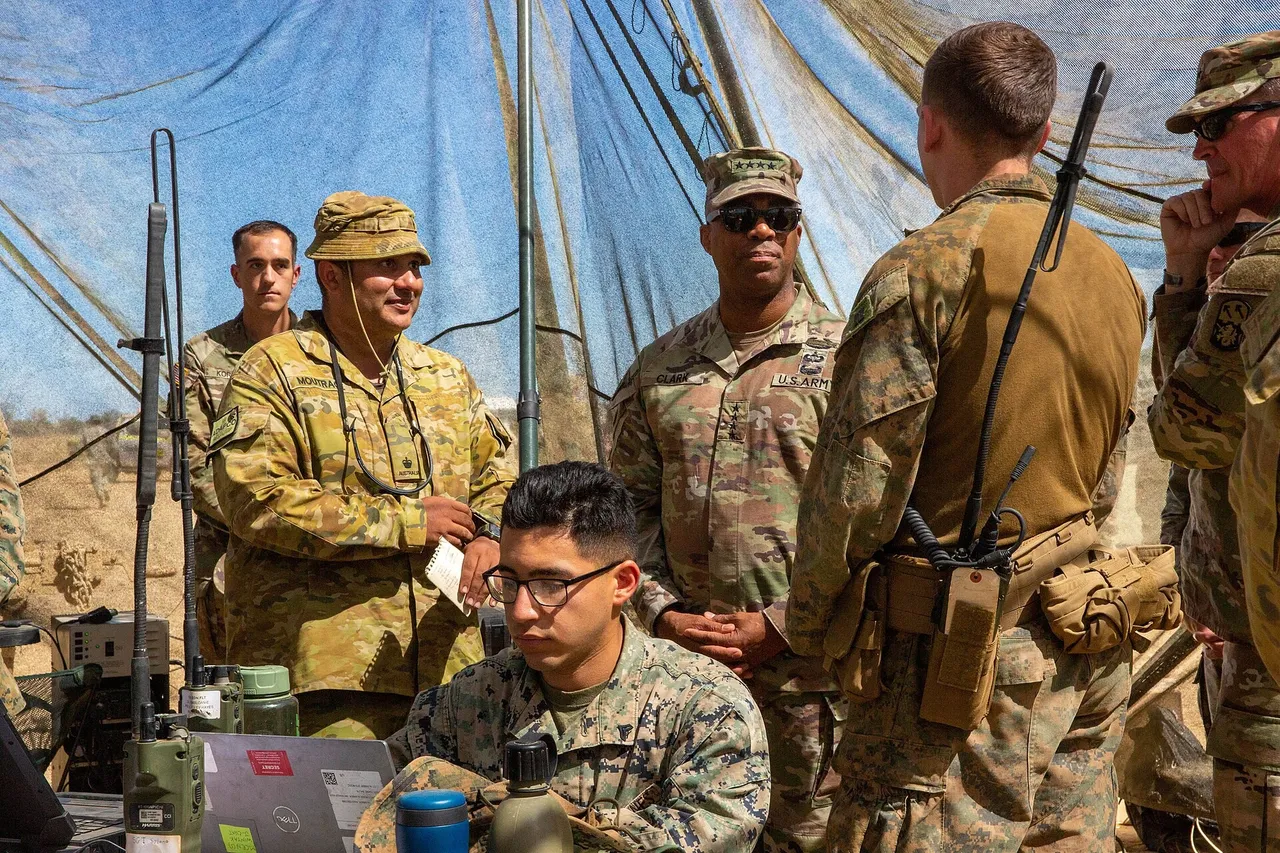
US Army Pacific chief says China keeps preparing for war despite Trump-Xi thaw
Gen. Ronald Clark says Patriot moves to the Iran war have not raised Pacific risk, but a US budget freeze is holding up new long-range fires.
TaiwanDefence · 3h ago · 3 min read
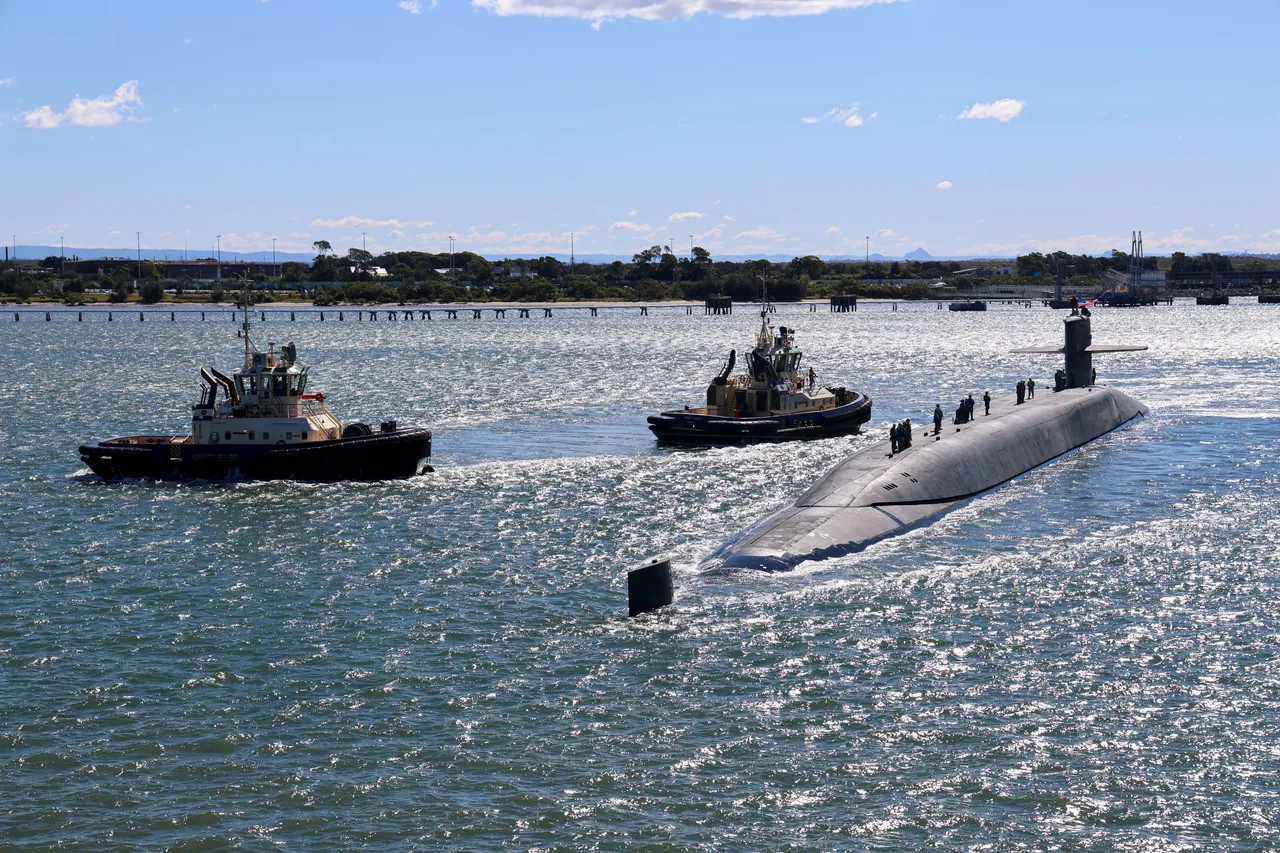
US Navy fits Ohio-class subs with DRAKE to jam drones near ports
October 2026 disclosures say Northrop Grumman's soft-kill jammer will cover surfaced SSGN port and transit windows; Taiwanese coverage flags lessons as Hai Kun nears delivery tests.
TaiwanDefence · 6h ago · 2 min read
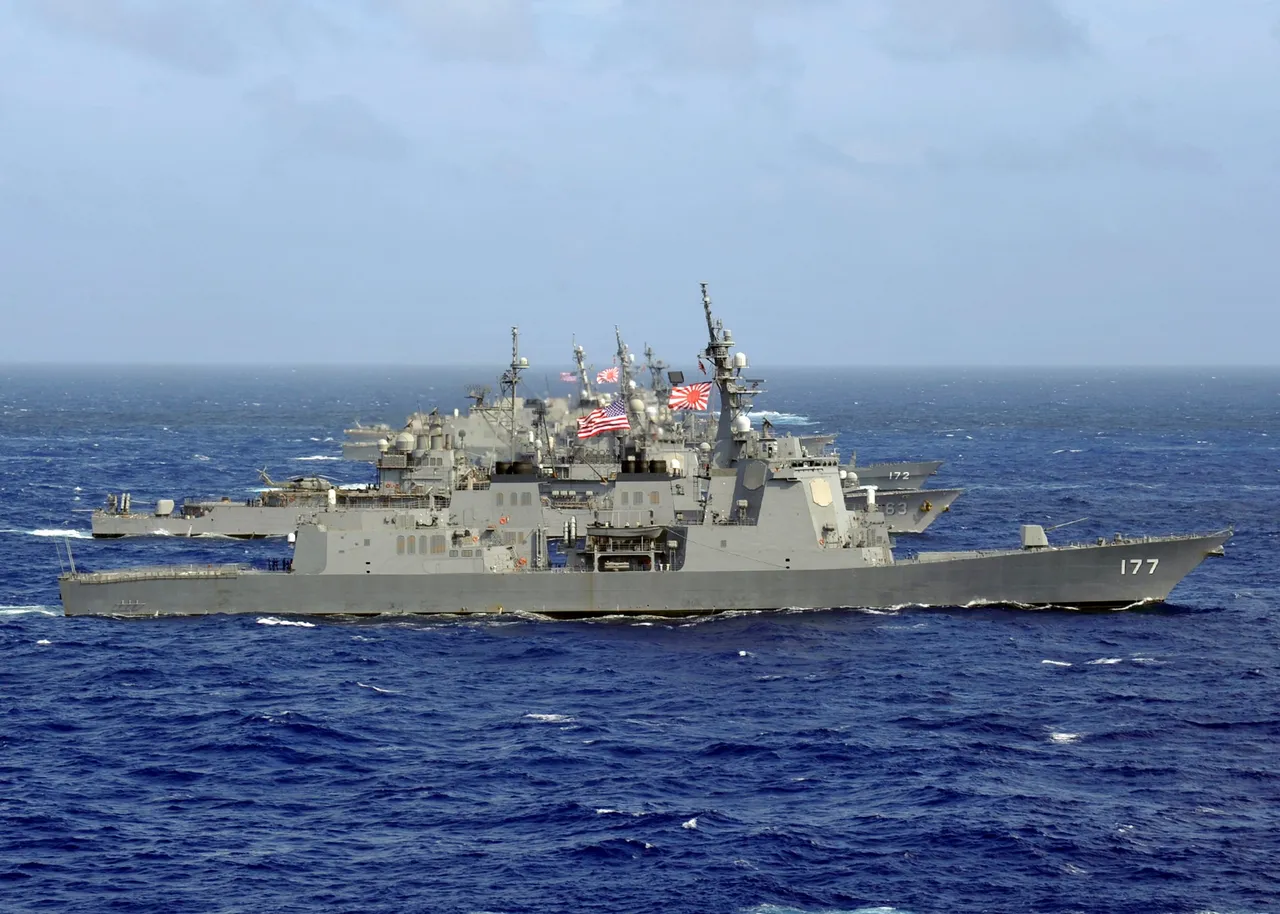
Retired Japanese admiral warns China is using a ripe-persimmon strategy
Former MSDF chief Tomohisa Takei told a Taipei sea-lane conference on 14 October 2026 that Beijing is shortening grey-zone timelines and urged Japan, Taiwan and the Philippines to share coast-guard awareness.
TaiwanDefence · 9h ago · 2 min read
Discussion (0)
Comments are not currently available.