
Japan will station its Type 25 hypersonic glide missiles in Hokkaido for the first time in December
Japan's defence ministry says the long-range Type 25 will reach Camp Kamifurano next month, making it the weapon's second home after Camp Fuji.

TAIPEI —
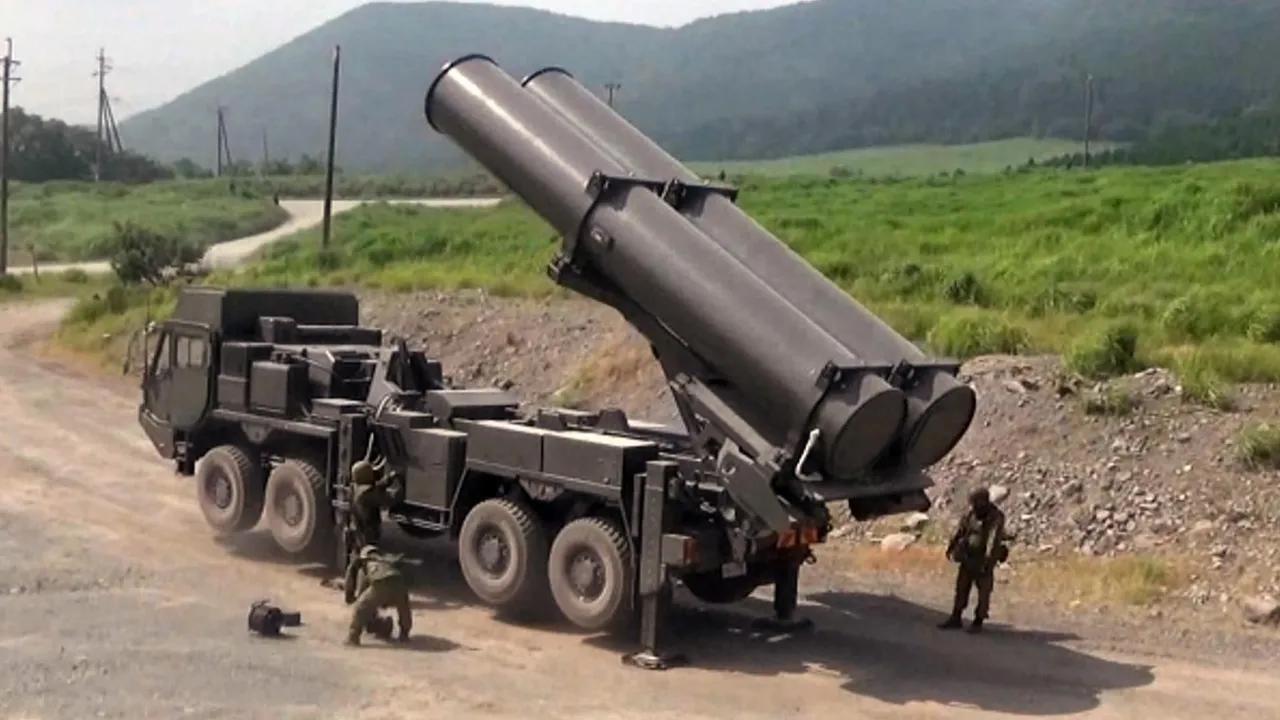
Japan's Ground Self-Defense Force (GSDF) expects to place its Type 25 Hyper Velocity Gliding Projectile, a long-range missile it has begun fielding this year, with a unit at Camp Kamifurano in Hokkaido in December, the Ministry of Defense said on 25 November. The ministry had said last year that the weapon would go to the camp at some point in fiscal 2026, and it added that the exact schedule was still being worked out.
It will be the first deployment of the missile, or of any of Japan's new long-range missiles, in Hokkaido. The Hokkaido Shimbun reported that launchers and related equipment could be moved into the garrison in Kamifurano, a town in the island's Kamikawa region, as early as the start of December.
Second Type 25 site after Camp Fuji
The GSDF first deployed the Type 25 in March at Camp Fuji in Shizuoka prefecture, when Japan began fielding long-range missiles that the government counts towards its counterstrike capability, the official term for the ability to hit enemy bases. A third site, Camp Ebino in Miyazaki prefecture, is due to receive the missile before the end of fiscal 2026 in March 2027. The GSDF also operates a separate long-range weapon, the Type 25 surface-to-ship missile, at Camp Kengun in Kumamoto.
According to the Nikkei, spreading the launchers across several camps is meant to ensure that missiles can still be fired from another site if one comes under attack.
Defence Security Asia, citing the Hokkaido Defense Bureau, reported that a new unit will be formed at Kamifurano to operate the system, adding about 90 personnel to the camp. At Camp Fuji the weapon went first to a field artillery training unit. The bureau has declined to disclose how many missiles will be stored in Hokkaido or where, saying such details could reveal Japanese capabilities.
What the weapon does
The Type 25 is a Japanese-developed stand-off missile meant to strike enemy forces that land on remote islands while the launchers stay out of reach of the enemy's own weapons. A rocket booster lifts a manoeuvrable glide vehicle, which then flies towards its target at very high speed and at a lower altitude than a ballistic missile, making it hard to intercept. Its current range is several hundred kilometres, and the ministry plans later versions that could reach thousands of kilometres.
Hokkaido faces Russia across the Sea of Okhotsk, near the southern Kuril Islands that Japan claims, so the deployment carries weight for Moscow. Tokyo, however, describes the weapon's role in nationwide island-defence terms and has not assigned the Hokkaido unit any particular adversary, Defence Security Asia noted. The bureau has also said the mobile launchers can leave their home camp when a mission requires.
The deployment is part of Japan's build-up of long-range strike forces under its 2022 National Security Strategy, which introduced counterstrike options with pressure around the southwestern islands and North Korea's missile threat in mind. The Hokkaido Defense Bureau cited the local training areas and existing maintenance facilities among its reasons for choosing Kamifurano, and said in August that no new construction was expected for the deployment at that stage.
Sources
More in Indo-Pacific
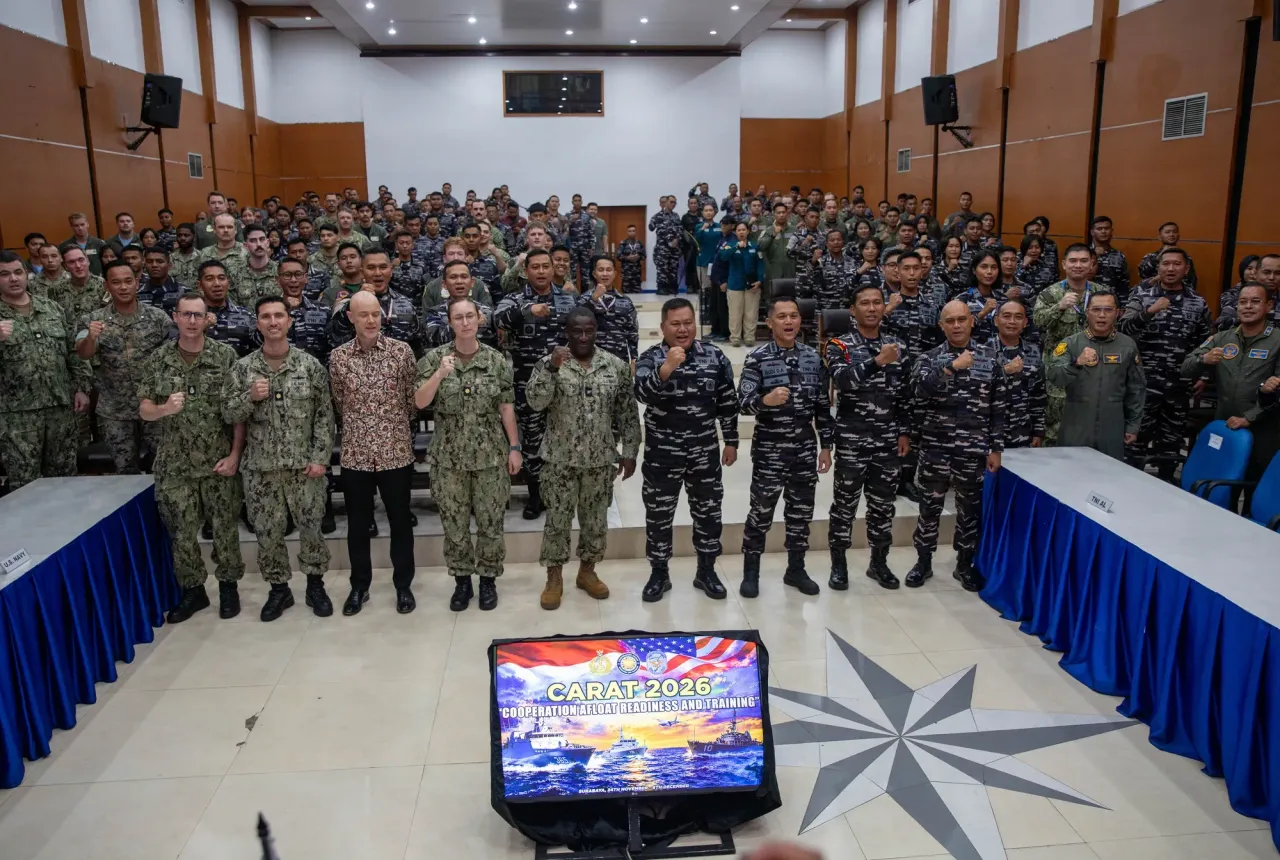
Indonesia and US navies open CARAT 2026 with mine-hunting, submarine-hunting and disaster-relief drills
Five Indonesian warships, the US mine countermeasures ship USS Warrior and a P-8A Poseidon will train off East Java until 6 December in the 32nd CARAT Indonesia.
TaiwanDefence · 14h ago · 2 min read
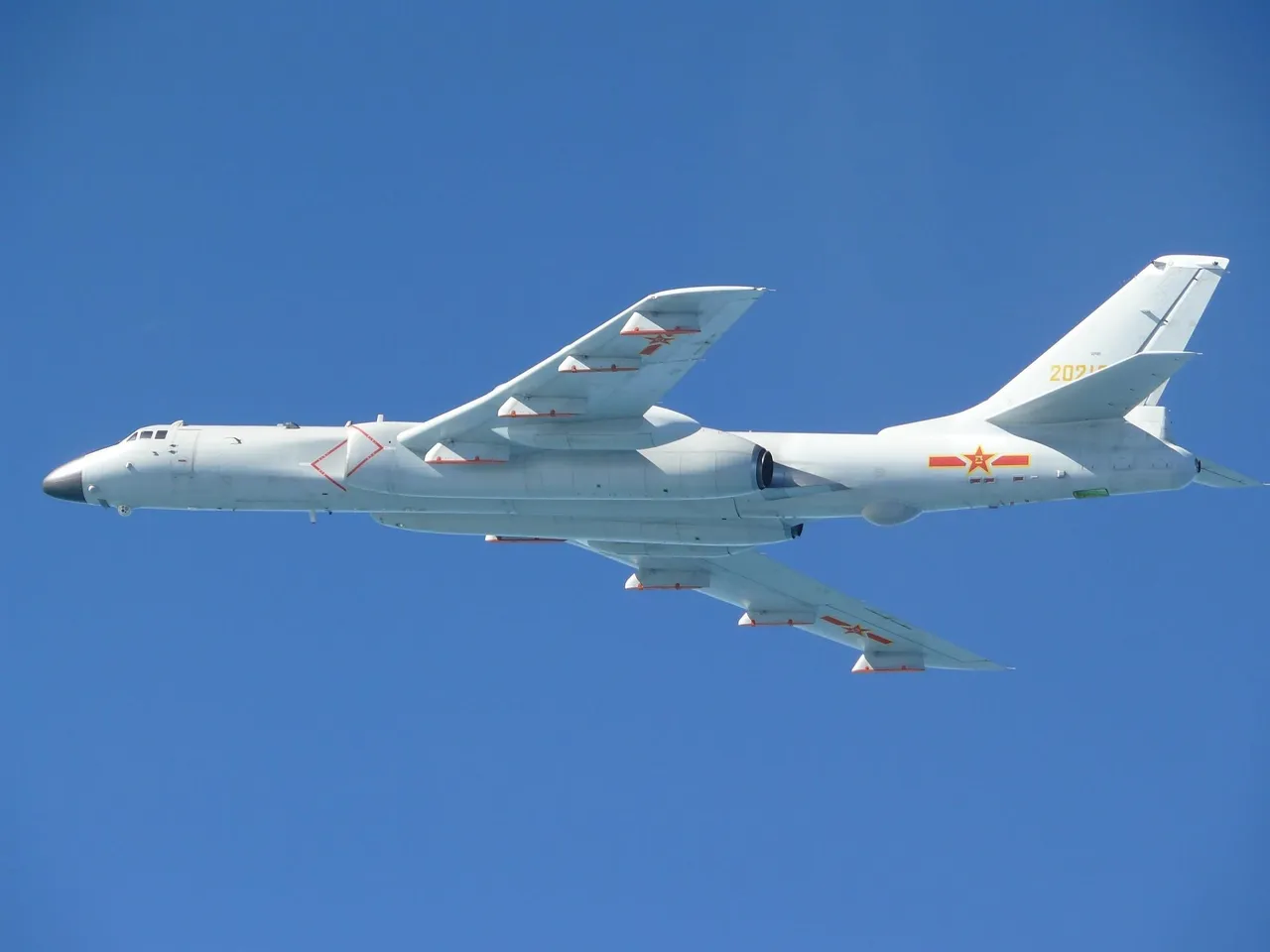
Chinese H-6 bomber flew within 45 nautical miles of Luzon on a normal patrol, Philippine military says
The armed forces' West Philippine Sea spokesman called the bomber's flight between Scarborough Shoal and Luzon a normal patrol and a show of force by the PLA.
TaiwanDefence · 20h ago · 2 min read
Solomon Islands signs treaty with Australia barring foreign military bases as China pact lapses
Matthew Wale and Anthony Albanese signed the treaty in Canberra, naming Australia the primary security partner and keeping sensitive infrastructure free from militarisation.
TaiwanDefence · 1d ago · 3 min read
Discussion (0)
Comments are not currently available.