
Japan's defence research agency shows home-built robot ground vehicles of up to 10 tonnes
A panel at ATLA's technology symposium showed three uncrewed ground vehicle classes, from under one tonne to 10 tonnes, as Tokyo moves beyond imported robots.

TAIPEI —
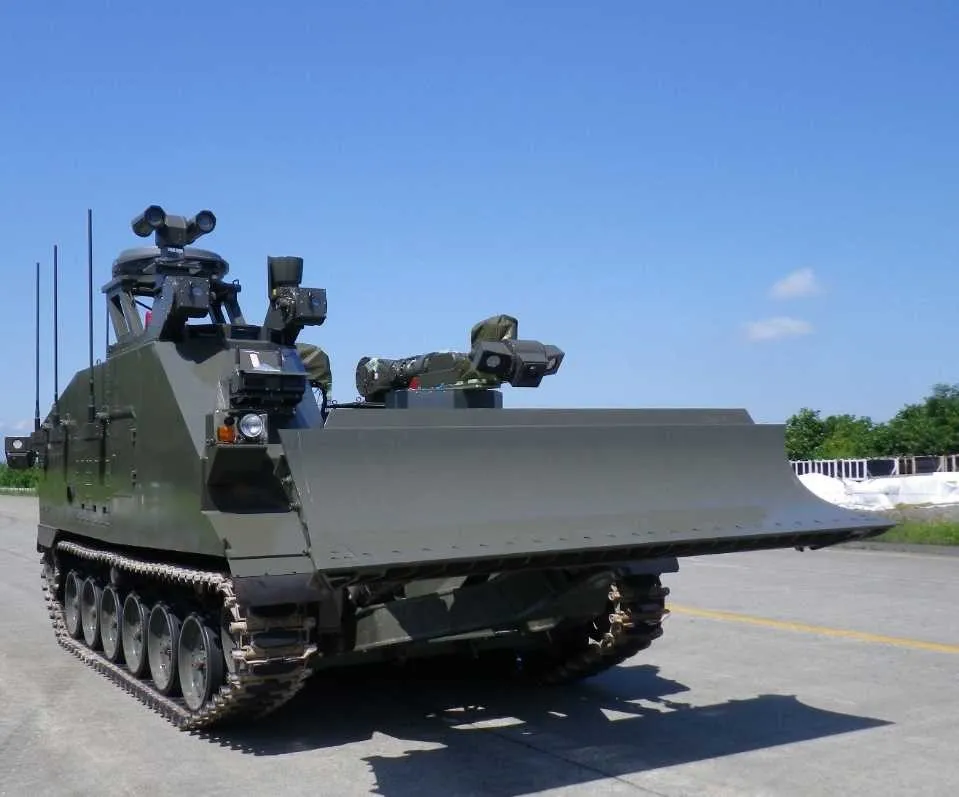
Japan's defence procurement and research agency has shown that it is working on its own family of uncrewed ground vehicles, ranging from machines of under one tonne to vehicles of five to 10 tonnes. A display panel from the Ground Systems Research Center of the Acquisition, Technology and Logistics Agency, known as ATLA, set out the work at the agency's technology symposium in Tokyo this week, The Defence Blog and Defense Express reported.
According to The Defence Blog, the panel said the centre is researching vehicles with different kinds of drive, chosen with their operational roles and off-road mobility in mind. It described the machines shown as examples used in the research and said some were still being built. Other text on the panel referred to self-position estimation, coordination between uncrewed and crewed vehicles, and the use of civilian technology.
The smallest class, under one tonne, is a tracked platform with four separate track units and an open cargo frame. The middle class, of one to two tonnes, is a wheeled utility vehicle with a flat bed, roll bars and sensors around the body. The heaviest, of five to 10 tonnes, is a low tracked vehicle with a flat deck and what appears to be a sensor turret on top. Japan has not said what roles each class is meant to fill.
The display was first shared on social media by Rikuno Yuuno, a former Ground Self-Defense Force soldier who now comments on military affairs. He said Japan has long worked on such vehicles but has mostly bought foreign systems or adapted civilian ones, and that the new research appears to mark the start of prototypes built around specific military requirements.
The symposium ran on 10 and 11 November at a hotel in the Ichigaya district of Tokyo. Its published programme listed a presentation on 11 November by a researcher from the centre's combat vehicle systems section on research into future defence uncrewed vehicle systems and the use of civilian technology, with the same topic in the exhibition hall.
Defence Minister Shinjiro Koizumi opened the event by stressing closer work with universities, national research bodies and start-ups so that Japan can respond to new ways of fighting built around drones and artificial intelligence, the aviation and defence daily Kokushin reported. The ministry is also considering a new body to promote public-private cooperation and a reorganisation of ATLA's research institutes, the paper said.
Defense Express, a Ukrainian defence outlet, offered its own assessment of the designs. It judged that the smallest vehicle resembles the ground robots now common in the war in Ukraine and could carry more than 500 kilogrammes, questioned whether the wheeled model is suited to rough terrain, and said the heaviest class could in principle carry heavy weapons, evacuate casualties or tow damaged vehicles. Those are the outlet's estimates, not figures from ATLA.
The research follows earlier procurement steps. In June ATLA asked companies for information on buying medium-sized general-purpose ground robots in an attack version for close-combat units and a mine-clearing version for engineers, intended to help sustain operations against landing forces, Asian Military Review reported. The Ground Self-Defense Force said in October 2025 that it was evaluating two foreign small robots, Milrem's THeMIS and Rheinmetall's Mission Master SP.
Japan's defence ministry sees uncrewed ground systems as useful for reconnaissance, combat, transport and protection if hostile forces land on its remote southwestern islands, the chain that runs towards Taiwan, according to Asian Military Review's reading of the ministry's budget papers.
Sources
More in Indo-Pacific
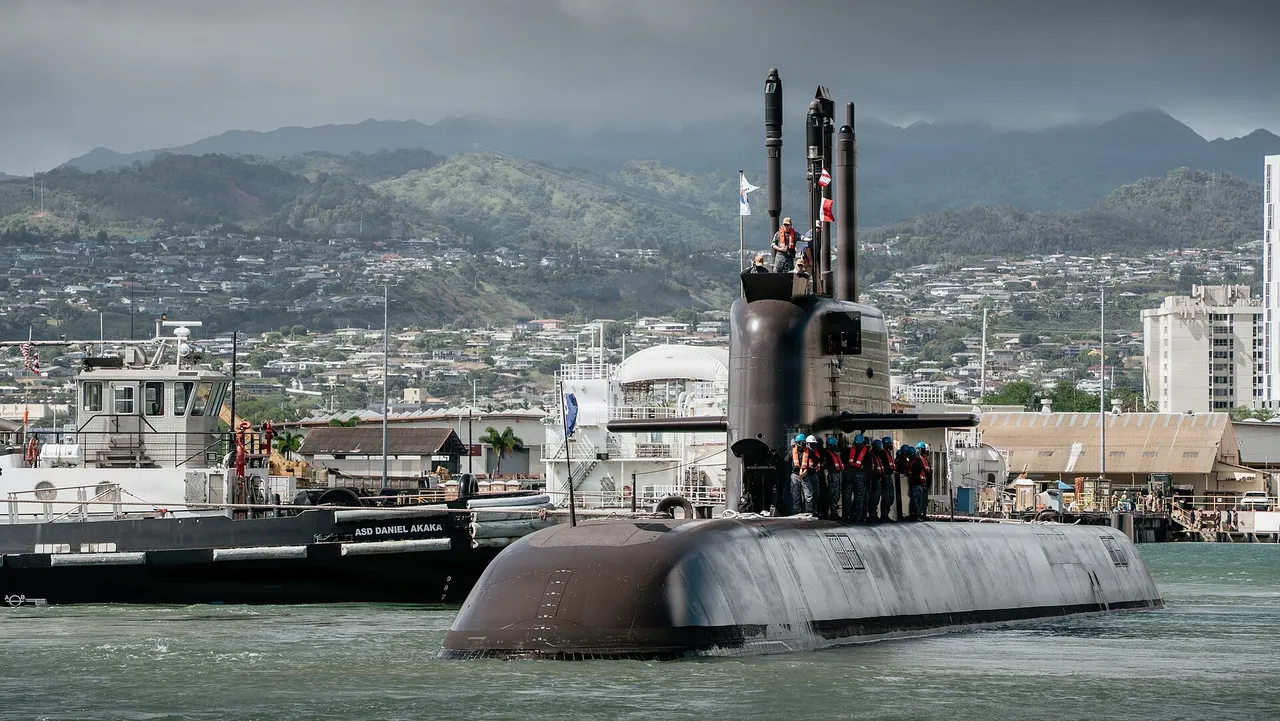
North Korea threatens action over nuclear submarine plans in South Korea, Japan and Australia
A senior party official said Pyongyang will answer a US-led naval build-up with shows of force, naming Seoul's Jangbogo-N and the AUKUS submarine plans.
TaiwanDefence · 6m ago · 2 min read
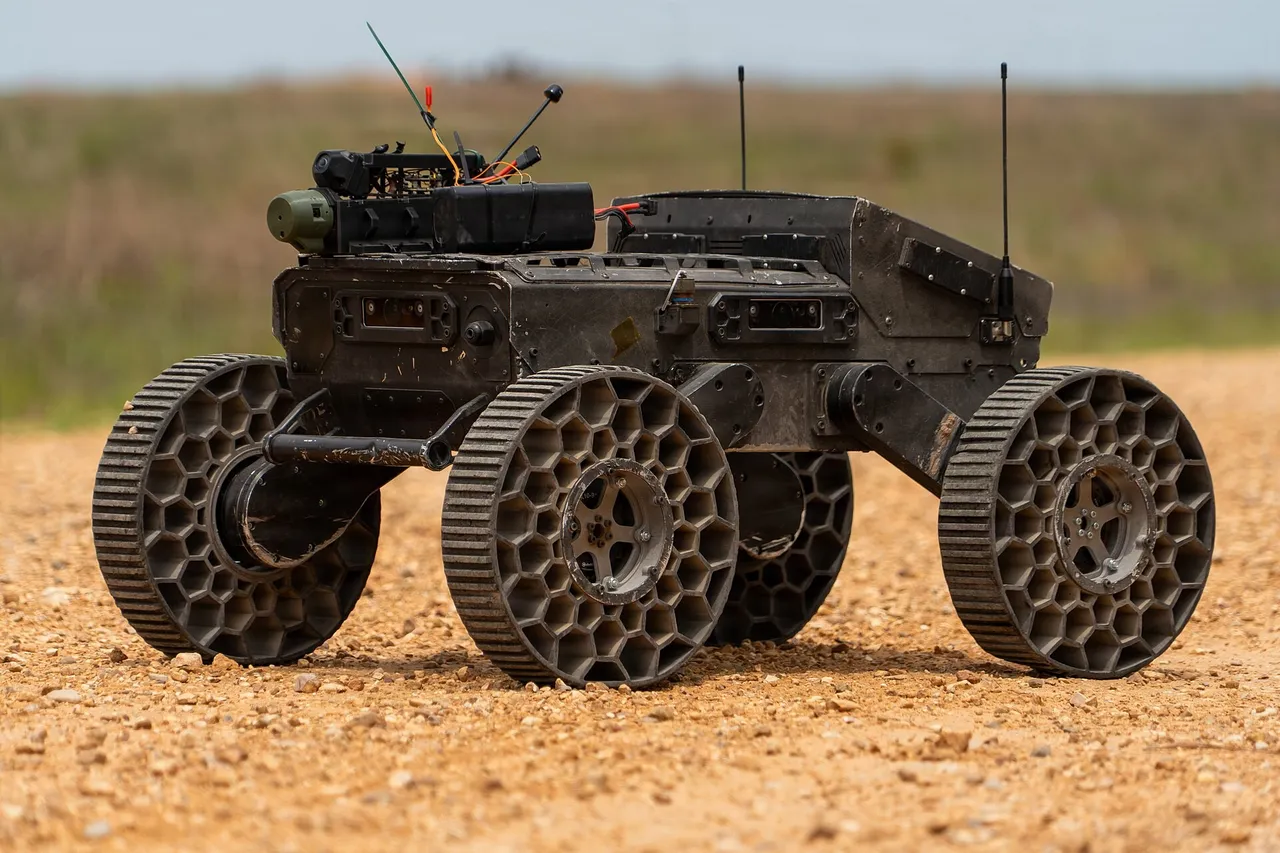
US Army soldiers put robot supply vehicles through jungle and jamming lanes in Hawaii
Six firms are competing in a US Army Pacific trial of uncrewed ground vehicles for resupply and casualty evacuation on Oahu, with winners due on 13 November.
TaiwanDefence · 1h ago · 3 min read
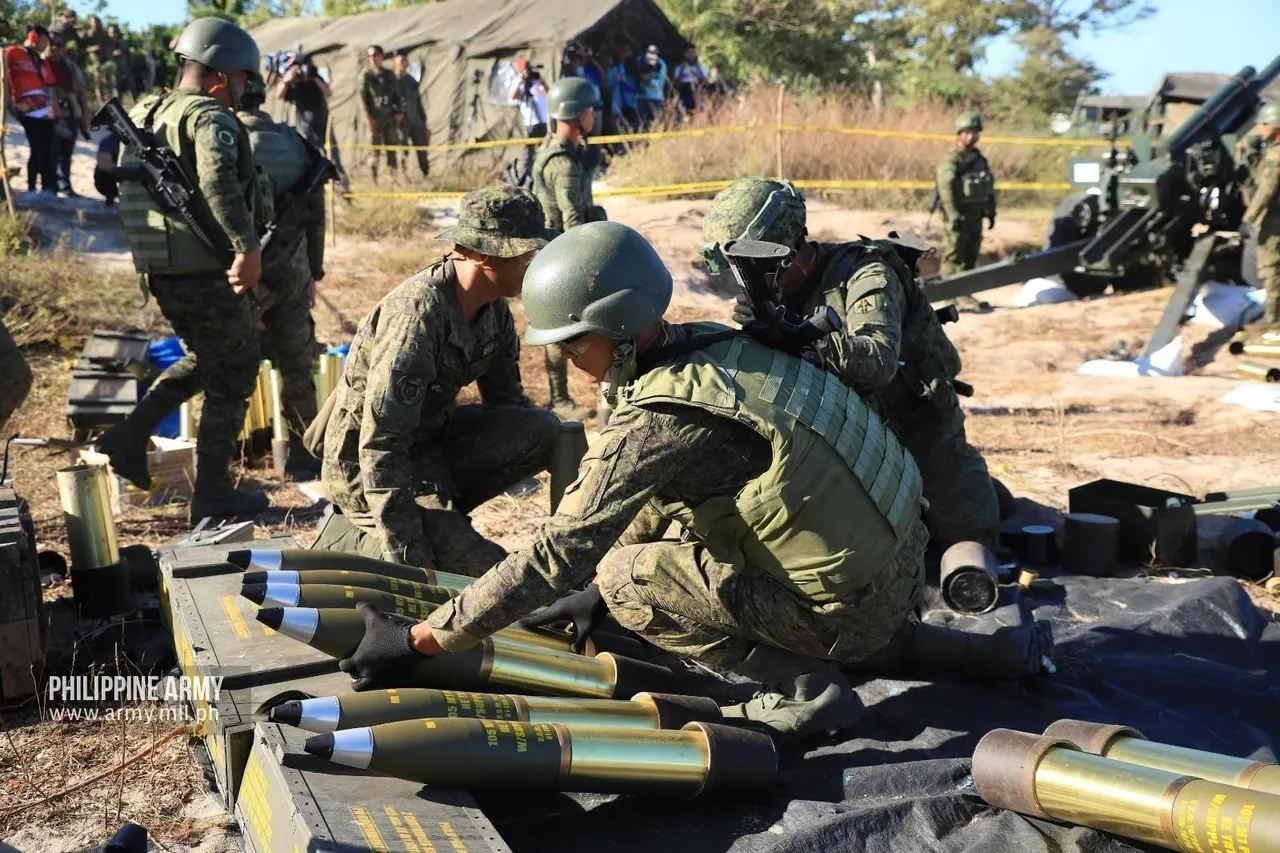
Philippine military to move shore-based anti-ship missiles to Bolinao for its DAGIT-PA joint exercise
An AFP spokesperson says the missiles will back a joint maritime strike drill during the 17 to 27 November exercise across Northern Luzon and two other commands.
TaiwanDefence · 2h ago · 2 min read
Discussion (0)
Comments are not currently available.