
Koizumi weighs crossing the lines between Japan's three SDF branches as recruits run short
Japan's defence minister says population decline makes staffing hard, then tells academy cadets that people, not only submarines, underpin defence.
TAIPEI —
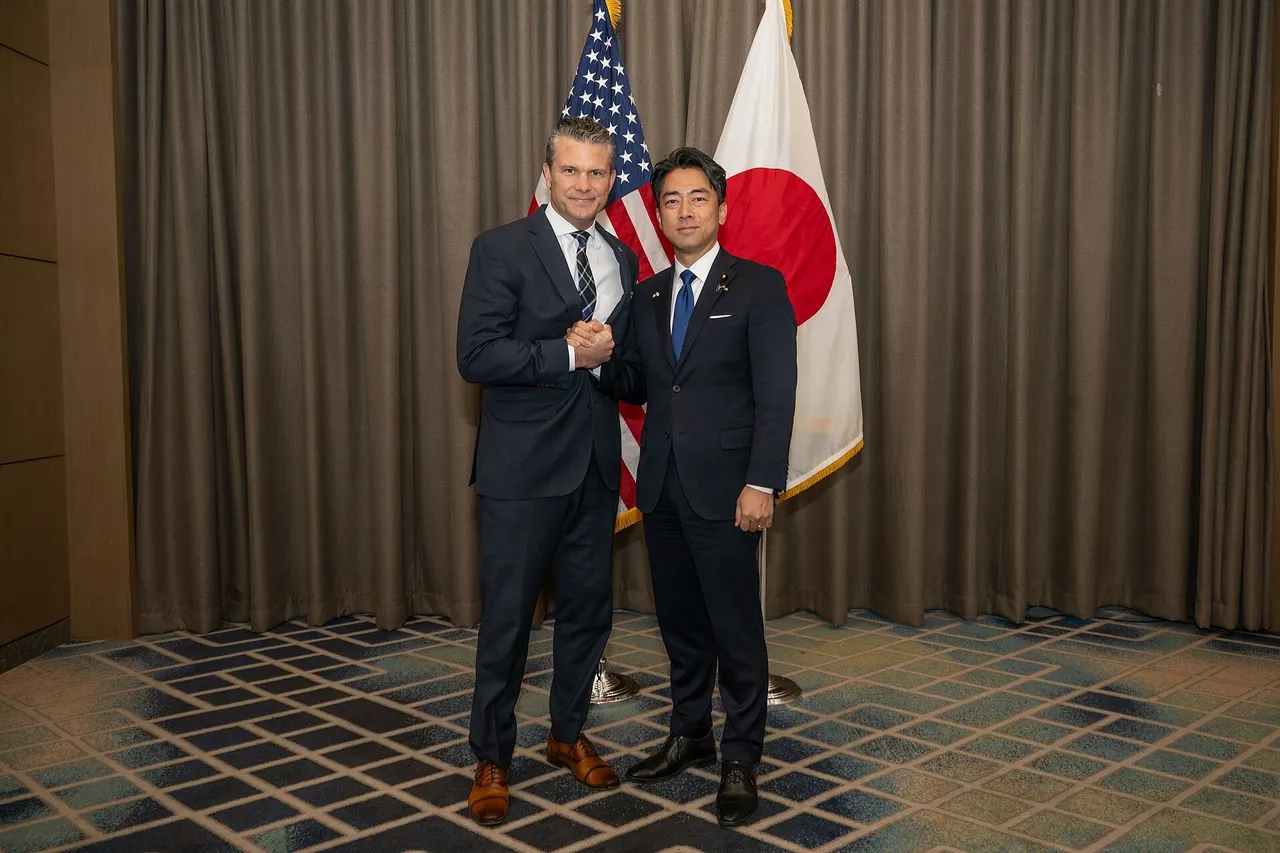
Japanese Defence Minister Shinjiro Koizumi said on 8 November 2026 that Japan should examine a way of organising the Self-Defense Forces that reaches across the boundaries between its ground, maritime and air branches. He argued that a shrinking population is making it hard to secure the number of personnel the forces need, and NHK reported that he raised the idea in connection with the government's revision of its three core security documents.
South Korean broadcaster OBS reported that Koizumi made the remarks during a lecture in Niigata. According to OBS, he said that genuine integration was one of the points to be weighed as the government reviews the roles of the SDF. The broadcaster noted that the ministry already trains future officers for all three services together at its National Defense Academy.
Later the same day Koizumi visited that academy in Yokosuka, Kanagawa Prefecture, for its anniversary festival, the Sankei Shimbun reported. After watching the final of the school's traditional pole-toppling contest, he told students training to become SDF officers that Japan needs a great deal of equipment, submarines among it, but that he had come to feel strongly that the strength of its people is the foundation of defence capability. He pledged to reinforce it.
Koizumi also told the students that the government was working to improve conditions for them and for serving personnel. When he mentioned plans to raise the allowance paid to academy students, the audience cheered, according to the newspaper. The report did not give a figure for the planned increase.
Before the academy visit, Koizumi spoke at a meeting of the Liberal Democratic Party's Niigata prefectural chapter about cyberattacks, including large leaks of personal data. He said the cost of attacking had fallen dramatically while the cost of defending had risen dramatically, and that Japan needed to change the way it defends itself in order to build peace and stability.
The staffing problem behind the review is not new. In its July 2025 white paper, the Defence Ministry acknowledged that it had missed its recruitment goals, bringing in about 10,000 personnel in each of the two previous fiscal years and falling short of its targets by nearly 10 percent, Stars and Stripes reported. Japan has about 250,000 active SDF members, and officials have cited a declining birthrate and a run of misconduct scandals as obstacles to hiring.
Tokyo has already taken one step toward tighter joint control. In March 2025 it activated the Joint Operations Command at the Defence Ministry in Ichigaya, Tokyo, to organise and command SDF responses to crises, contingencies and natural disasters. The command started with about 240 personnel under Air Self-Defense Force Lt. Gen. Kenichiro Nagumo, and it had been set out in the Defence Buildup Program, one of the three security documents issued in December 2022.
Koizumi's comments go beyond joint command by raising the question of how the services themselves are structured. In the reported remarks he did not set out a specific model, a timetable or which units might be affected, and NHK presented the idea as something to be examined within the document revision rather than as a decision already taken.
The review comes as Japan faces what its 2025 white paper described as a tougher security environment, with China expanding its military capabilities and its activity in the East China Sea, including near the Senkaku Islands, and North Korea advancing its ballistic missile programme.
Sources
More in Indo-Pacific
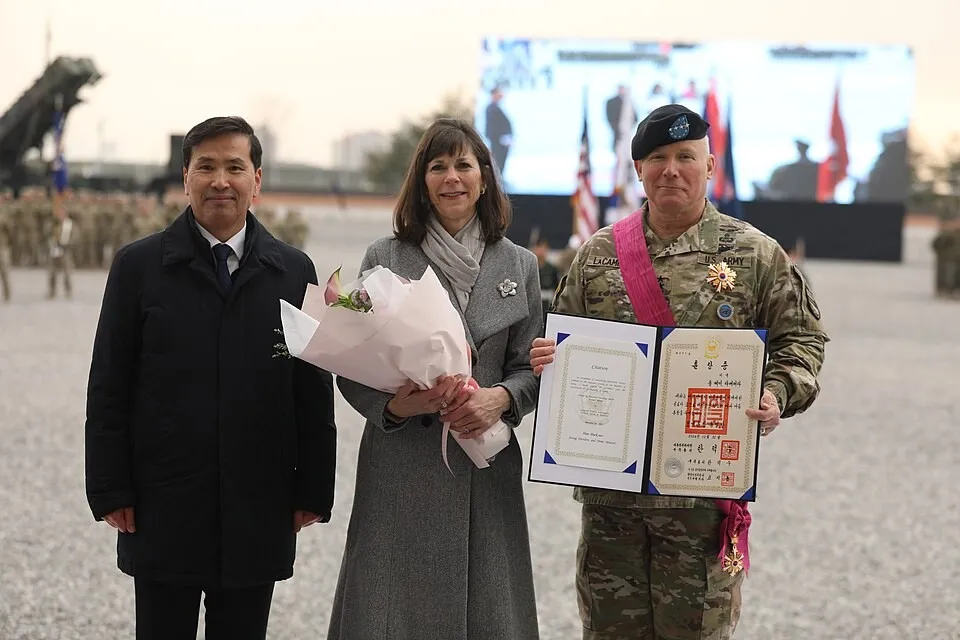
US tells visiting South Korean lawmakers the wartime control transfer deal still stands
After a Hawaii visit to Indo-Pacific Command, defence committee chair Jin Sung-joon says US officials called the conditions-based OPCON deal unchanged.
TaiwanDefence · 3h ago · 3 min read
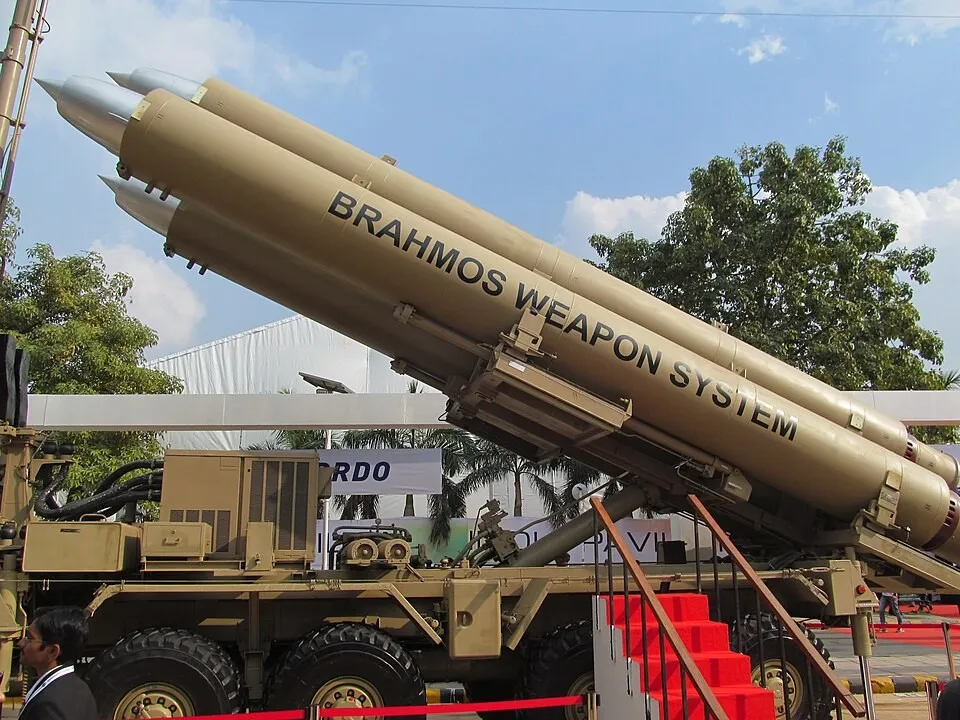
India nears a deal to sell the Philippines about 60 more BrahMos missiles
Reuters sources put the follow-on order at about five BrahMos systems worth up to US$800m, roughly double Manila's first shore-based anti-ship missile buy.
TaiwanDefence · 4h ago · 3 min read
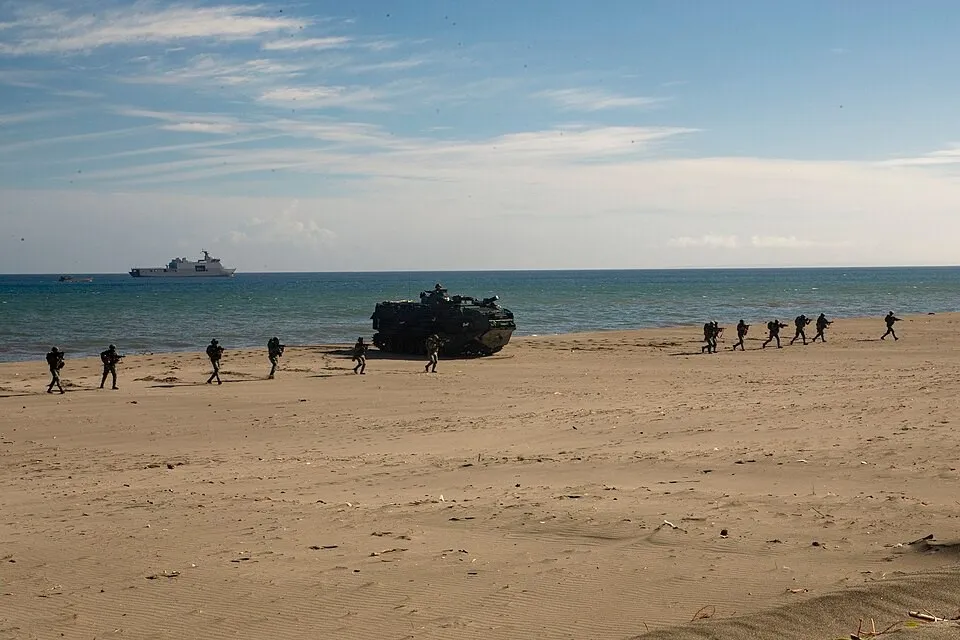
Teodoro says Philippine Marines are too small and need new bases as he rejects China's Batanes claim
The defence secretary used the Marine Corps' 76th anniversary to push for a larger force, new strategic bases and stocked reserves, and dismissed Beijing's Batanes claims.
TaiwanDefence · 10h ago · 3 min read
Discussion (0)
Comments are not currently available.