
US tells visiting South Korean lawmakers the wartime control transfer deal still stands
After a Hawaii visit to Indo-Pacific Command, defence committee chair Jin Sung-joon says US officials called the conditions-based OPCON deal unchanged.
TAIPEI —
The United States has told a visiting South Korean parliamentary delegation that the allies' agreement to hand wartime operational control to Seoul once agreed conditions are met remains unchanged, according to Rep. Jin Sung-joon, who chairs the National Assembly's defence committee. Jin reported the outcome of the trip at a press conference at the National Assembly on 8 November 2026.
Jin led a four-member cross-party group of defence committee members that visited US Indo-Pacific Command and its subordinate component commands in Hawaii from 1 to 5 November. Yonhap named Kim Byung-joo of the Democratic Party, Lim Jong-deuk of the People Power Party and Chun Ha-ram of the Reform Party as the other members.
Jin said the delegation had conveyed Seoul's strong commitment to the transfer. In his account, US officials acknowledged that some policy factors could come into play, but confirmed that the existing conditions-based agreement stands and that the conditions themselves have not changed so far.
The US side also told the lawmakers that the decision to push the annual Security Consultative Meeting into next year had nothing to do with any disagreement over the transfer, Jin said. He relayed the American explanation that the timing reflected only the dates that suited the two defence ministers and their senior military leaders.
The postponement had fuelled speculation in Seoul that the two sides were at odds over the issue. The allies agreed last month to move this year's meeting to early next year and to hold a separate meeting of defence ministers in Washington in December. It is the first time since 1998 that the annual talks have slipped into the following year.
Asked whether the Democratic Party's strong showing in the US midterm elections could change the picture, Jin told reporters that the two countries had discussed and agreed on the transfer for more than 20 years. He said he did not expect the election result to cause the existing agreement to be reopened or shaken.
On the Korean Peninsula, Jin said US officials judged the situation to be relatively stable despite North Korea's demolition of inter-Korean roads and its fortification of the military demarcation line. They nevertheless stressed the need to keep military readiness high, given Pyongyang's growing nuclear and missile capabilities and the risk of abrupt policy shifts.
The commander of the US Pacific Fleet, Adm. Koehler, indicated that the US Navy would cooperate actively on South Korea's plan to acquire nuclear-powered submarines once the two governments make the necessary policy decisions, according to the delegation. Aju Press reported that he also promised continued work on wider shipbuilding cooperation.
Aju Press, citing the delegation, also reported that Indo-Pacific Command chief Adm. Samuel Paparo described South Korea as a reliable model ally and pledged to keep strengthening the combined defence posture.
The lawmakers raised plans to move the military airport in Gwangju to Muan to free land for a semiconductor cluster, a step that requires temporary arrangements for US military facilities. Jin said US Air Force Gen. Kevin Schneider described the relocation as a sovereign South Korean decision, with the US military's role limited to reviewing and advising on military risks.
The trip itself nearly fell through. Jin was told on 28 October that his US visa had been refused, and he received an official visa on 31 October after requests through diplomatic channels, Yonhap reported. He said the delegation was still able to visit the commands as planned.
President Lee Jae Myung's government aims to regain wartime operational control before its term ends in 2030, or sooner. Seoul took back peacetime control in 1994, while wartime control remains in American hands.
Sources
More in Indo-Pacific
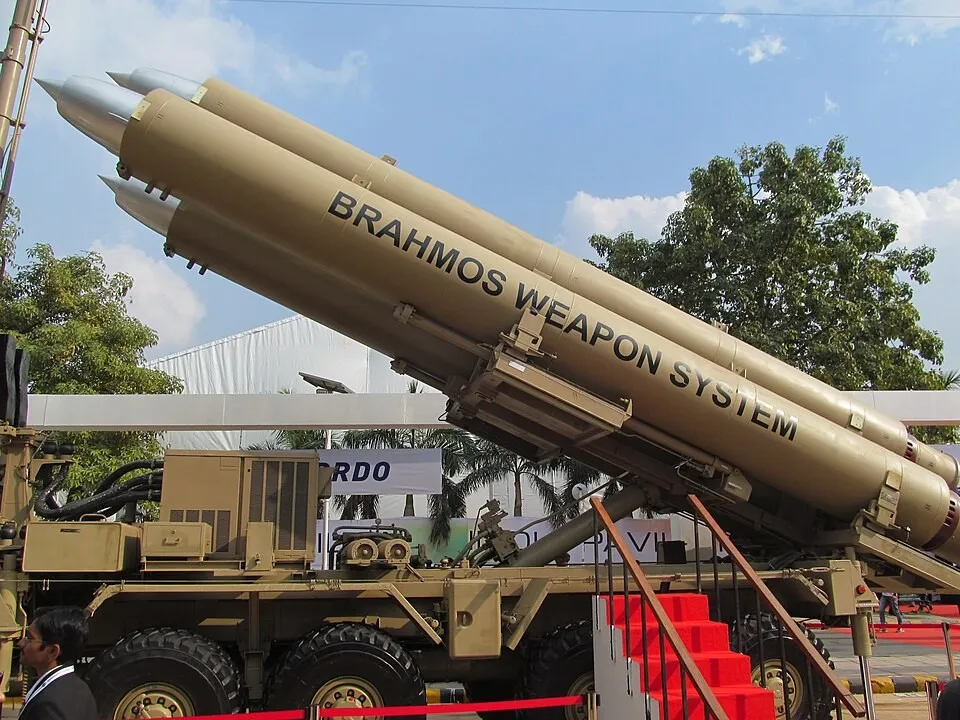
India nears a deal to sell the Philippines about 60 more BrahMos missiles
Reuters sources put the follow-on order at about five BrahMos systems worth up to US$800m, roughly double Manila's first shore-based anti-ship missile buy.
TaiwanDefence · 1h ago · 3 min read
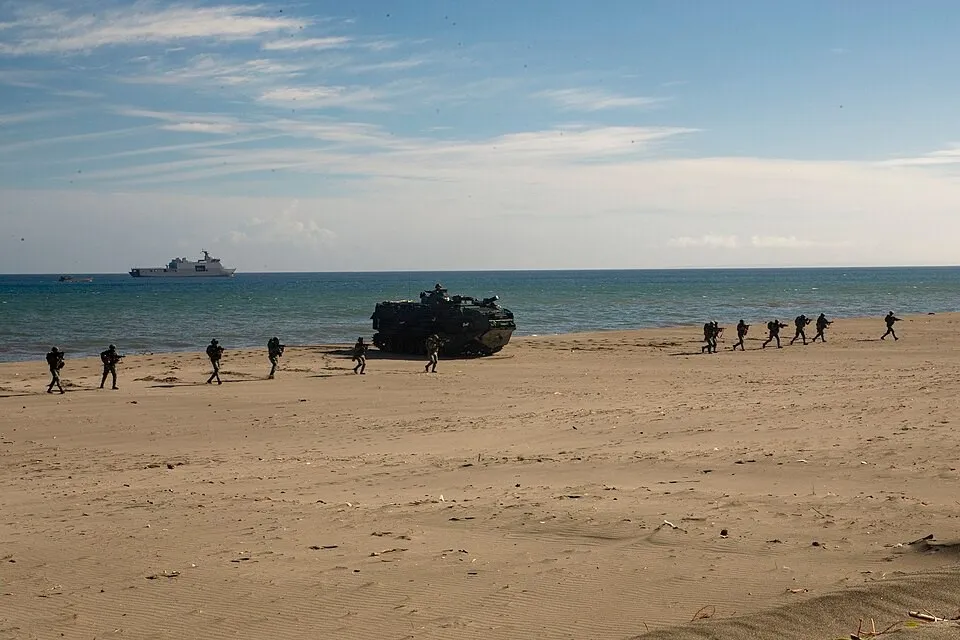
Teodoro says Philippine Marines are too small and need new bases as he rejects China's Batanes claim
The defence secretary used the Marine Corps' 76th anniversary to push for a larger force, new strategic bases and stocked reserves, and dismissed Beijing's Batanes claims.
TaiwanDefence · 7h ago · 3 min read
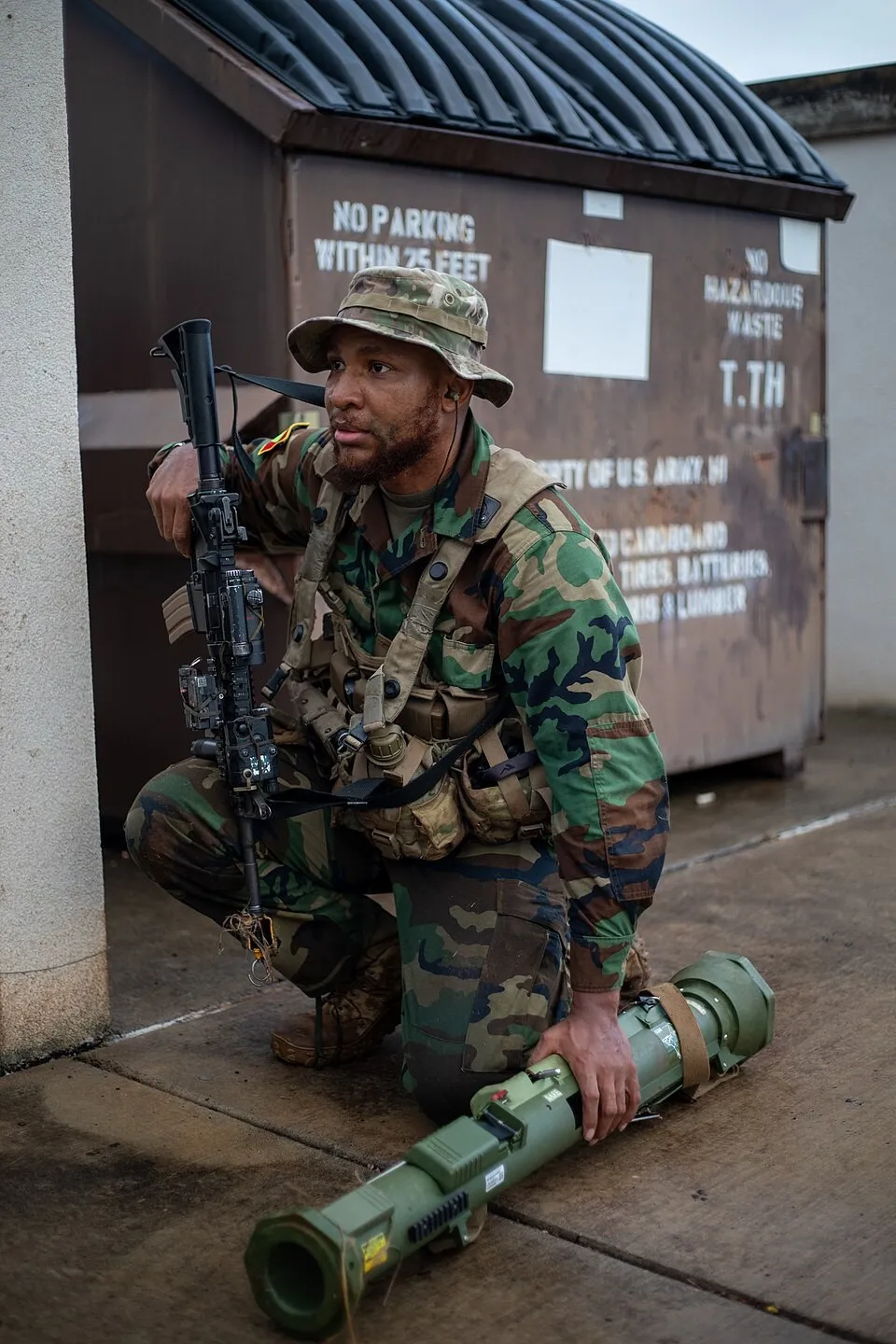
US Army and six partner militaries move into force-on-force island combat drills in Hawaii
About 7,000 troops from the US, Japan, South Korea, Singapore, France, New Zealand and the Maldives began simulated combat across Hawaii's islands on 4 November.
TaiwanDefence · 13h ago · 3 min read
Discussion (0)
Comments are not currently available.