Lai asks visiting US lawmakers to move from arms sales to joint development and production of drones
Meeting two congressional delegations before National Day, Taiwan's president said Taipei and Washington should co-develop drone, counter-drone and AI decision-support systems.
TAIPEI —
Taiwan's President Lai Ching-te has urged the United States to take defence ties beyond arms purchases toward joint research, development and production of military equipment, singling out drones and counter-drone systems, as two US congressional delegations visited Taipei ahead of the island's National Day on 10 October.
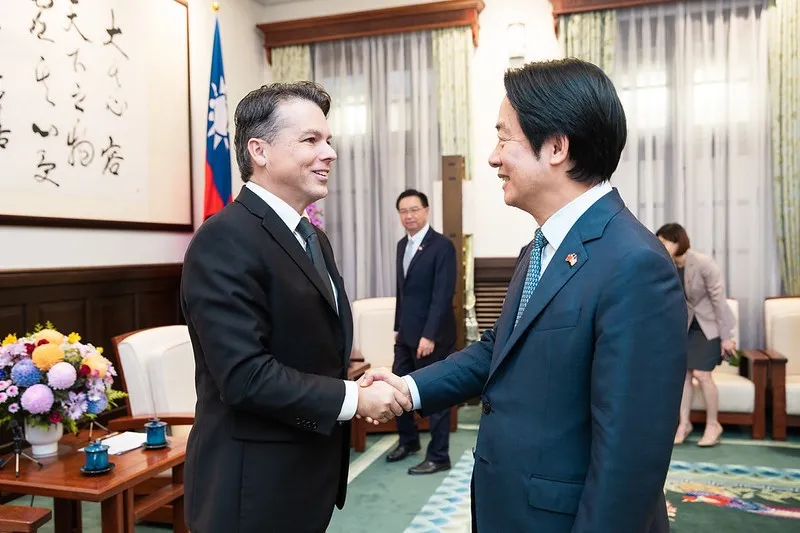
Lai made the appeal on the morning of Wednesday, 8 October, in separate meetings at the Presidential Office with a House delegation led by Representative Brendan Boyle, the ranking Democrat on the House Budget Committee, and a delegation led by Senator Michael Bennet of Colorado, according to the Presidential Office and the Taipei Times.
Speaking to Boyle's group, Lai said Taiwan wanted to deepen defence cooperation with Washington and progress step by step from military procurement to joint research and development and joint production, which he said would strengthen the resilience and capacity of both sides' defence industries. He named three areas for closer work: building drone and counter-drone systems, using artificial intelligence to support military decision-making, and improving logistical and operational effectiveness.
Lai told the House members that Taiwan holds a key position on the first island chain and believes peace can only be secured through strength. Alongside a rising defence budget and more spending on self-sufficiency in defence production, he said, Taiwan would keep buying weapons from abroad and building whole-of-society defence resilience.
A drone supply chain without Chinese parts
In the meeting with Bennet's delegation, Lai said Taiwan's overall defence budget had reached 3.2 percent of gross domestic product this year. He said next year's budget would equal 3.9 percent of GDP and more than 20 percent of central government spending, and that defence spending was expected to reach 5 percent of GDP by 2030.
Lai said the extra money was meant to change the way Taiwan defends itself rather than simply enlarge the budget, citing efforts to bring artificial intelligence, unmanned vehicles, space technology and new communications and command systems into the armed forces to build a more distributed and resilient force aimed at asymmetric warfare. He said he hoped Taiwan and the US would build what he called a non-red supply chain for drones, one that excludes Chinese technology, and expand industrial exchanges.
Bennet commended the Legislative Yuan for approving a special military procurement budget of more than US$24 billion, along with more than US$7 billion for building unmanned systems in Taiwan. He said the wars in Ukraine and the Middle East had shown the importance of such systems, and that producing them in Taiwan would strengthen its deterrence.
The senator said there was strong bipartisan support in Congress for peace and stability across the Taiwan Strait, including providing Taiwan with the weapons it needs for its defence, and that he would work with colleagues to make sure support already authorised and funded is carried out. Lai thanked him for introducing the First Island Chain Deterrence Act in March, which addresses US arms deliveries to Taiwan and other partners along the first island chain, and for helping advance the Six Assurances to Taiwan Act in July.
Pre-holiday visits
Boyle's delegation, which includes Representatives Andrea Salinas and Tim Kennedy, arrived in Taiwan on Tuesday and was due to leave on Friday, Radio Taiwan International reported. It was Boyle's first visit to Taiwan. Foreign Minister Lin Chia-lung hosted the group for lunch on Wednesday for talks on trade, technology and regional security.
Lai also asked the House members to help Congress quickly complete legislation for a Taiwan-US agreement to avoid double taxation. With Bennet, he raised space cooperation, noting the senator's work on a Taiwan-US space assistance bill and the start of deployment last year of Formosat-8, Taiwan's first indigenously developed optical remote-sensing satellite constellation.
Bennet said his delegation had met security officials and legislative leaders during the week and would take Lai's ideas on further cooperation back to Washington, according to the Presidential Office.
Sources
More in Industry
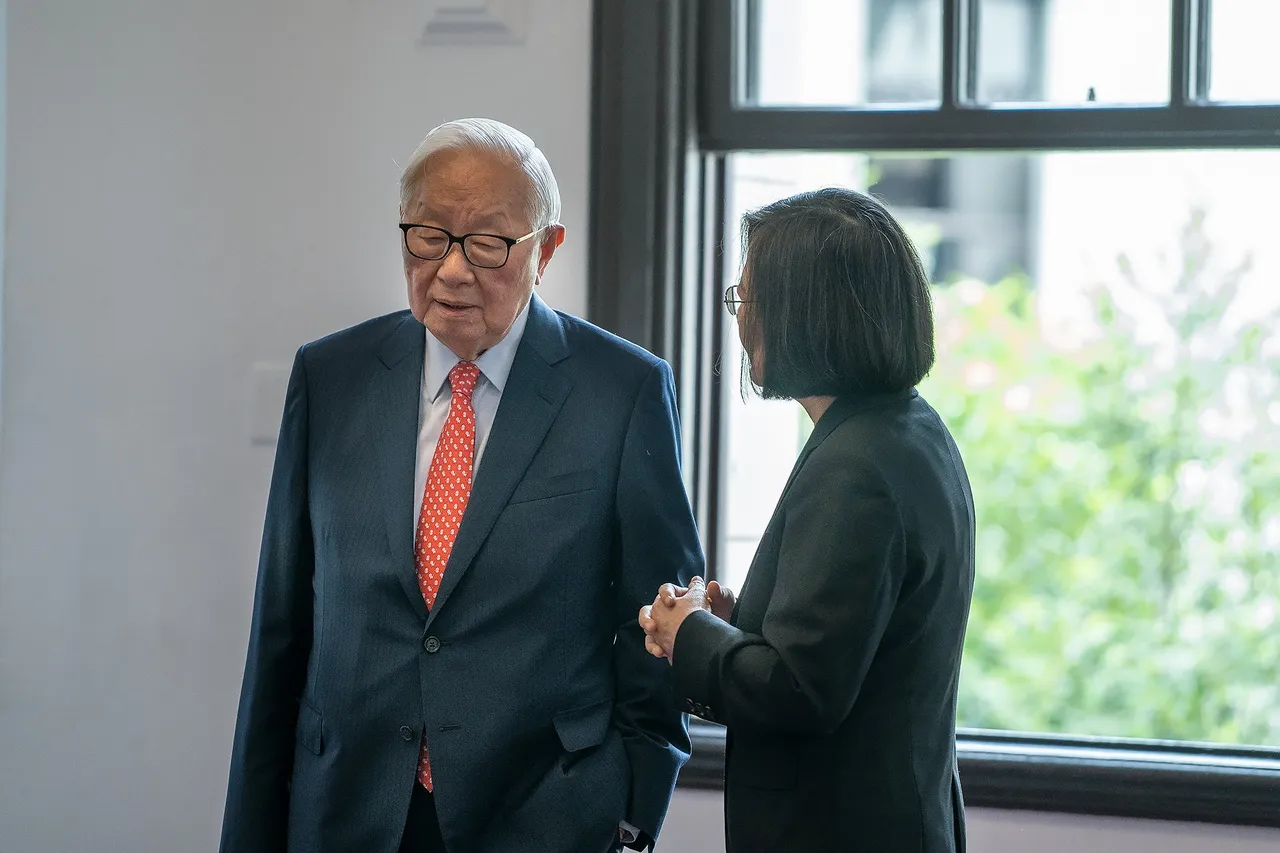
Tsai tells Stanford audience Taiwan is a defence and tech partner under Chinese military pressure
Former president Tsai Ing-wen told Stanford DEFCON that Chinese military and coast guard pressure is daily, and that Taiwan semiconductor capacity underwrites democratic security.
TaiwanDefence · 13h ago · 2 min read
Lai presses US lawmakers to move from arms sales to joint drone and AI development with Taiwan
President Lai Ching-te told two visiting US congressional delegations on 8 October that Taiwan wants to co-develop and co-produce drones, counter-drone systems and AI tools.
TaiwanDefence · 1d ago · 3 min read
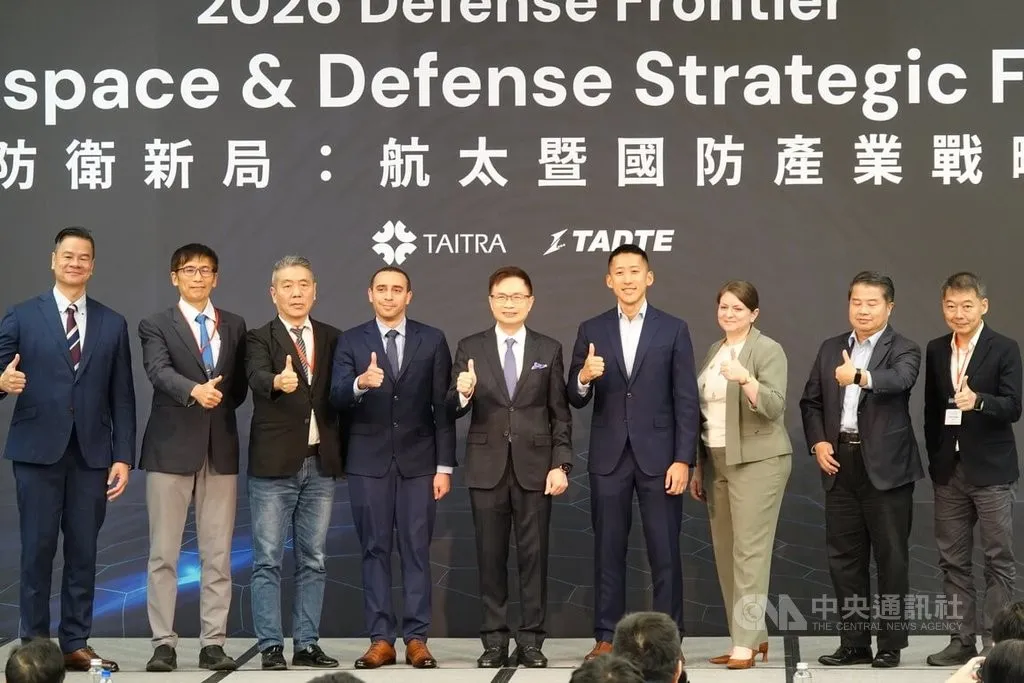
Saronic urges Taiwan to buy reusable autonomous sea drones as grey-zone patrols wear down crews
At a TAITRA defence forum in Taipei on 7 October, US firms argued autonomy would spare ships and sailors, as the trade body unveiled a guide to Taiwan's uncrewed-systems makers.
TaiwanDefence · 2d ago · 3 min read
Discussion (0)
Comments are not currently available.