
Lockheed unveils PAC-3 Edge, a longer-range Patriot interceptor aimed at hypersonic threats
The US Army Future Interceptor entry is due to start testing in 2027 and deploy by 2031, building on the PAC-3 MSE that Taiwan is buying.
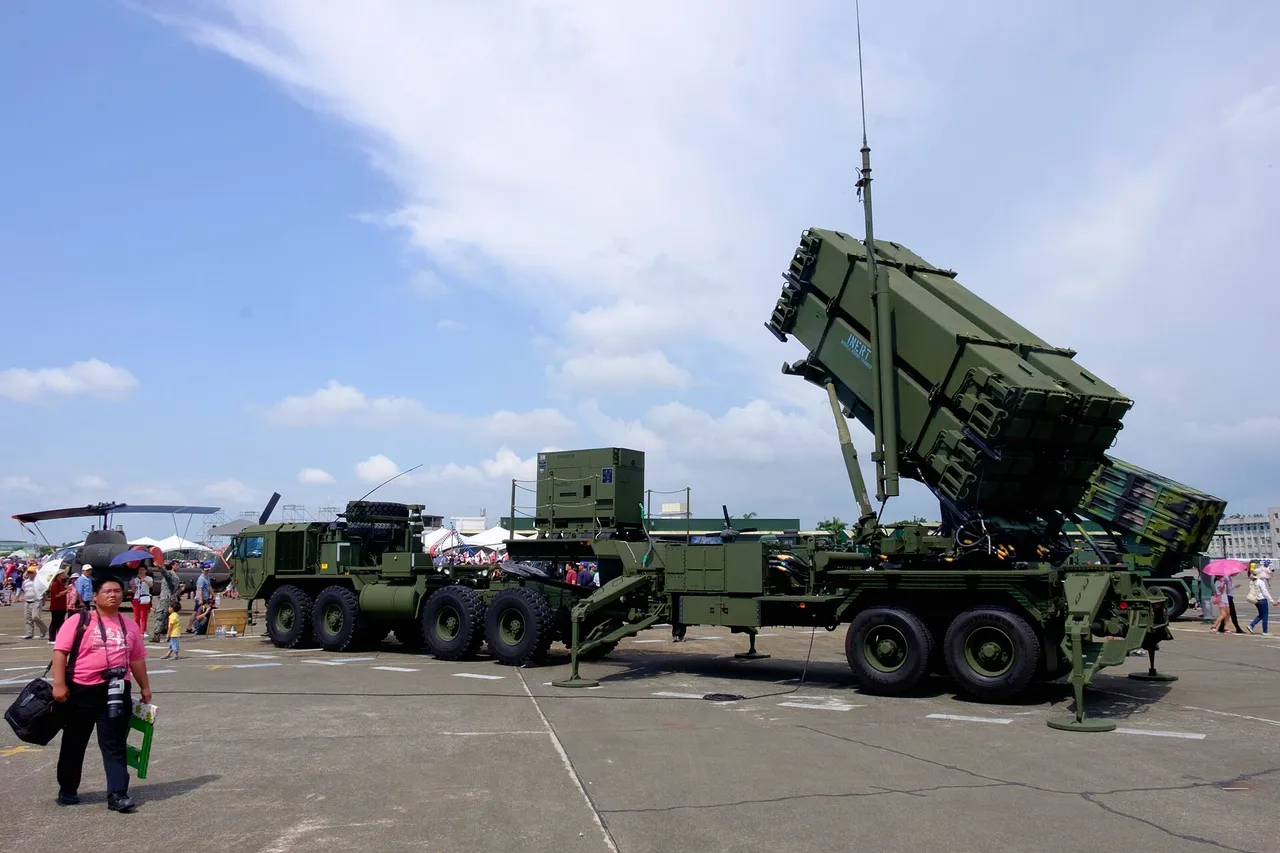
TAIPEI —
Lockheed Martin has unveiled the PAC-3 Edge, a new Patriot-family interceptor that it says will fly farther and higher than the current PAC-3 Missile Segment Enhancement (MSE) and take on hypersonic and other advanced missile threats. The missile is the company's entry in the US Army's Future Interceptor programme, and Lockheed said on Friday, 9 October, that the Army had moved it into the next stage of development.
Lockheed plans to begin testing the PAC-3 Edge in 2027, with a goal of deploying it by 2031, the company said. Tim Cahill, president of Lockheed Martin Missiles and Fire Control, told Breaking Defense that the new interceptor would be longer ranged, reach higher altitudes, carry a more sensitive seeker and manoeuvre better against targets that try to hide. He said Lockheed was one of two companies selected to advance in the programme but did not name the other.
New seeker, new motor
The Edge keeps the MSE as its basis but changes three subsystems, according to the company and trade reporting. It uses a new seeker designed in-house by Lockheed's Strigo Product Center, a multi-pulse solid rocket motor from Northrop Grumman in place of the MSE's dual-pulse motor, and an upgraded control system meant to improve performance at range and altitude. Lockheed has not released range, altitude, speed or weight figures.
Cahill said Lockheed would invest hundreds of millions of dollars of its own money in the missile alone, and about 800 million dollars in the seeker. The missile is designed to work with the Army's Integrated Battle Command System, the existing M903 Patriot launcher, containerised launchers and the HIMARS Flex launcher, and would be built on the PAC-3 line in Camden, Arkansas, which is being expanded under a Pentagon agreement to triple interceptor output.
The programme revives an effort the Army shelved in 2024, when it cancelled the Lower-Tier Future Interceptor on cost grounds and chose to keep upgrading the MSE. The restart comes as combat use in Ukraine and the Middle East draws down Patriot stocks, and a full-scale model is due to be shown at the Association of the US Army conference next week.
Why it matters for Taiwan
Taiwan is a PAC-3 MSE customer. It has already bought 102 of the missiles, and the delayed 14 billion dollar US arms package is expected to include hundreds more alongside NASAMS launchers and the Integrated Battle Command System as part of the layered T-Dome air defence plan, the Taipei Times reported last month, citing sources.
A 2031 fielding date means any Edge rounds would arrive well after Taiwan's current MSE orders, so for now the more pressing question for Taipei is whether expanded production lines can deliver the interceptors it has already bought.
Sources
More in Industry
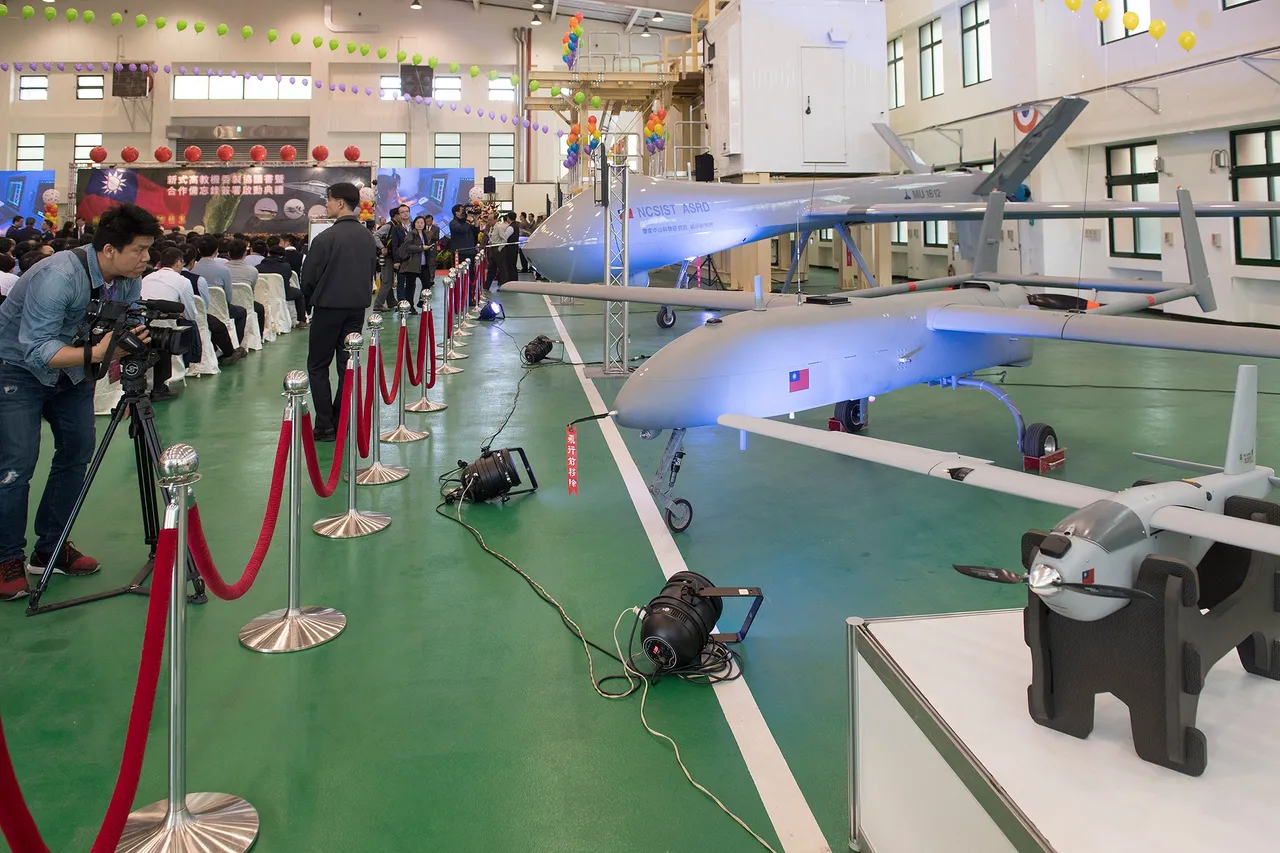
Taiwan more than doubles drone R&D subsidies, with AIDC's jam-resistant cargo drone taking the top award
The economy ministry approved 27 drone projects worth about NT$780 million, led by an AIDC heavy-lift drone designed to keep flying without GPS and under signal interference.
TaiwanDefence · 10h ago · 2 min read

Lai asks visiting US lawmakers to move from arms sales to joint development and production of drones
Meeting two congressional delegations before National Day, Taiwan's president said Taipei and Washington should co-develop drone, counter-drone and AI decision-support systems.
TaiwanDefence · 12h ago · 3 min read

Tsai tells Stanford audience Taiwan is a defence and tech partner under Chinese military pressure
Former president Tsai Ing-wen told Stanford DEFCON that Chinese military and coast guard pressure is daily, and that Taiwan semiconductor capacity underwrites democratic security.
TaiwanDefence · 1d ago · 2 min read
Discussion (0)
Comments are not currently available.