
Philippine Navy to choose sites for Japan's first donated defence radar as air force gets drones
Japan's largest security aid grant yet gives the Philippine Navy a coastal radar and the air force surveillance drones, and the navy is now weighing where to put the radar.

TAIPEI —
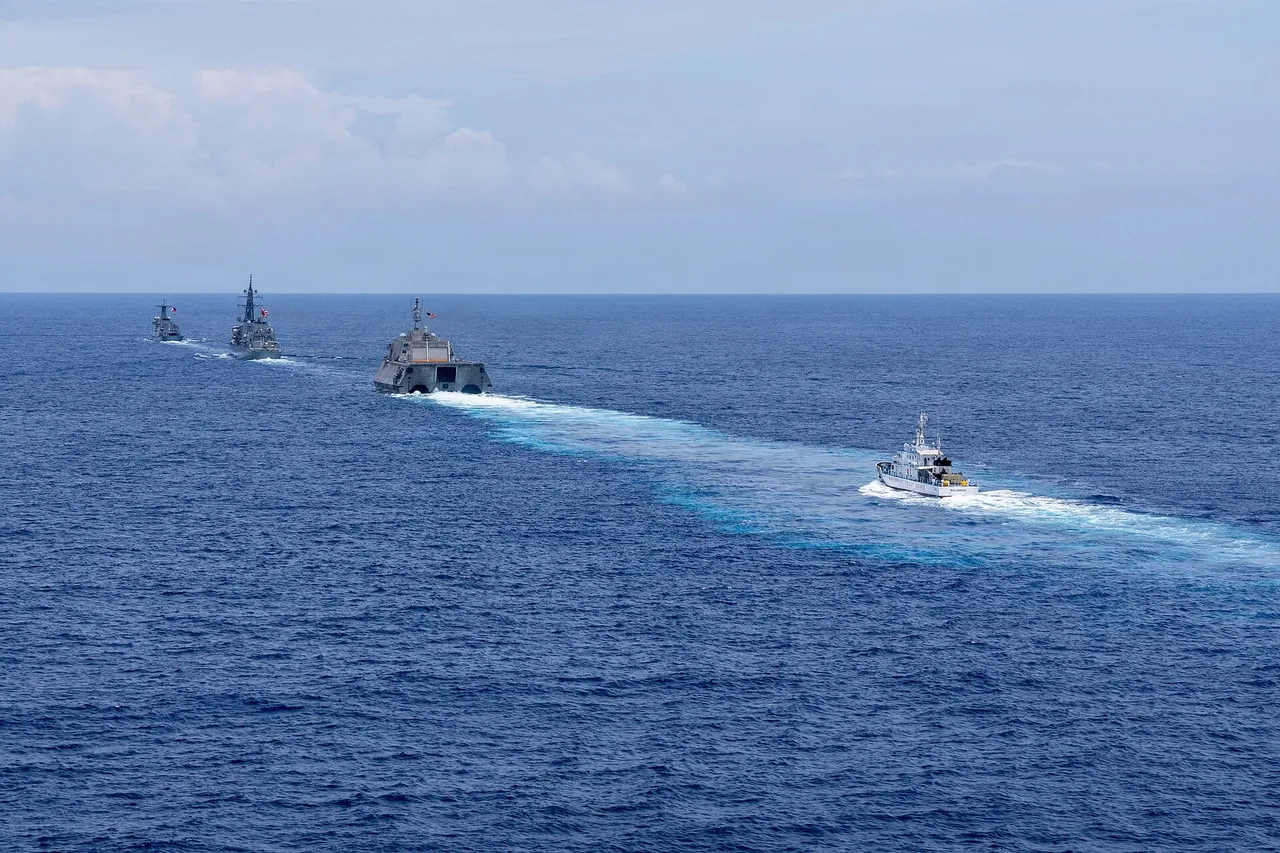
The Philippine Navy will decide where to install a coastal surveillance radar system that Japan has agreed to donate, choosing locations that fit its strategic basing plans, the navy's spokesperson told a briefing at Camp Aguinaldo on 10 November. The Philippine Air Force said surveillance drones in the same package would add to the intelligence, surveillance and reconnaissance aircraft it already flies, according to the Manila Standard.
The equipment is covered by a grant worth 4.3 billion yen, about 27 million US dollars or roughly 1.72 billion pesos, under Japan's Official Security Assistance programme for fiscal year 2026. Philippine Foreign Secretary Maria Theresa Lazaro and Japanese Ambassador Kitagawa Katsuro signed and exchanged diplomatic notes for the project in Manila on 9 November, the Philippine News Agency reported.
Japan's foreign ministry said the coastal radar is classified as defence equipment, making it the first transfer of finished defence equipment through the programme since Tokyo launched it in 2023. NHK reported that the radar and drones together form the largest project under the programme so far.
Navy spokesperson Capt. Marissa Martinez said the radar would help the service detect and identify vessels operating in Philippine waters, including areas beyond the country's exclusive economic zone. She said it would support the 360-degree maritime domain awareness sought under the armed forces' Comprehensive Archipelagic Defense Concept and the navy's own Active Archipelagic Defense Strategy, and that the navy would prioritise key maritime areas where surveillance is essential.
Air force spokesperson Col. Alvin Jay Capinguian described the drones as a significant boost to the service's existing reconnaissance fleet and said the signing showed that ties between Manila and Tokyo were still strengthening. The reports did not name the drone model, the number of aircraft or a delivery date, and the navy has not said where the radar will be placed.
Japan's foreign ministry said the Philippines sits beside important sea lanes, including the South China Sea and the Luzon Strait, and plays an important role in regional security. It said the project would make sea lanes that matter to Japan more secure and would support peace and stability in the region.
The Luzon Strait, which separates Taiwan from northern Luzon, is one of the main passages linking the South China Sea with the western Pacific. Japan, Taiwan and the Philippines all lie along the first island chain that divides China's coastal seas from the open ocean, which gives better Philippine sensor coverage a direct bearing on the waters south of Taiwan.
The new package builds on earlier Japanese aid. Under the first grant to the Philippines, signed in November 2023, five coastal radar systems arrived in January 2026 and were formally handed over a month later, according to Philstar. Those earlier radars were not classified by Japan as defence equipment, which is what sets the latest transfer apart.
The Philippines and China have overlapping territorial claims in the South China Sea, where their vessels have repeatedly clashed, NHK noted. The new radar and drones are meant to improve Manila's ability to track ships and aircraft moving through those waters and the surrounding airspace.
Sources
More in Indo-Pacific
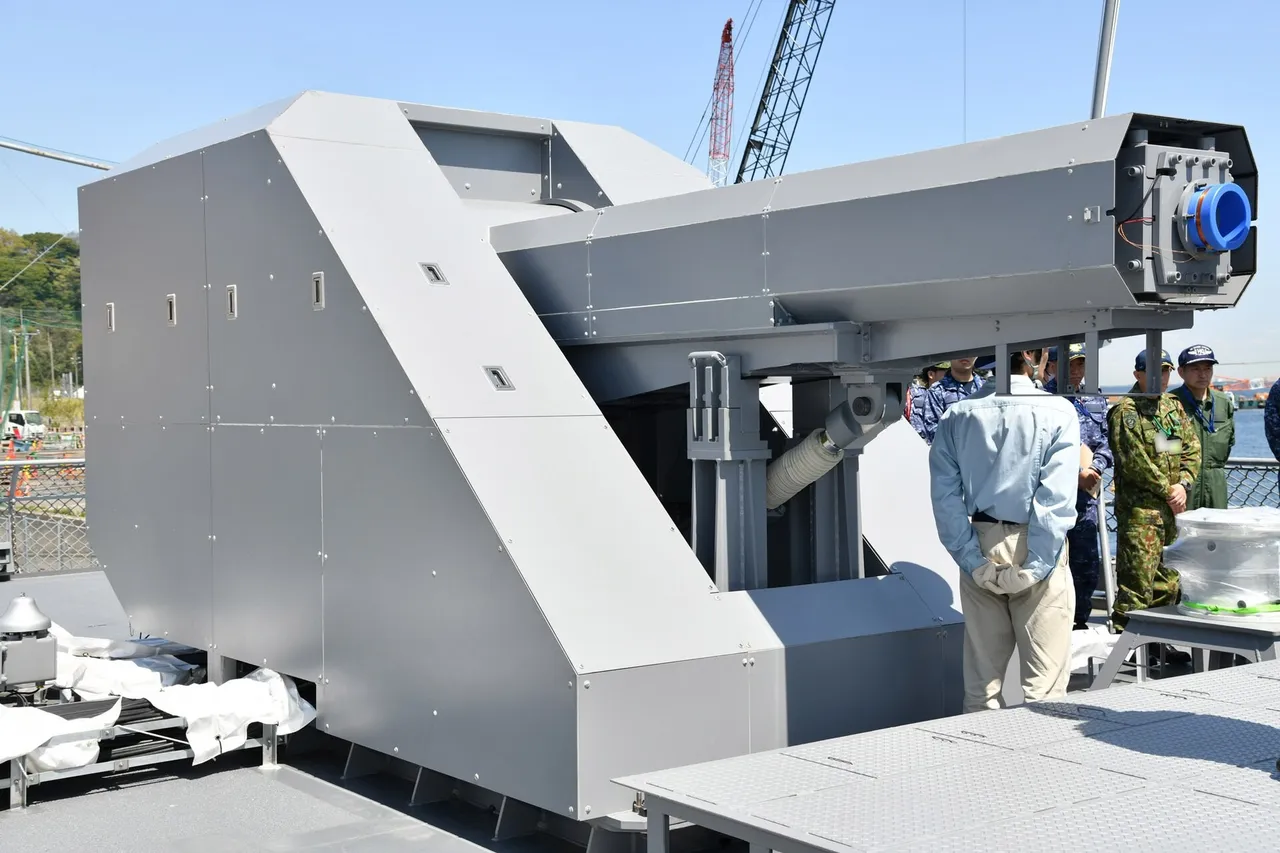
Japan's small test railgun fires 10 rounds in a row on battery power
Japan's defence procurement agency showed a 16mm railgun firing one round every 10 seconds, a step toward shrinking the huge power supply the weapon needs.
TaiwanDefence · 2h ago · 3 min read
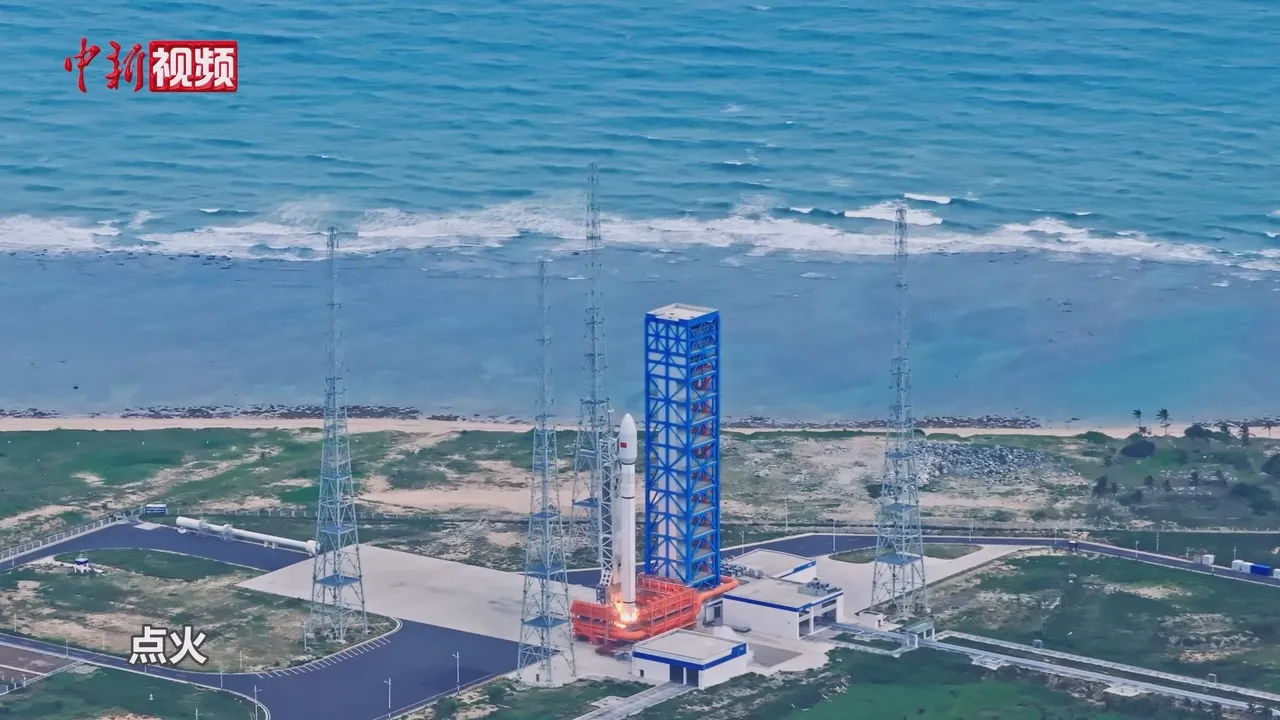
Philippine Navy puts its western command on alert as a Chinese rocket streaks over its sea outposts
Sailors from Puerto Princesa to Rizal Reef tracked glowing trails from a Long March 12 launch whose debris zone lay 19 nautical miles from Tubbataha.
TaiwanDefence · 6h ago · 3 min read
Cambodia starts its first military conscription as 5,000 recruits begin training
Hun Manet opened the draft on Independence Day and paired it with a shake-up that pulls soldiers out of small district posts and into battalions.
TaiwanDefence · 7h ago · 2 min read
Discussion (0)
Comments are not currently available.