Saronic urges Taiwan to buy reusable autonomous sea drones as grey-zone patrols wear down crews
At a TAITRA defence forum in Taipei on 7 October, US firms argued autonomy would spare ships and sailors, as the trade body unveiled a guide to Taiwan's uncrewed-systems makers.
TAIPEI —
An executive of US uncrewed-boat maker Saronic Technologies urged Taiwan on Wednesday, 7 October, to buy reusable, multi-mission autonomous surface vessels, arguing that the one-way attack drones it plans to procure do nothing to relieve the daily strain China's grey-zone pressure puts on the navy and coast guard.
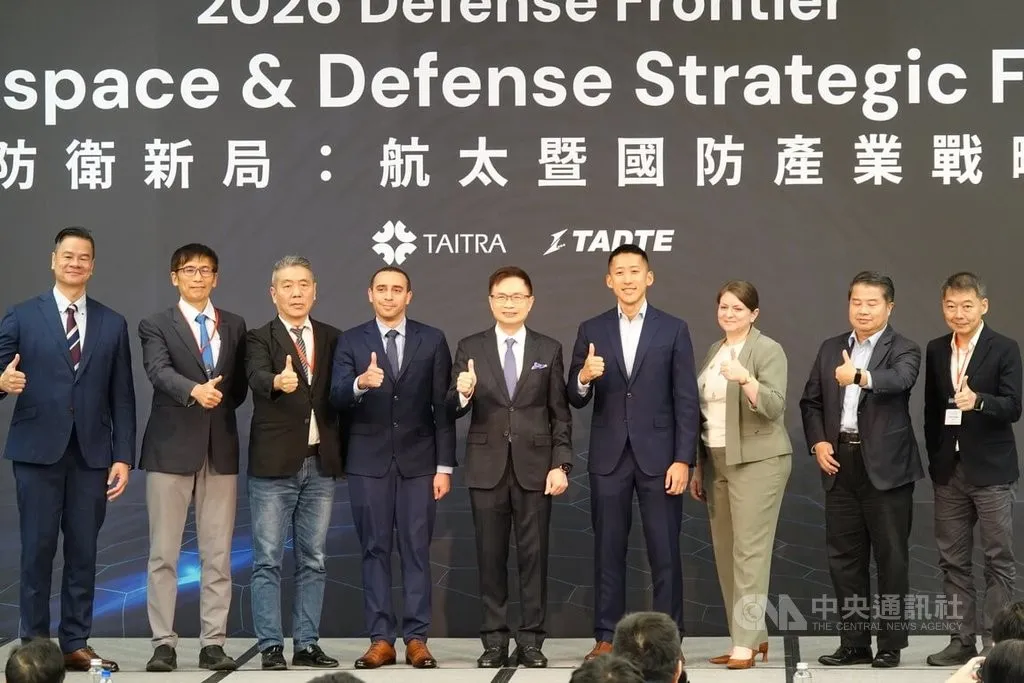
Mira Resnick, a Saronic senior director and former US State Department deputy assistant secretary, made the case in a keynote at the 2026 Aerospace and Defense Strategic Forum, hosted in Taipei by the Taiwan External Trade Development Council (TAITRA). The forum drew more than 400 industry representatives and professionals, the organiser said.
Crewed ships on the least demanding mission
Resnick said Taiwan currently answers the near-daily presence of Chinese navy, coast guard and maritime militia vessels by shadowing them with crewed warships and coast guard cutters. Each hour a corvette spends trailing a militia trawler, she said, costs hull life, fuel and, above all, sailors, meaning Taiwan is spending its scarcest resource on its least demanding task while China wears it down without firing a shot.
She pointed to the Ministry of National Defense report released on 1 October, which tracked 23 Chinese military aircraft sorties and 14 vessels around Taiwan on 30 September, calling that an ordinary day even before sand dredgers, militia boats and coast guard ships near Kinmen and Matsu are counted, according to CNA.
Taiwan plans to acquire more than 200,000 uncrewed systems, but only about 1,300 of them are surface vessels, and those are single-use explosive boats that are only useful once a war starts, Resnick said, according to CNA. She called for reusable multi-mission autonomous vessels with modular payloads that could shadow militia boats in place of coast guard ships, track Chinese movements and, in an invasion, pass targeting data to the one-way drones.
Autonomy versus remote control
Resnick gave two reasons autonomy matters. China has invested heavily in electronic warfare and counterspace capabilities and would target the datalinks of Taiwanese forces, so a remotely piloted boat loses all capability once its link is cut. Remote control also saves no manpower, she said, because it only moves crews ashore, and 1,300 remotely piloted boats would need more than a thousand trained operators, whereas real autonomy would let one operator supervise several vessels.
She urged the government to test all bidders, Saronic included, in real conditions such as fishing nets and rough seas, and said US firms should integrate Taiwanese sensors and command systems with local maintenance so the boats can be co-produced rather than sold whole. The People's Liberation Army would not wait for Taiwan's procurement cycle, she added.
Alex Chang, Anduril's East Asia managing director and head of its Taiwan operation, told the forum that commanders on a future battlefield may have only seconds to understand an attack and assign a weapon, and that no headquarters can manually process every radar track, drone feed and targeting request at once. He said autonomy can tie separate systems into a force that keeps fighting under missile strikes or electronic warfare.
A map of Taiwan's drone makers
TAITRA Chairman Huang Chih-fang used the event to release three industry maps covering uncrewed vehicles, artificial intelligence and semiconductors, listing nearly 1,000 Taiwanese companies. The uncrewed-systems volume, titled Taiwan Uncrewed, maps the supply chain from components to system integration for foreign buyers.
Huang said trusted-partner and non-red supply chain requirements have become a real procurement standard rather than a slogan, giving Taiwan a historic window to turn its semiconductor and information-technology base into defence-industry capability. He said Shield AI, Oracle and Airbus were among foreign firms registered, alongside almost all of Taiwan's main drone makers.
TAITRA said the forum was a warm-up for the Taipei Aerospace and Defense Technology Exhibition, set for 23 to 25 September 2027.
Sources
More in Industry
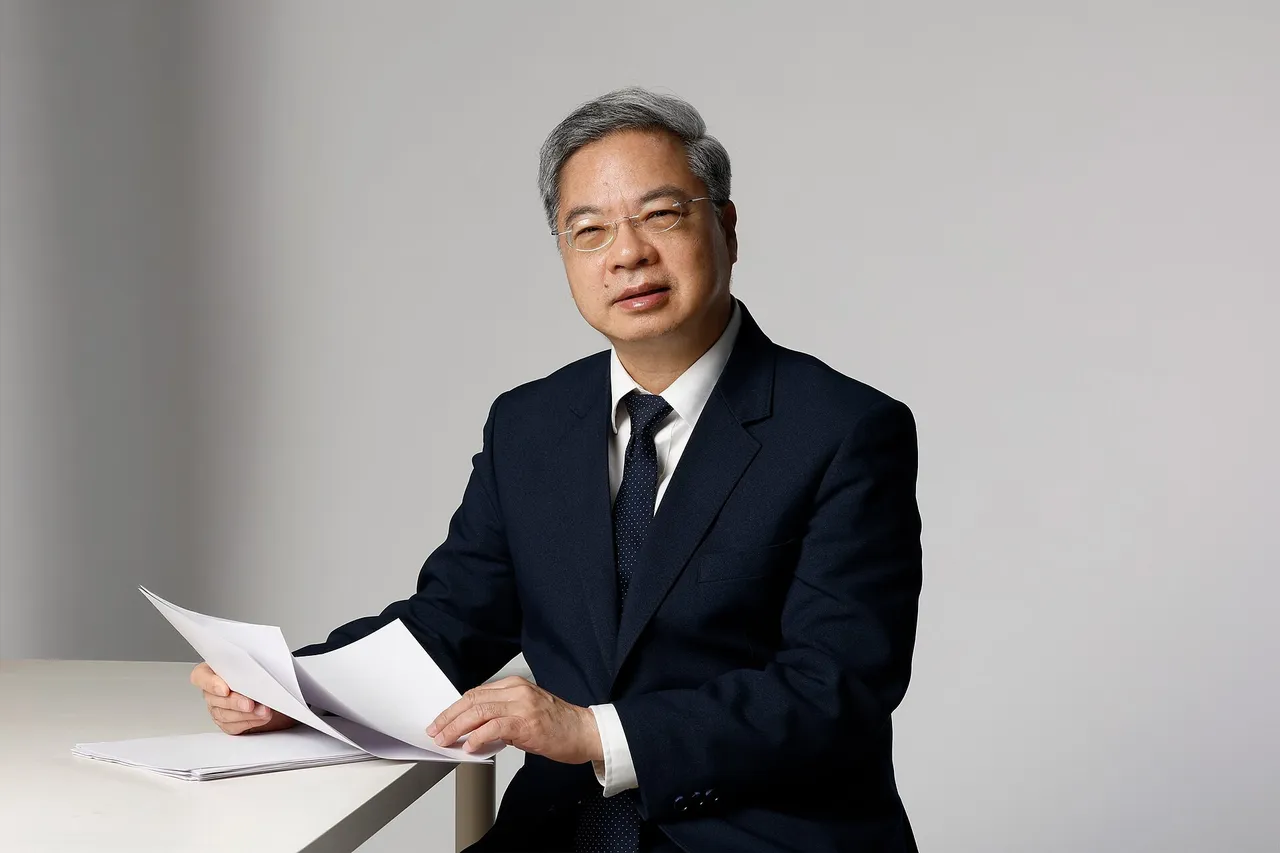
Taiwan's economy minister lifts 2030 drone output outlook past NT$50 billion
Kung Ming-hsin says drones could become Taiwan's next sacred mountain, citing defence needs, a supply chain free of Chinese parts and demand from democratic buyers.
TaiwanDefence · 1d ago · 3 min read
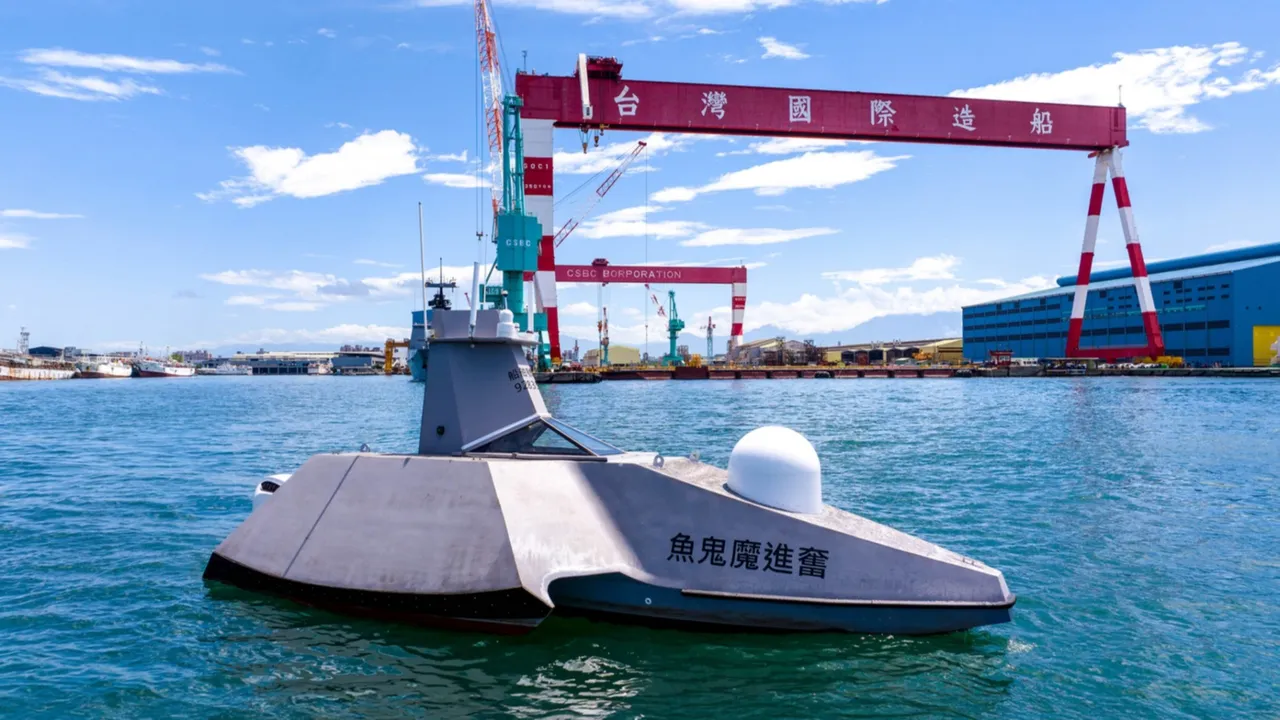
Taiwan pairs US autonomy tech with yards for sea-drone fleets
Nikkei and Taiwan News detail Saronic, Anduril, and Havoc tie-ups as Taipei plans 25 USVs plus larger attritable boat fleets to contest Chinese maritime gray-zone pressure.
TaiwanDefence · 4d ago · 2 min read
Hsiao hails Taiwan Tu Gou robot dog at Taichung dual-use AI show
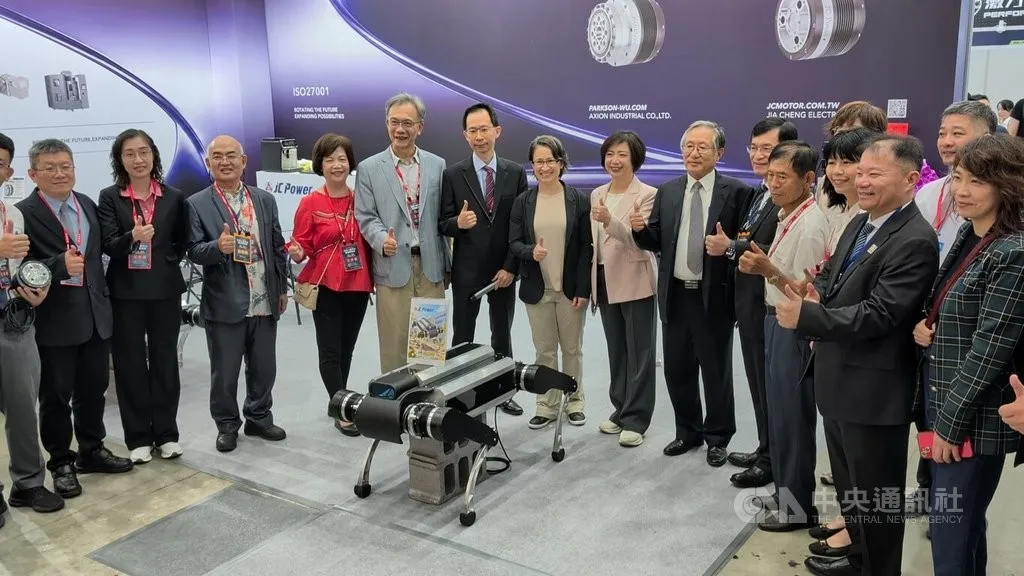
Vice president tours defense pavilion as Parkson Wu and Jia Chen unveil an all-Taiwan quadruped robot pitched for patrol, transport, and special-environment roles.
TaiwanDefence · 4d ago · 2 min read
Discussion (0)
Comments are not currently available.