Taiwan pairs US autonomy tech with yards for sea-drone fleets
Nikkei and Taiwan News detail Saronic, Anduril, and Havoc tie-ups as Taipei plans 25 USVs plus larger attritable boat fleets to contest Chinese maritime gray-zone pressure.
TAIPEI —
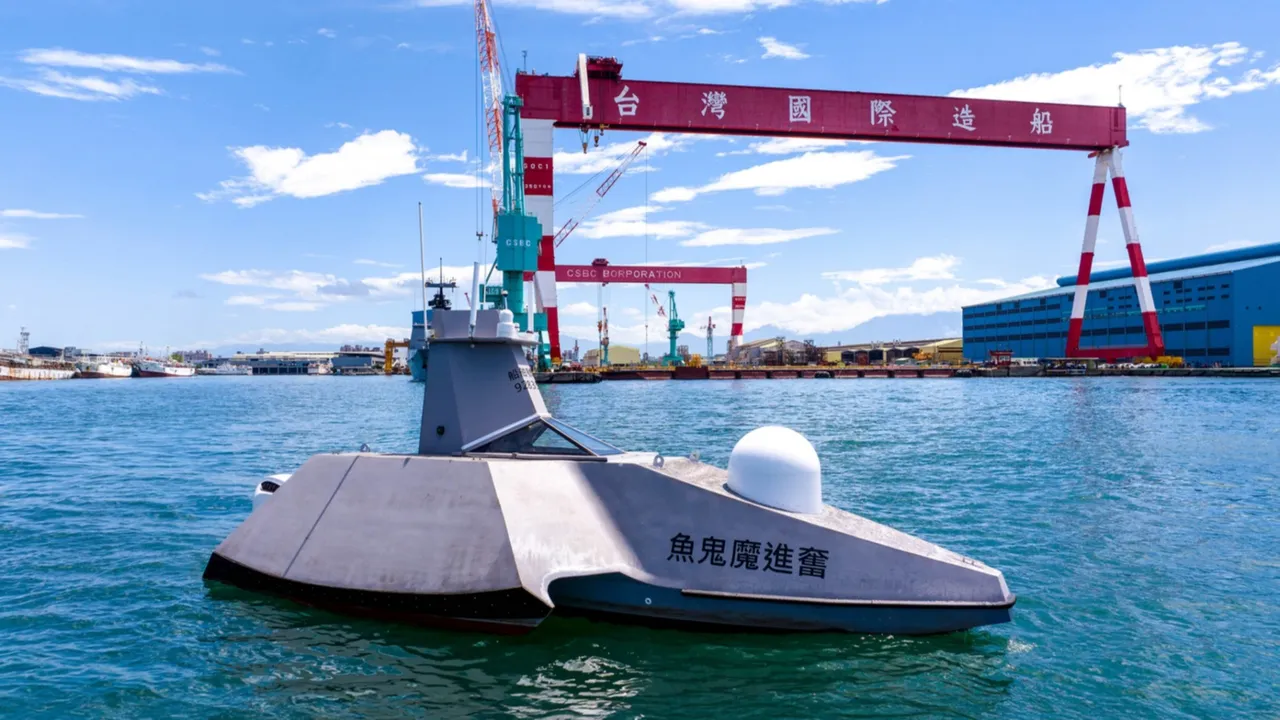
Taiwan is pairing domestic shipbuilding with U.S. autonomy, sensors, and command software to expand uncrewed surface and underwater fleets, according to Nikkei Asia reporting amplified by Taiwan News as Chinese maritime pressure drives navy and coast guard procurement plans.
Analyst Cathy Fang of the Research Institute for Democracy, Society and Emerging Technology said U.S. cooperation concentrates on autonomy, AI-enabled command and control, sensor and payload integration, multi-platform coordination, and underwater technologies that complement Taiwan's manufacturing strengths in hulls and industrial supply chains.
Nikkei reported that U.S. firms including Saronic Technologies, Anduril, and Maritime Tactical Systems have partnered with Taiwanese companies in recent years, while CSBC recently teamed with U.S. startup Havoc to develop uncrewed surface vessels that blend Taiwanese yard capacity with American autonomy software.
Taiwan announced plans in July to procure 25 unmanned surface vessels and two underwater drones to counter Chinese operations in nearby waters, Nikkei and Taiwan News said, framing the buys as part of a larger shift toward attritable maritime mass rather than matching China ship for ship with crewed cutters alone.
Fang identified resilient communications, AI-enabled autonomy and command-and-control, and multi-vessel coordination under Taiwan's demanding sea states as the main technical gaps. She also noted that confirmed domestic and overseas USV and UUV orders remain limited compared with Taiwan's growing aerial drone export pipeline to Europe.
A Taipei Times analysis published on 3 October argued that Taiwan needs uncrewed surface vessels to contest China's layered cabbage strategy of fishing boats, maritime militia, coast guard, and navy ships without answering every gray-zone probe with an expensive crewed hull that Beijing can escalate against.
That commentary cited a Coast Guard path toward 25 high-end fast USVs for daily gray-zone work and a much larger proposed attritable attack-boat fleet numbered in the thousands for wartime saturation. It warned that capabilities held only as a war reserve will atrophy if crews, datalinks, and tactics are never exercised in peacetime patrols.
The industrial reporting and analysis together describe a procurement and partnership push rather than a single sea trial: Taiwan is shopping for U.S. autonomy stacks and planning layered USV fleets even as many individual hulls are still unbuilt or only at demonstration stage.
The approach differs from same-week coverage of a specific Ocean Affairs Council federated-learning USV patrol trial off Kaohsiung, which tested navigation software on domestically built craft rather than the broader U.S.-Taiwan industrial and multi-hundred-hull procurement agenda summarised here.
Across Nikkei, Taiwan News, and Taipei Times analysis, the corroborated theme is Taiwan's turn to U.S. maritime autonomy partners and multi-tier USV concepts to raise the cost of Chinese gray-zone presence and blockade preparation around the island.
This report was produced through TaiwanDefence’s automated publishing system and includes links to its supporting sources.
Sources
More in Industry
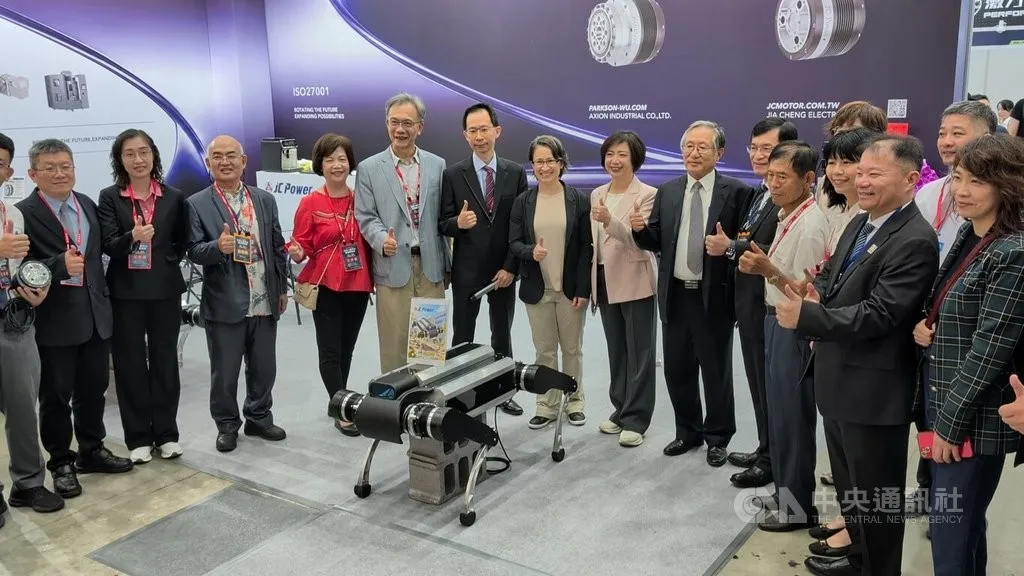
Hsiao hails Taiwan Tu Gou robot dog at Taichung dual-use AI show
Vice president tours defense pavilion as Parkson Wu and Jia Chen unveil an all-Taiwan quadruped robot pitched for patrol, transport, and special-environment roles.
TaiwanDefence · 3h ago · 2 min read
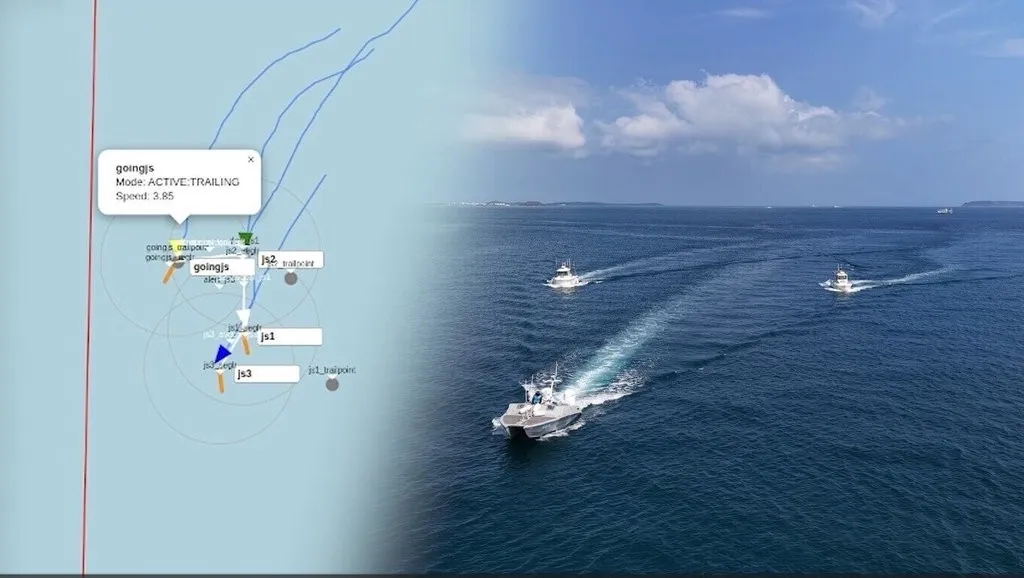
Taiwan tests AI-guided uncrewed vessels with federated learning off Kaohsiung
Ocean Affairs Council reports domestically built AI navigation and federated-learning software finished open-water USV patrol trials off Kaohsiung.
TaiwanDefence · 7h ago · 3 min read
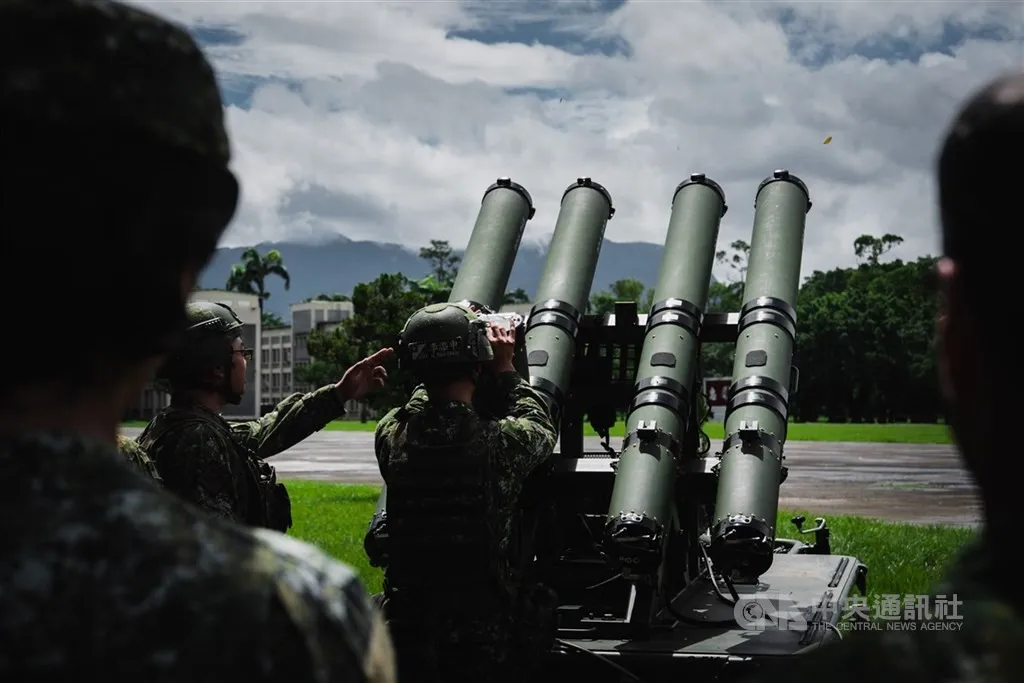
Taiwan MND preps drone buys and procurement as supplementary budget awaits vote
Defense officials say vendor briefings are done and aim for initial unmanned combat capability in 2027 once the legislature clears the NT$145.7 billion package.
TaiwanDefence · 1d ago · 3 min read
Discussion (0)
Comments are not currently available.