Tsai tells Stanford audience Taiwan is a defence and tech partner under Chinese military pressure
Former president Tsai Ing-wen told Stanford DEFCON that Chinese military and coast guard pressure is daily, and that Taiwan semiconductor capacity underwrites democratic security.
TAIPEI —
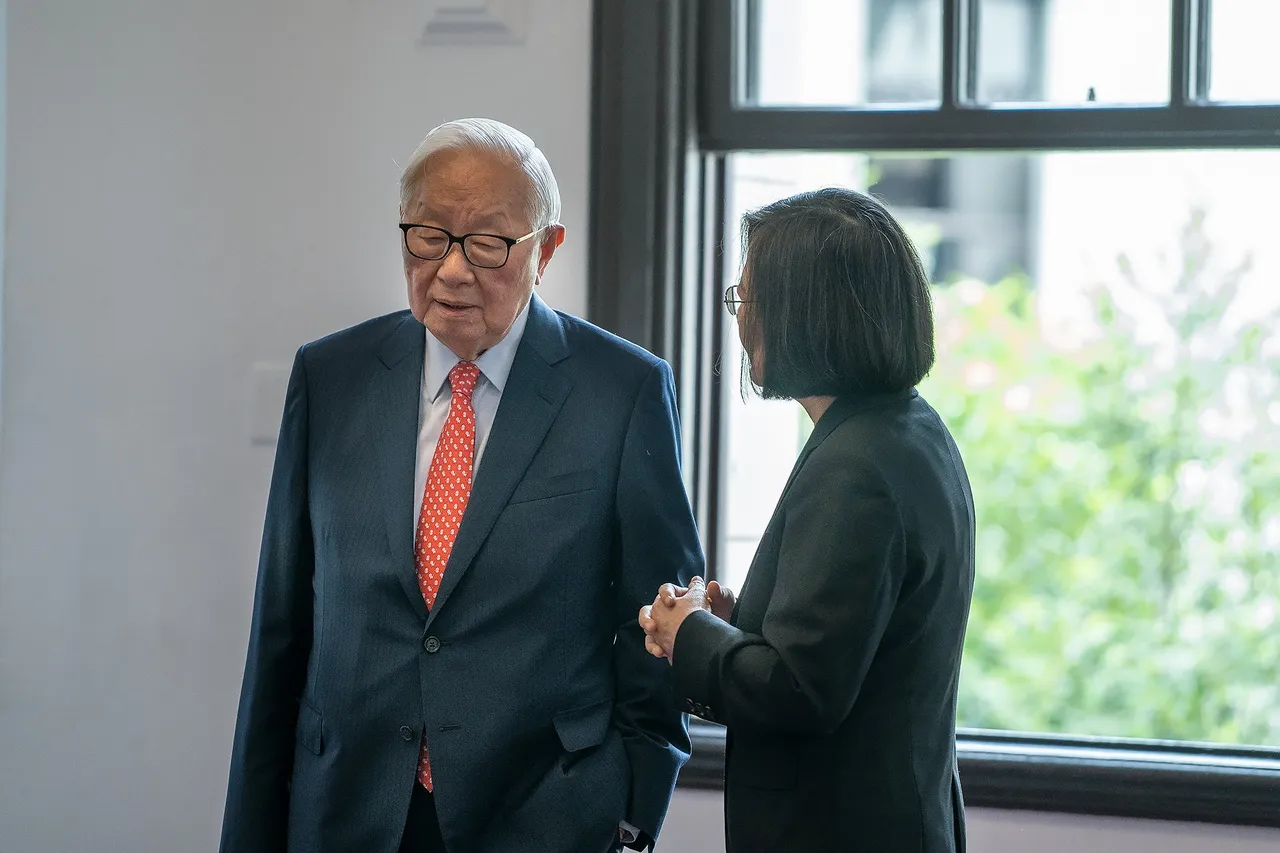
Former Taiwan president Tsai Ing-wen told a Stanford University defence and technology conference on Wednesday, 7 October, that deeper cooperation with Taiwan strengthens Indo-Pacific security because the island supplies critical technology while facing sustained Chinese military pressure, Focus Taiwan reported.
Speaking at Stanford DEFCON 2026 in a talk titled Building Security Together: Taiwan Role in Global Stability, Tsai said Chinese military aircraft and ships as well as coast guard vessels operate regularly around Taiwan, while cyberattacks, cognitive warfare, information manipulation and economic coercion have become almost daily.
She said Taiwan must prepare for a major military contingency while keeping the ability to defend itself and preserve its freedom. The Taiwan Strait is one of the world most important trade and energy routes, she said, and a serious disruption would be felt throughout the Indo-Pacific and beyond.
Tsai argued international coverage still often treats Taiwan only as a security challenge that needs outside support. She said Taiwan is among a small number of democracies that can add manufacturing capacity rather than only consume it, citing semiconductors and related hardware for artificial intelligence systems.
She said the United States accounts for about three-quarters of the world AI computing capacity, while Taiwanese companies manufacture nearly all of the advanced accelerators used in those systems and around 90 percent of the AI servers built around them. Taiwanese firms also produce radio-frequency chips and circuit boards used in communications and satellite systems, she said.
Taipei Times reported that Tsai told the US audience Chinese pressure is sustained and that Taiwan wants to be treated as a partner in building resilient defence and technology supply chains, not only as a recipient of security help. She linked civilian industrial strength to national defence as the line between commercial and military technology continues to blur.
A secure and resilient Taiwan contributes to a more stable Indo-Pacific, while its technological and industrial strengths reinforce trusted supply chains and reduce vulnerabilities far beyond the region, Tsai said according to Focus Taiwan. Deeper cooperation with Taiwan therefore strengthens not only Taiwan own security but also the resilience of the wider democratic community, she said.
The speech comes as Taipei presses Washington on stalled arms packages and joint work on drones and artificial intelligence tools. Tsai framing casts Taiwan factories and chip lines as part of the defence problem set, not only as commercial assets, at a moment when Chinese gray-zone air and sea activity around the island remains a daily operational burden for the armed forces and coast guard.
Sources
More in Industry
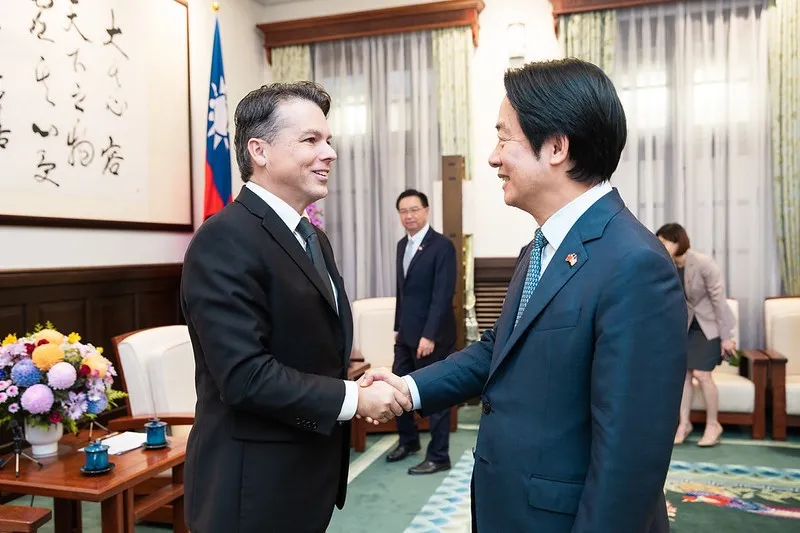
Lai asks visiting US lawmakers to move from arms sales to joint development and production of drones
Meeting two congressional delegations before National Day, Taiwan's president said Taipei and Washington should co-develop drone, counter-drone and AI decision-support systems.
TaiwanDefence · 2h ago · 3 min read
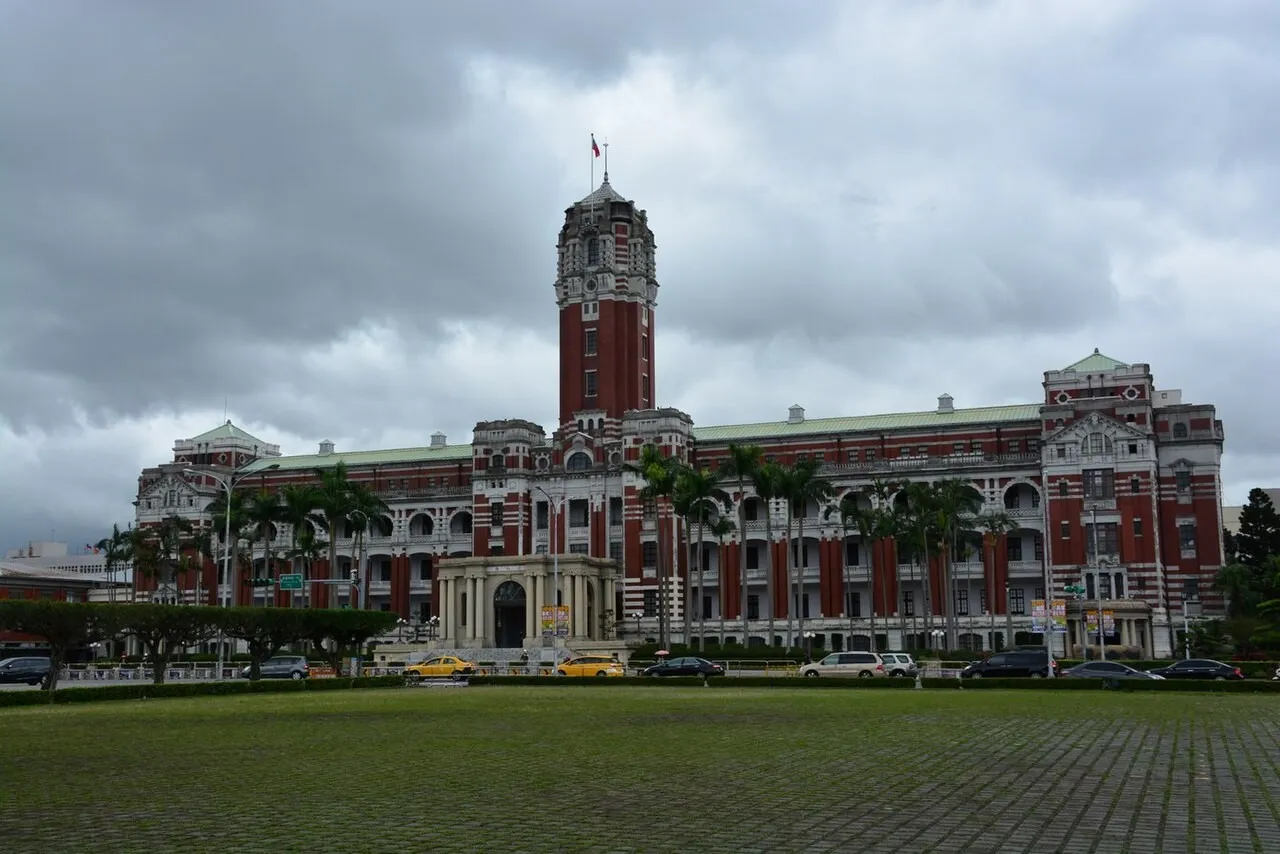
Lai presses US lawmakers to move from arms sales to joint drone and AI development with Taiwan
President Lai Ching-te told two visiting US congressional delegations on 8 October that Taiwan wants to co-develop and co-produce drones, counter-drone systems and AI tools.
TaiwanDefence · 1d ago · 3 min read
Saronic urges Taiwan to buy reusable autonomous sea drones as grey-zone patrols wear down crews
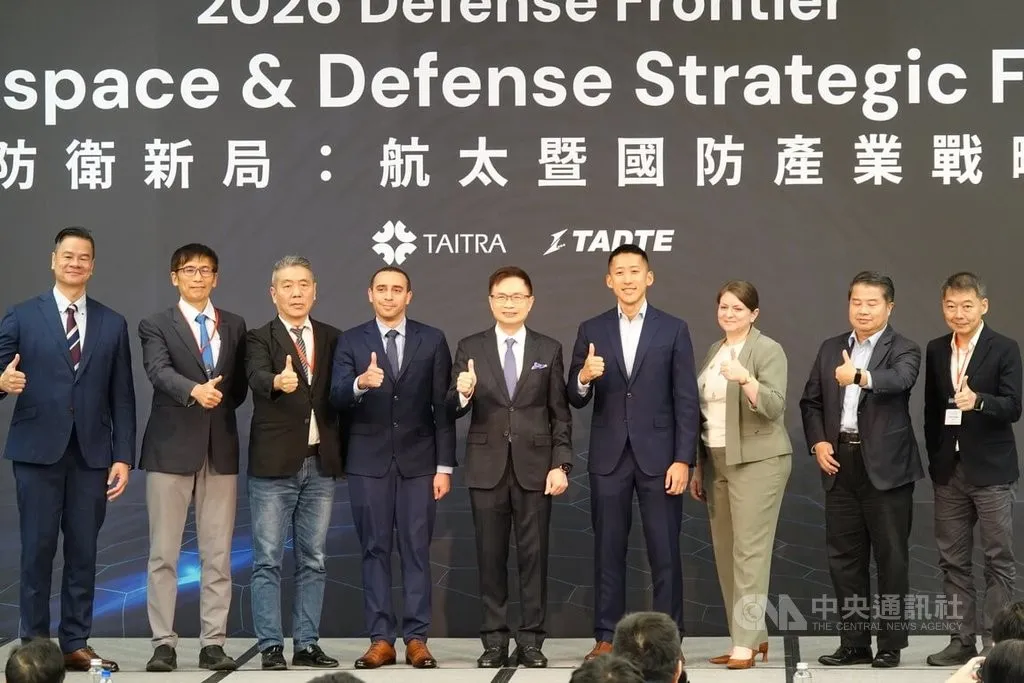
At a TAITRA defence forum in Taipei on 7 October, US firms argued autonomy would spare ships and sailors, as the trade body unveiled a guide to Taiwan's uncrewed-systems makers.
TaiwanDefence · 2d ago · 3 min read
Discussion (0)
Comments are not currently available.