
Tsai to keynote Stanford DEFCON on tech, defense and national resilience
The former president will open Stanford's Technology and National Security Conference on Oct. 7, her first U.S. trip since leaving office, focusing on semiconductors, partnerships, and defense resilience.

TAIPEI —
Former President Tsai Ing-wen will deliver the opening keynote at Stanford DEFCON's 2026 Technology and National Security Conference on Oct. 7, her first trip to the United States since leaving office in 2024, Focus Taiwan reported. Her office said she will discuss Taiwan's experience in critical technologies and semiconductors alongside partnerships, defense, and national resilience.
Stanford's Gordian Knot Center for National Security Innovation announced the invitation on social media, describing Tsai's presidency as spanning an increasingly complex Indo-Pacific security environment. The conference is designed as a cross-domain forum linking academia, government, defense, and technology industry audiences around artificial intelligence, unmanned systems, space technology, and commercial intelligence.
Office spokesperson Tsai Shu-ching said Stanford DEFCON aims to turn emerging technology debates into practical national-security tools. She cast Tsai's remarks as a chance for international audiences to better understand Taiwan's role on the technology and democracy front lines while facing new balances among innovation, resilience, and security.
Separately, Stanford's Hoover Institution has invited Tsai to speak on Oct. 8 about democracy, resilience, and global security through its Taiwan in the Indo-Pacific Region program with Stanford in Government, according to Focus Taiwan. The twin campus appearances keep defense and democratic resilience themes on the agenda across two days.
The Straits Times, citing Reuters, noted that Beijing routinely objects to foreign travel by senior Taiwanese figures, including former leaders, and that China's foreign ministry did not immediately comment on the planned U.S. visit. Tsai has traveled to Britain, France, and Canada since leaving office, while President Lai Ching-te has not yet visited the United States under the current Trump administration.
For Taiwan defence readers, the Stanford booking matters because the agenda explicitly mixes unmanned systems and other dual-use technologies with national-security policy rather than treating the visit as a purely ceremonial alumni speech. Tsai's framing pairs semiconductor strength with defense and resilience messaging at a U.S. campus hub for Indo-Pacific security debate.
Washington remains Taipei's primary arms supplier despite the absence of formal diplomatic ties, and U.S. university national-security forums often double as venues where Taiwanese leaders brief elite policy and industry audiences. The Oct. 7 keynote therefore sits at the intersection of technology supply-chain security and conventional defense cooperation narratives.
Confirmation of the itinerary keeps attention on how Taiwan projects its defense-tech story abroad in the week after the first F-16V Block 70 jets arrived and as U.S. unmanned vendors court Taiwanese factories. Tsai's office presented the trip as experience-sharing rather than a government negotiation mission.
Sources
More in Indo-Pacific
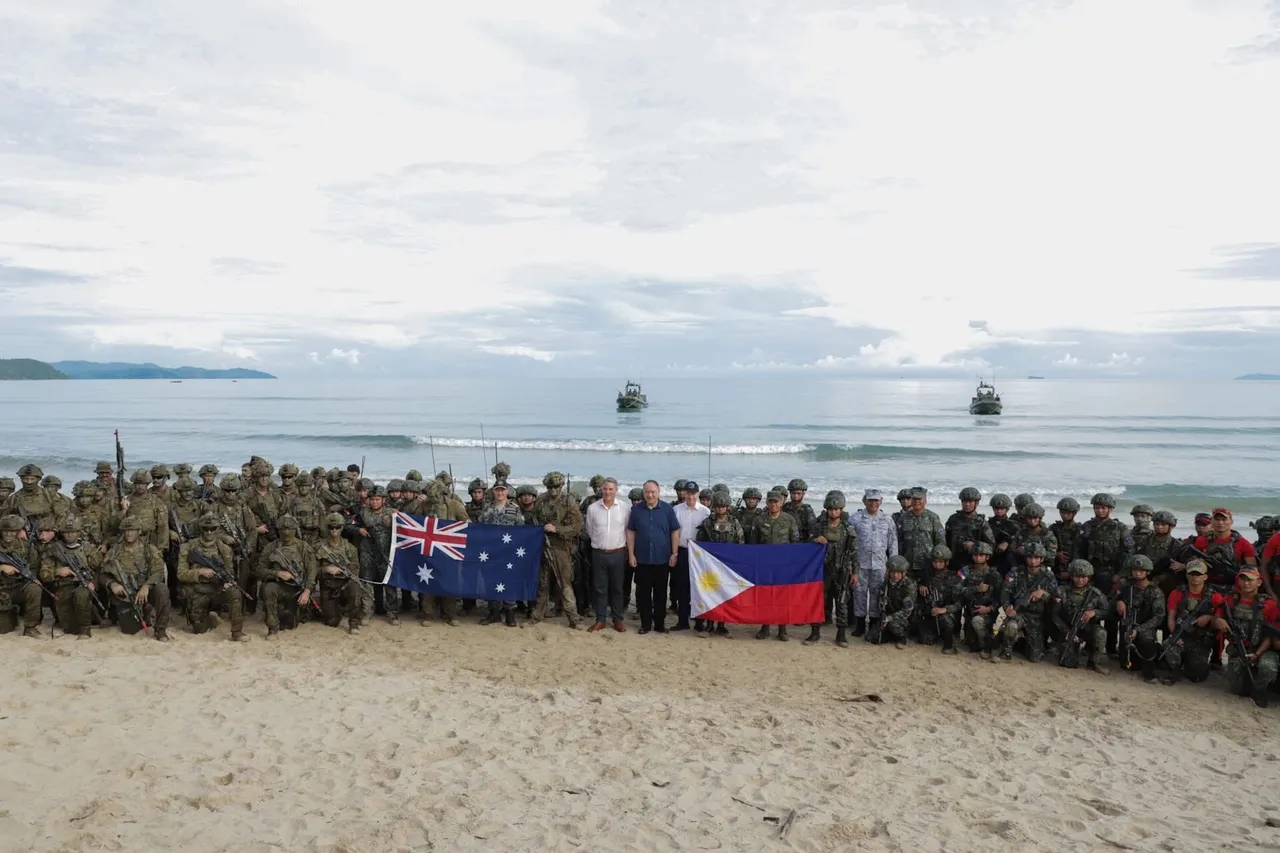
Philippines and Australia sign their new defence pact in Manila as Albanese looks on
The Defence Cooperation Arrangement replaces a 1995 memorandum and is set to deepen maritime awareness, information sharing, training and base infrastructure work.
TaiwanDefence · 2d ago · 3 min read

US Army unit in South Korea tests a cheap acoustic sensor net to catch FPV drones
Project MANOWAR, run with South Korean troops at the ROK Army Drone Academy, pairs 3D-printed listening posts with soldier-built machine learning. The unit wants it made a programme of record.
TaiwanDefence · 2d ago · 3 min read
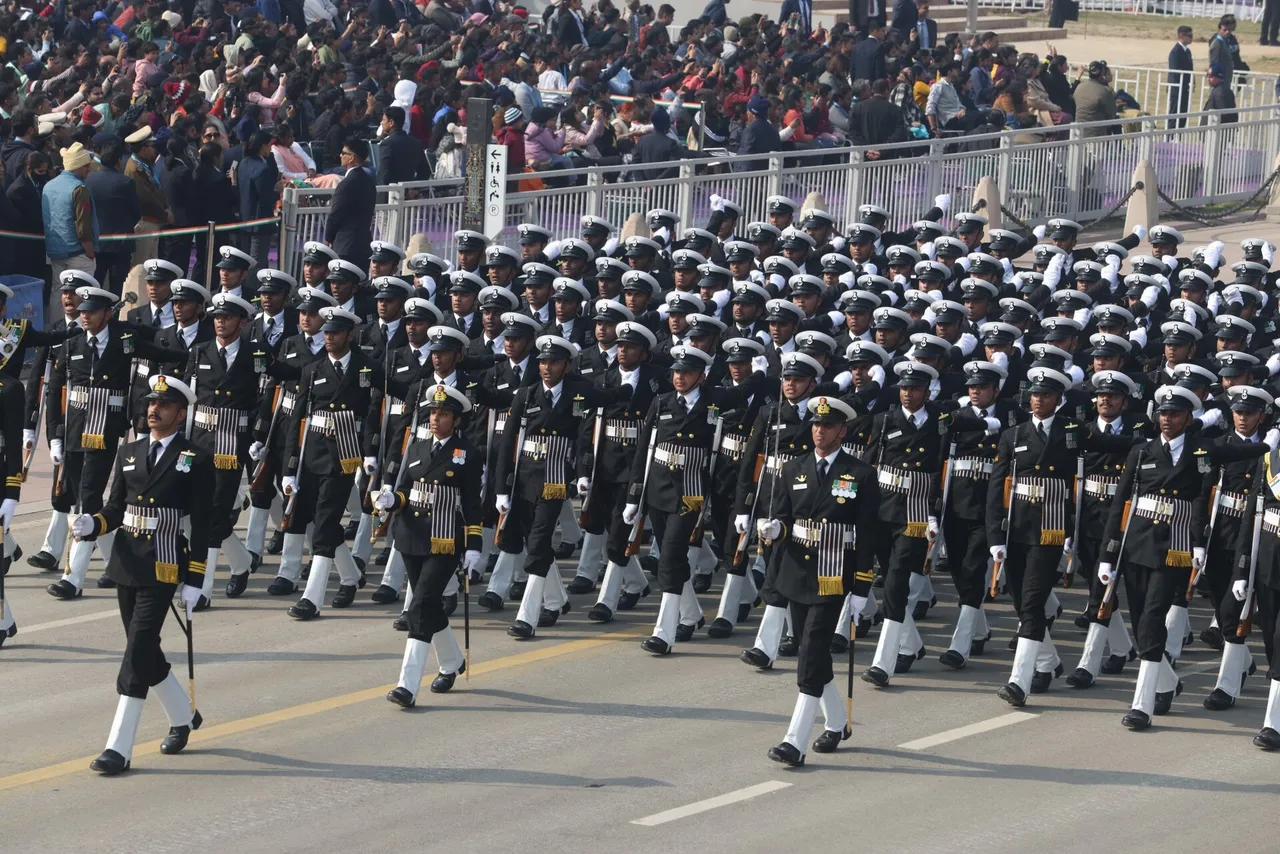
India's navy passes out its biggest recruit batch as Agniveers gain a route to permanent service
Of 3,358 trainees graduating at INS Chilka, 2,756 were Agniveers, and the navy chief told them a revamped scheme now lets them compete for full careers.
TaiwanDefence · 3d ago · 3 min read
Discussion (0)
Comments are not currently available.