US Democratic senators urge Trump to deliver Taiwan defence aid
Twenty-one Democratic senators led by Jeanne Shaheen pressed President Trump to immediately deliver congressionally approved Taiwan defence funds and arms packages.

TAIPEI —
Twenty-one US Democratic senators issued a joint statement urging President Donald Trump to immediately deliver congressionally approved defence assistance to Taiwan after his meeting with Chinese President Xi Jinping, Taipei Times and Taiwan News reported.
The senators said the commitments cover about US$1.3 billion in appropriated funds already provided by Congress, existing weapons sales still in the delivery pipeline, and a roughly US$14 billion package of new arms sales that lawmakers said had been approved nine months earlier without matching movement on the ground.
Jeanne Shaheen, ranking member of the Senate Foreign Relations Committee, led the statement. Signatories included Senate Minority Leader Chuck Schumer, Judiciary Committee ranking member Dick Durbin and Armed Services Committee ranking member Jack Reed, giving the letter senior Democratic institutional weight across foreign policy, judiciary and defence portfolios.
The text framed United States support for Taiwans self-defence as non-negotiable and argued that failing to reinforce Taipei would raise the risk of a cross-strait conflict capable of destabilising the region and the global economy. It also called for standing with Indo-Pacific allies against Chinese economic and military coercion, including renewed island-building in the South China Sea and pressure in the East China Sea.
Senators criticised Trump for rolling out the red carpet for Xi instead of confronting military aggression against US allies, arguing Washington had traded tough diplomacy for pageantry after the Washington summit. The statement also tied the arms demand to broader human-rights concerns inside China and Hong Kong, though the operative ask remained defence deliveries.
Separately, Reuters reported in late September that four Republican senators had already pressed the administration to release more than US$14 billion in stalled national security assistance for Taiwan. That earlier Republican letter shows bipartisan friction over delivery tempo even before the larger Democratic group issued its post-summit demand.
Armed Services Committee Chairman Roger Wicker, after meeting Taiwans representative to the United States Alexander Yui, separately said Congress must ensure Taiwan Relations Act authorities are used as intended and that arms decisions rest on joint military-necessity assessments rather than consultation with Beijing, citing the Six Assurances precedent.
Defence Minister Wellington Koo told reporters in Taipei that Taiwan remains in continuous talks with Washington and had received reassurances after the Trump-Xi summit that US Taiwan policy had not changed. Those reassurances sit beside congressional complaints that appropriated money and notified packages are still moving too slowly for the threat timeline lawmakers describe.
For Taiwan Defence readers, the Senate pressure lands as the first F-16V Block 70 airframes arrive at Chihhang and as Taipei watches whether larger pending packages clear political and industrial bottlenecks. Congressional letters do not themselves ship missiles or munitions, yet they raise the political cost of further abeyance inside an administration that has already publicly held a multi-billion package.
The immediate deliverables named by Democrats remain appropriated funds, notified sales already in the pipeline and the stalled multi-billion package. How quickly those lines move will shape 2027 readiness more than any single overnight ADIZ tally, because magazine depth, training munitions and long-lead systems determine whether Taiwan can sustain a fight after the first week.
Industrial reality still constrains politics. Even if the White House clears holds, US production lines for missiles, drones and spare parts face competing demand from other theatres. That is why senators are pairing speed-of-delivery language with broader calls to invest in US capacity and coordinate with allies rather than treating Taiwan as a one-off notification exercise.
Until those packages leave paperwork and enter ferry schedules, Taipeis force planners will continue to hedge with indigenous programmes, supplementary budgets and denser uncrewed systems. The Democratic letter, paired with earlier Republican pressure, is the clearest recent signal that Congress wants the Taiwan account treated as an active delivery problem, not a completed policy talking point.
This report was produced through TaiwanDefence’s automated publishing system and includes links to its supporting sources.
Sources
More in Indo-Pacific
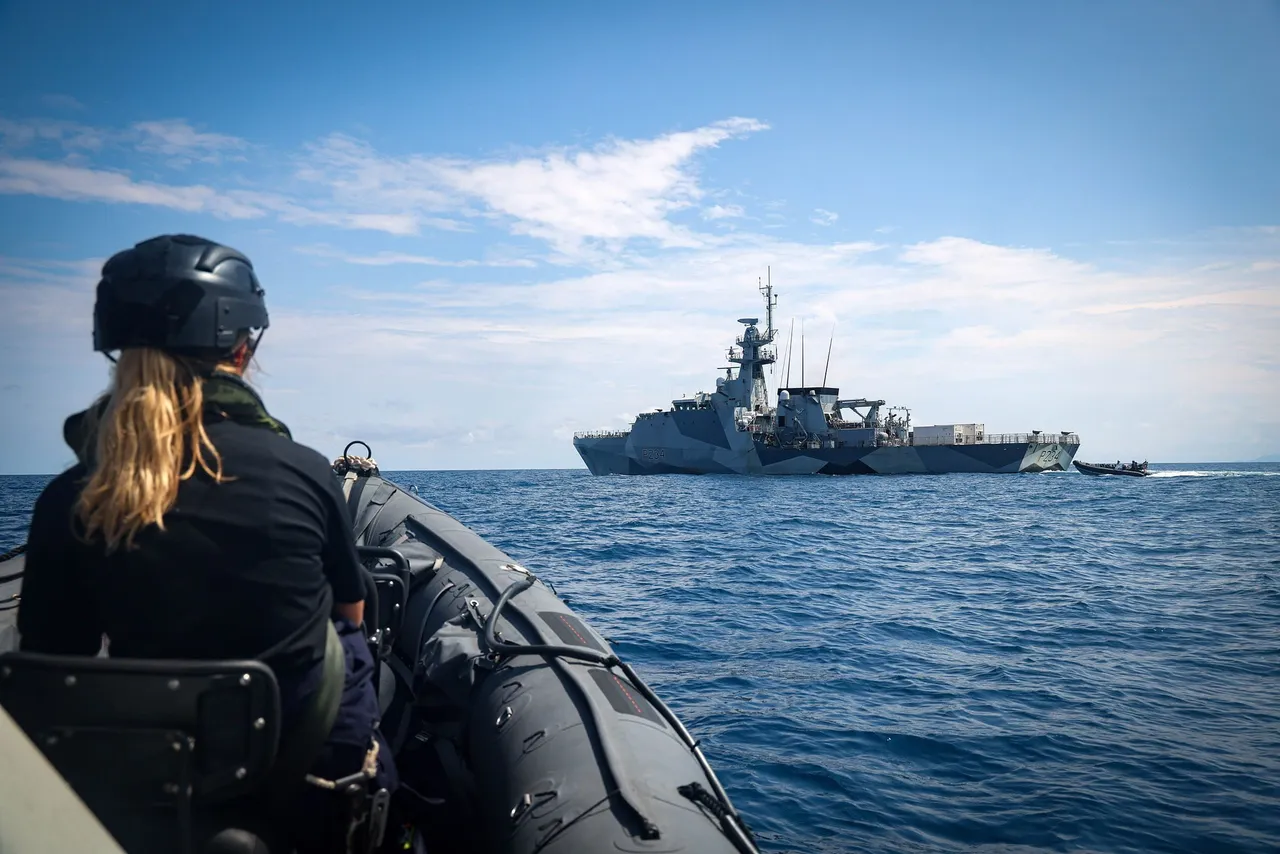
HMS Spey and Tamar join FPDA Bersama Lima from 12 October
The Royal Navy says the two patrol ships will spend ten days with Australia, Malaysia, New Zealand and Singapore in a South China Sea drill from 12 October.
TaiwanDefence · 3h ago · 3 min read
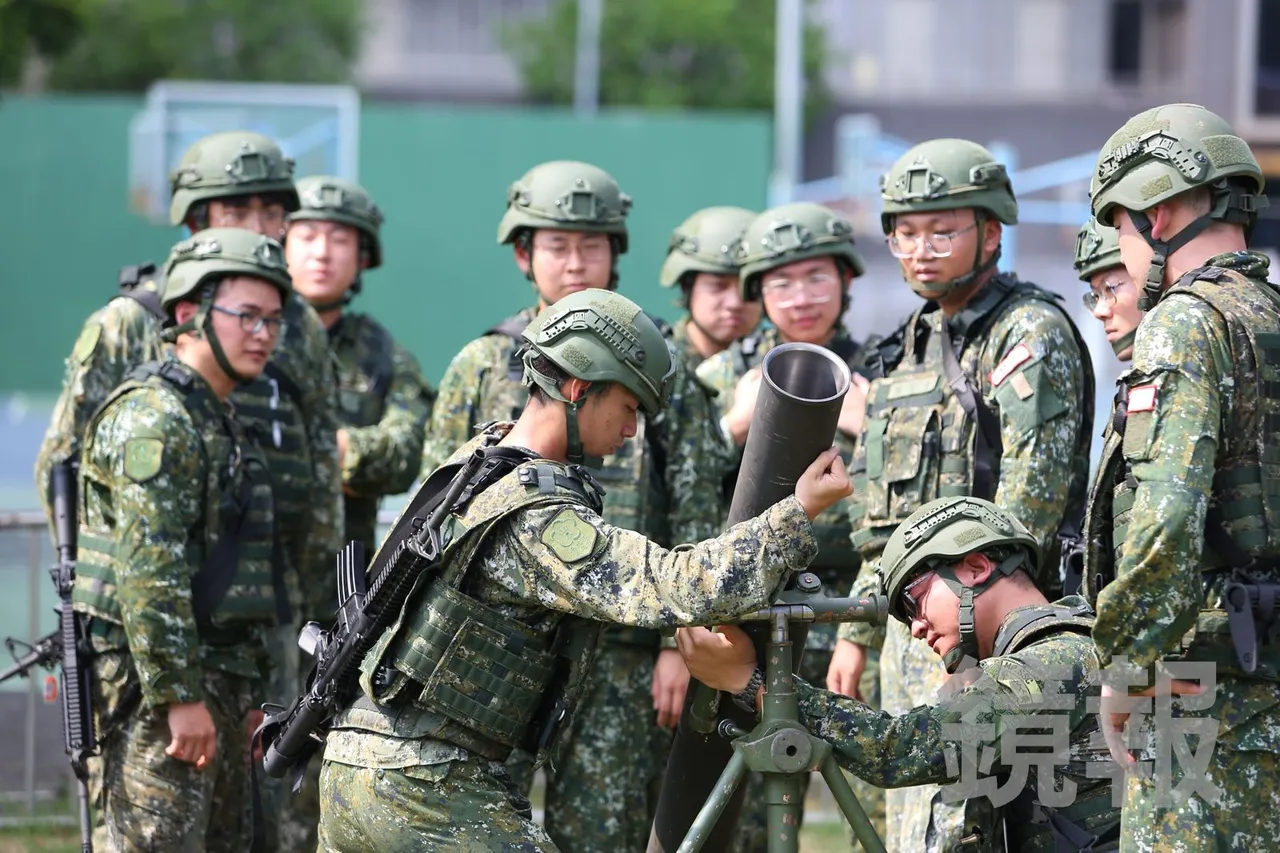
Pentagon plans two long-term staff inside Taiwan's defence ministry
Two Taipei reports say the Pentagon will station a policy official and a defence-analysis expert inside the ministry under a NT$470 million assessment.
TaiwanDefence · 4h ago · 3 min read

Tsai to keynote Stanford DEFCON on tech, defense and national resilience
The former president will open Stanford's Technology and National Security Conference on Oct. 7, her first U.S. trip since leaving office, focusing on semiconductors, partnerships, and defense resilience.
TaiwanDefence · 7h ago · 2 min read
Discussion (0)
Comments are not currently available.