
US Navy moves to arm B-52 bombers with stealthy LRASM anti-ship missiles
A sole-source notice to Lockheed Martin revives a stalled plan that analysts say would make US bombers a key threat to Chinese warships in a Taiwan war.
TAIPEI —
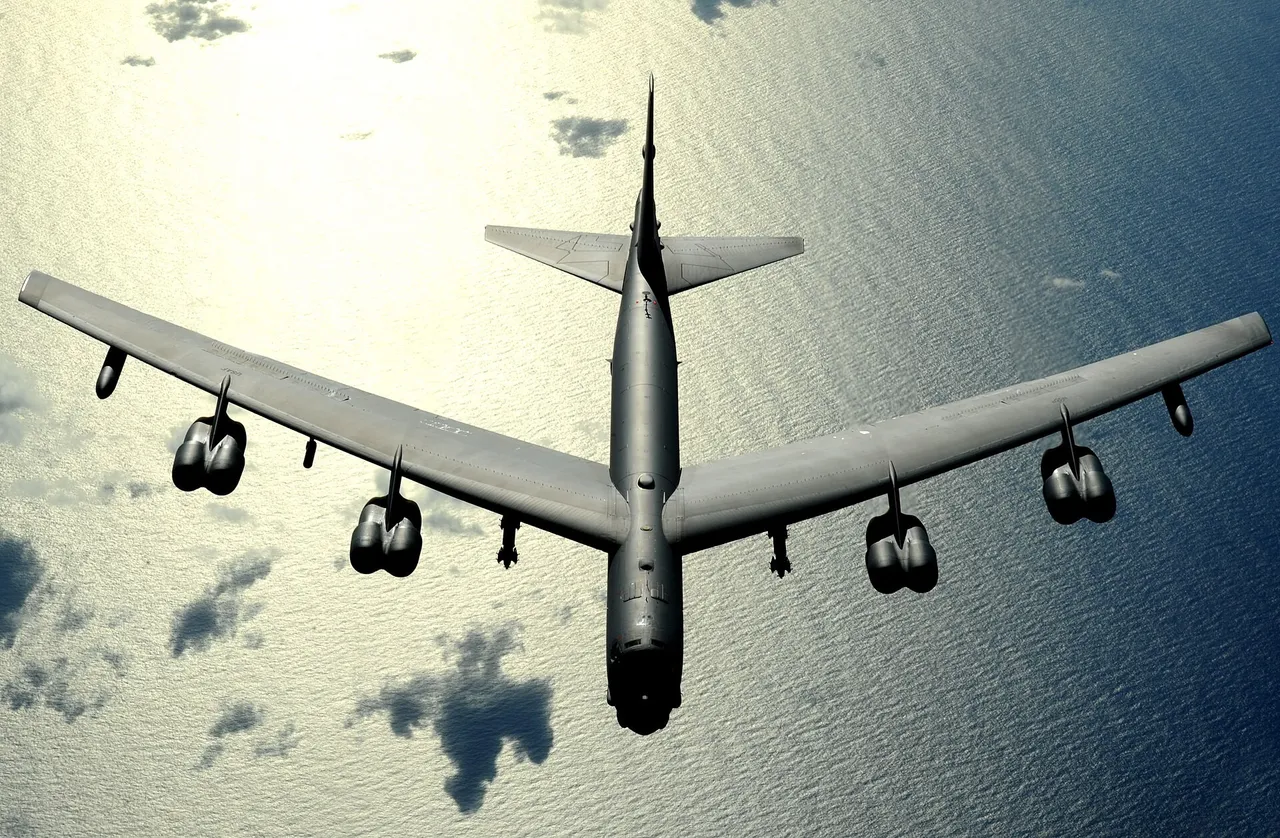
The US Navy has moved to put Lockheed Martin's AGM-158C Long Range Anti-Ship Missile (LRASM) on the Air Force's B-52H Stratofortress bombers, reviving an integration effort that stalled several years ago. A Naval Air Systems Command (NAVAIR) notice posted on 7 October says the command intends to negotiate on a sole-source basis with Lockheed's Missiles and Fire Control unit and then award it a cost-plus-fixed-fee delivery order for the work.
The order would cover missile software updates, associated testing, repair of test assets and failure review boards, according to the notice. NAVAIR, which manages LRASM procurement, says Lockheed alone has the knowledge, experience and technical data to meet the requirement in the time needed. No price or schedule has been agreed, and responses to the notice are due by 22 October.
Up to 20 missiles per bomber
The B-52 can already carry up to 20 Joint Air-to-Surface Standoff Missiles (JASSM), eight on an internal rotary launcher and six on each wing pylon. LRASM is derived from the JASSM and shares its general shape and dimensions, but the notice does not say how many of the anti-ship missiles a B-52 would carry.
LRASM is built to find and hit high-value warships in heavily defended waters. It combines GPS-aided inertial navigation with an imaging infrared seeker, an onboard electronic support measures system for route planning and a datalink for threat updates in flight. Its range has not been disclosed, though the baseline missile is reported to reach targets roughly 200 to 300 miles away.
The idea is not new. Naval News reported in 2019 that 10 million dollars had been set aside to study B-52 integration, but Lockheed confirmed to FlightGlobal in 2023 that the work was no longer under way. The missile is already cleared on the B-1B bomber and the Navy's F/A-18E/F, is being tested on the F-35 and the P-8A patrol aircraft, and was fired from a B-2 bomber during a sinking exercise over the Philippine Sea in June, even though the B-2 is not formally certified for it.
Why it matters for Taiwan
A 2022 unclassified wargame by the Center for Strategic and International Studies concluded that arming US bombers with LRASMs would be among the most important American capabilities for defeating an invasion of Taiwan, FlightGlobal reported. Mark Cancian, the retired Marine colonel who led that wargame, told the publication on 9 October that putting the missile on the B-52 was critical to US success in a western Pacific conflict with China, because the bomber can carry many missiles and fly from bases outside China's defensive zone.
Mark Gunzinger, a retired Air Force colonel and former B-52 pilot now at the Mitchell Institute, told Air & Space Forces Magazine that a handful of B-52s could deliver more weapons on maritime targets each day, and over much longer ranges, than the Navy's carrier-based aircraft.
Supply is the catch. Lockheed builds JASSM and LRASM on shared lines that turn out only around 1,000 missiles a year combined, FlightGlobal reported, so a new launch platform would add capacity to strike an invasion fleet from a distance but would also compete with fighters and bombers already waiting for the same missiles.
Sources
- SAM.gov (Naval Air Systems Command)Document N00019-26-RFPREQ-WPM201-0237
- The War Zone (TWZ)
- Air & Space Forces Magazine
- FlightGlobal
More in Industry
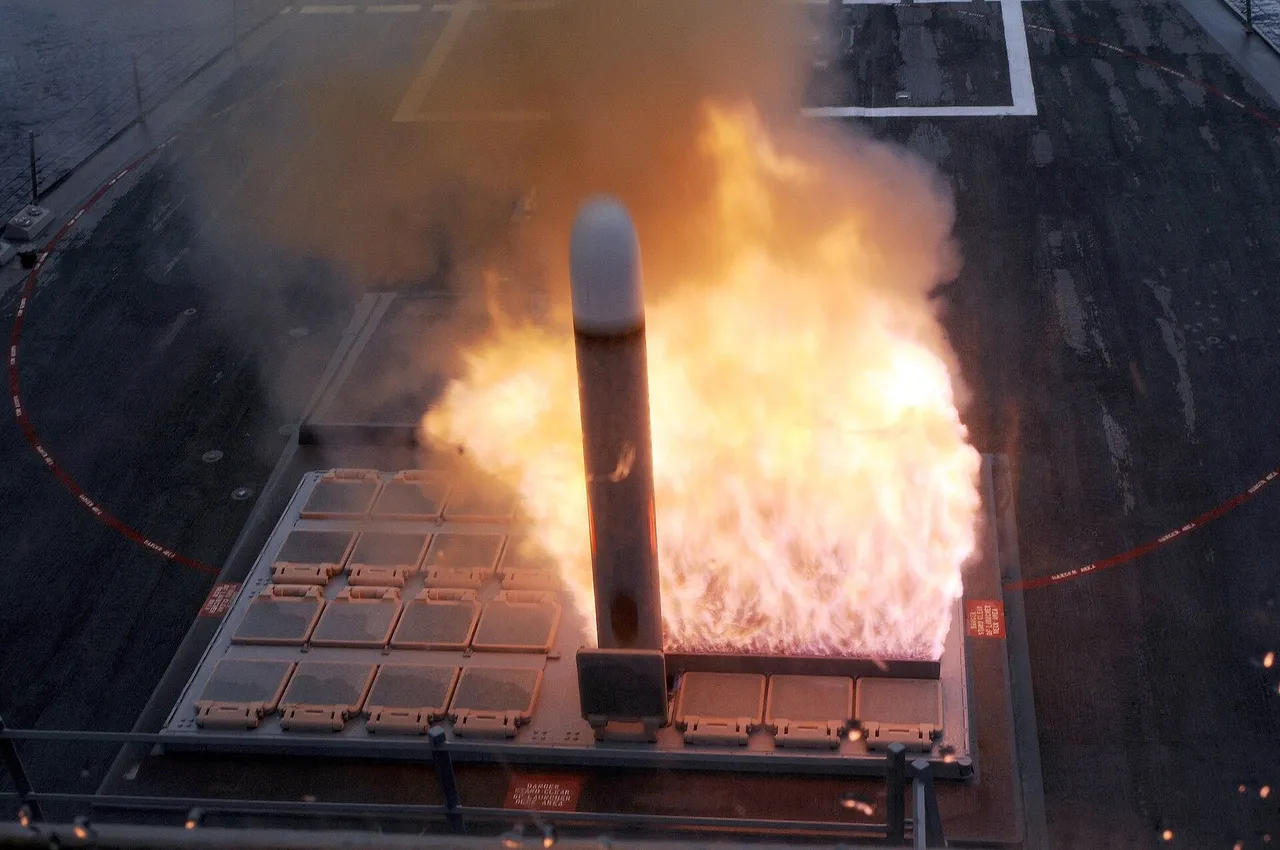
US Navy moves Tomahawk's bunker-busting JMEWS warhead into production with Raytheon
A sole-source notice moves the two-stage warhead for the Tomahawk Block Vb out of development, as the Navy rebuilds a cruise missile stockpile drawn down by the Iran campaign.
TaiwanDefence · 2h ago · 2 min read
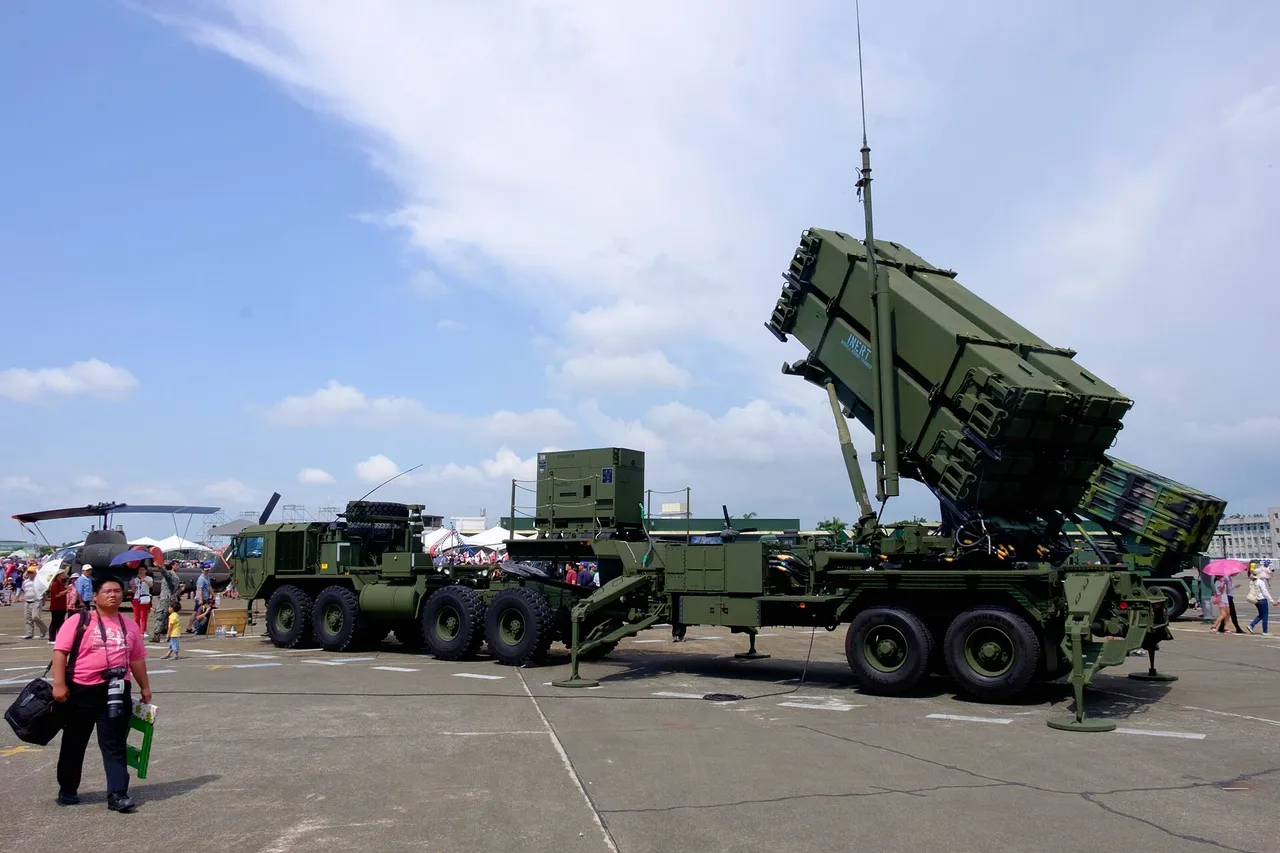
Lockheed unveils PAC-3 Edge, a longer-range Patriot interceptor aimed at hypersonic threats
The US Army Future Interceptor entry is due to start testing in 2027 and deploy by 2031, building on the PAC-3 MSE that Taiwan is buying.
TaiwanDefence · 3h ago · 2 min read
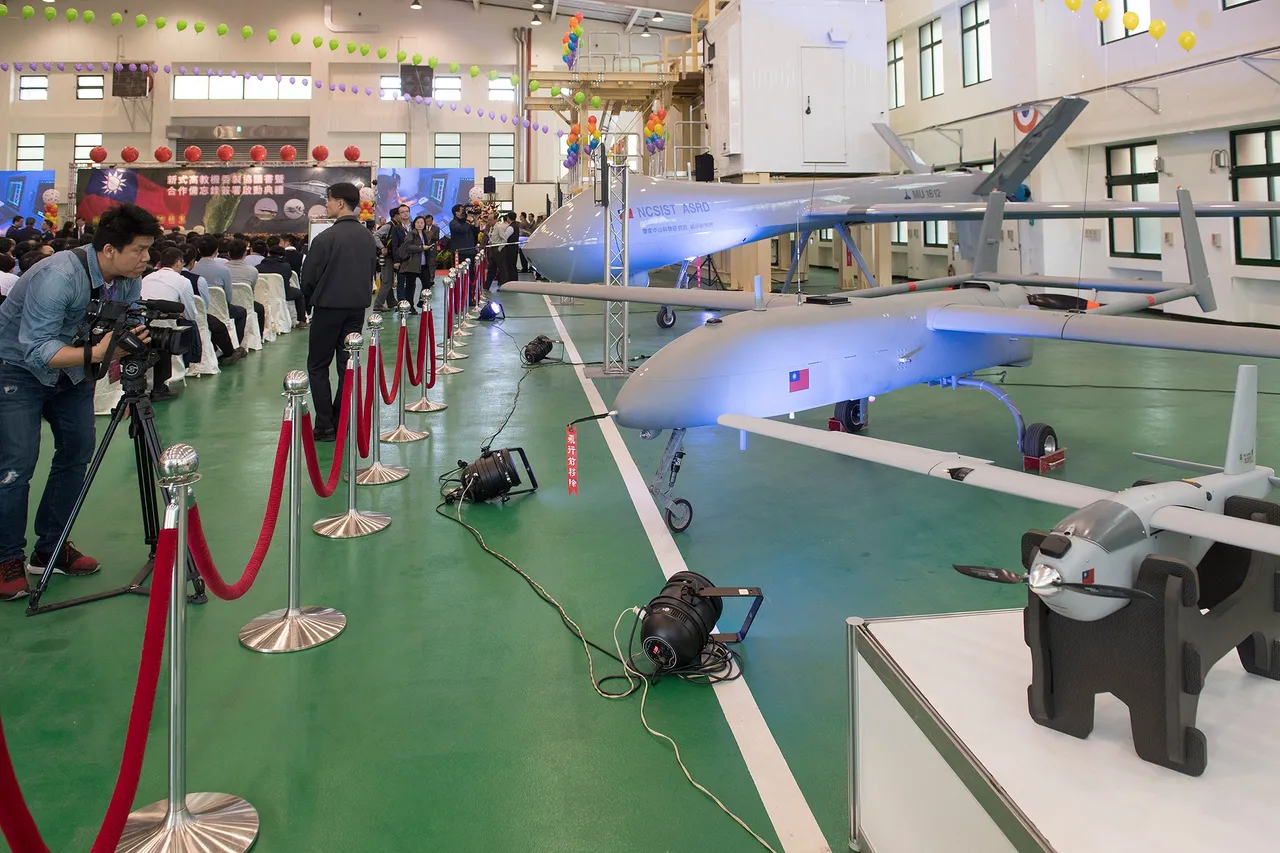
Taiwan more than doubles drone R&D subsidies, with AIDC's jam-resistant cargo drone taking the top award
The economy ministry approved 27 drone projects worth about NT$780 million, led by an AIDC heavy-lift drone designed to keep flying without GPS and under signal interference.
TaiwanDefence · 13h ago · 2 min read
Discussion (0)
Comments are not currently available.