
US Navy moves Tomahawk's bunker-busting JMEWS warhead into production with Raytheon
A sole-source notice moves the two-stage warhead for the Tomahawk Block Vb out of development, as the Navy rebuilds a cruise missile stockpile drawn down by the Iran campaign.
TAIPEI —
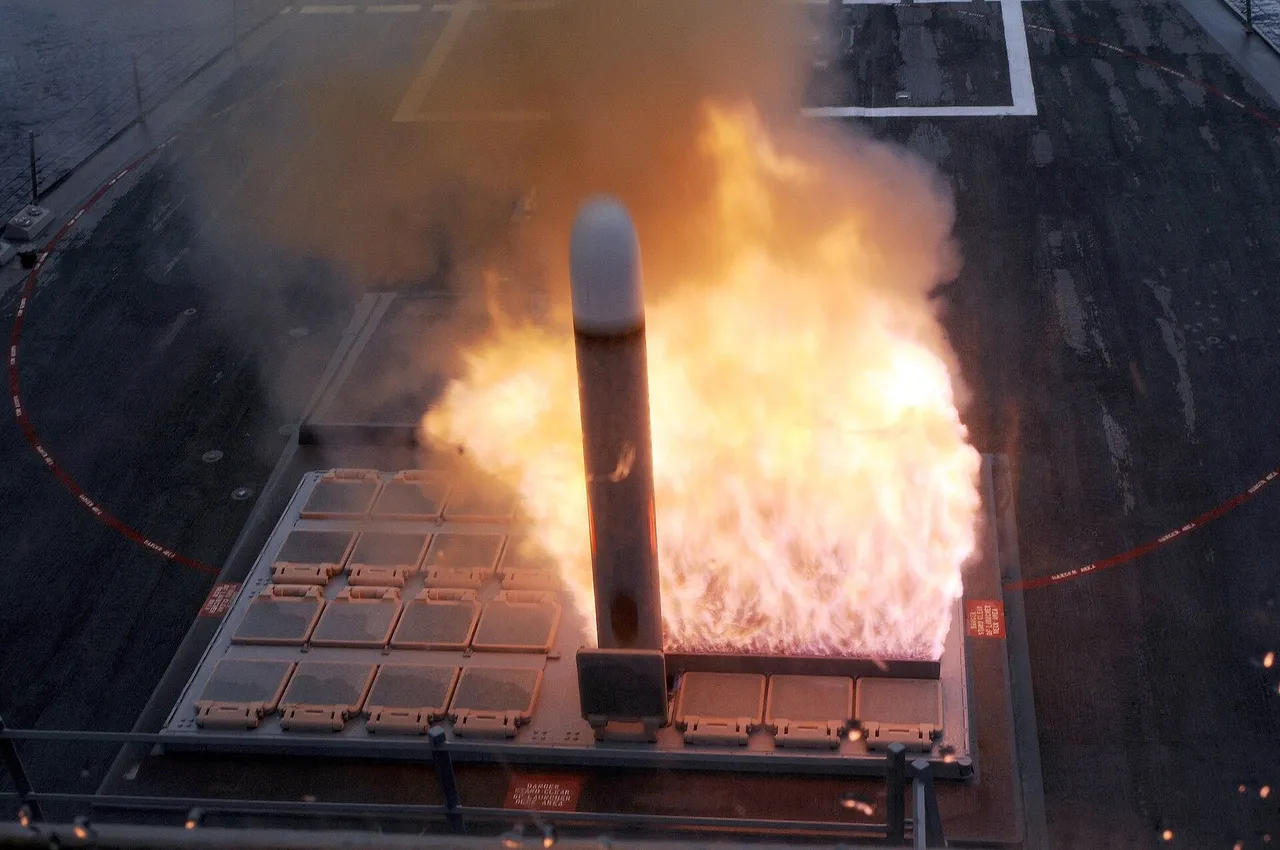
The US Navy plans to award Raytheon a sole-source contract for low-rate initial production of the Joint Multiple Effects Warhead System, or JMEWS, the two-stage warhead designed to let the Tomahawk cruise missile destroy bunkers and other hardened targets. The Tactical Tomahawk programme office at Naval Air Systems Command posted the notice of intent on Wednesday, 7 October, saying the step moves JMEWS from engineering and manufacturing development into production. The warhead suites are intended for the Tomahawk Block Vb variant.
The notice does not give a contract value, a quantity of warheads or a delivery schedule, according to Defense War Room and the Liberty Times. It is not a request for competitive proposals: other firms may submit capability statements until 22 October, which the Navy says it will consider, but the service intends to negotiate only with Raytheon under the federal acquisition rule that allows a single responsible source.
The Navy justified the choice by saying Raytheon's Tucson, Arizona, business has been the sole developer, designer and manufacturer of Tomahawk since 1994, that RTX alone holds the missile's current configuration and manufacturing data, and that it is the only known source able to meet the required timeframe without duplicating costs. Tomahawk technical data is export controlled and not available to foreign sources.
What the new warhead adds
Tomahawk land-attack missiles have carried a 1,000-pound-class unitary warhead optimised for blast and fragmentation. JMEWS keeps that blast-fragmentation effect and adds penetration in one two-stage package, in which a forward charge breaches reinforced structure and a follow-through element then passes through the opening and functions inside the target, Defense War Room reported. The Navy designed it for bunkers, underground facilities, missile sites and large-area targets.
Raytheon received a 90.4 million dollar contract in February 2020 to design, integrate and test JMEWS for Tomahawk, and the Navy had previously planned for the JMEWS-equipped version to reach initial operational capability in 2027, the Liberty Times reported. The newspaper said a Pentagon test report for fiscal 2023 showed some JMEWS trials had been completed and live-fire testing had been due by the end of September 2026, but no final lethality assessment has been published.
Block Vb is one branch of the Tomahawk Block V modernisation, which upgrades navigation and communications and recertifies existing Block IV missiles to extend their service lives. The Navy received its first Block V missile in March 2021. A separate Block Va variant, known as Maritime Strike Tomahawk, adds a seeker so the missile can hit moving ships, while Block Vb is focused on hardened targets on land.
Rebuilding the stockpile
The production step comes as the Navy works to replenish Tomahawk stocks used in Operation Epic Fury, the US campaign against Iran that began on 28 February 2026. Defense War Room cited a Center for Strategic and International Studies estimate that 319 Tomahawks were launched in the first week alone, and said Raytheon received a seven-year contract worth 22.9 billion dollars in August intended to lift annual output above 1,000 missiles.
For navies in the Indo-Pacific that field or are buying Tomahawk, the Block V upgrade path and the warhead choice now moving into production will shape what the missile can do against hardened coastal and command targets, though the notice itself covers only US Navy production.
Sources
- SAM.gov (Naval Air Systems Command)Document N00019-26-RFPREQ-WPM280-0311
- Defence Blog
- Defense War Room
- Liberty Times Net (Military)
- Times of Defence
More in Industry
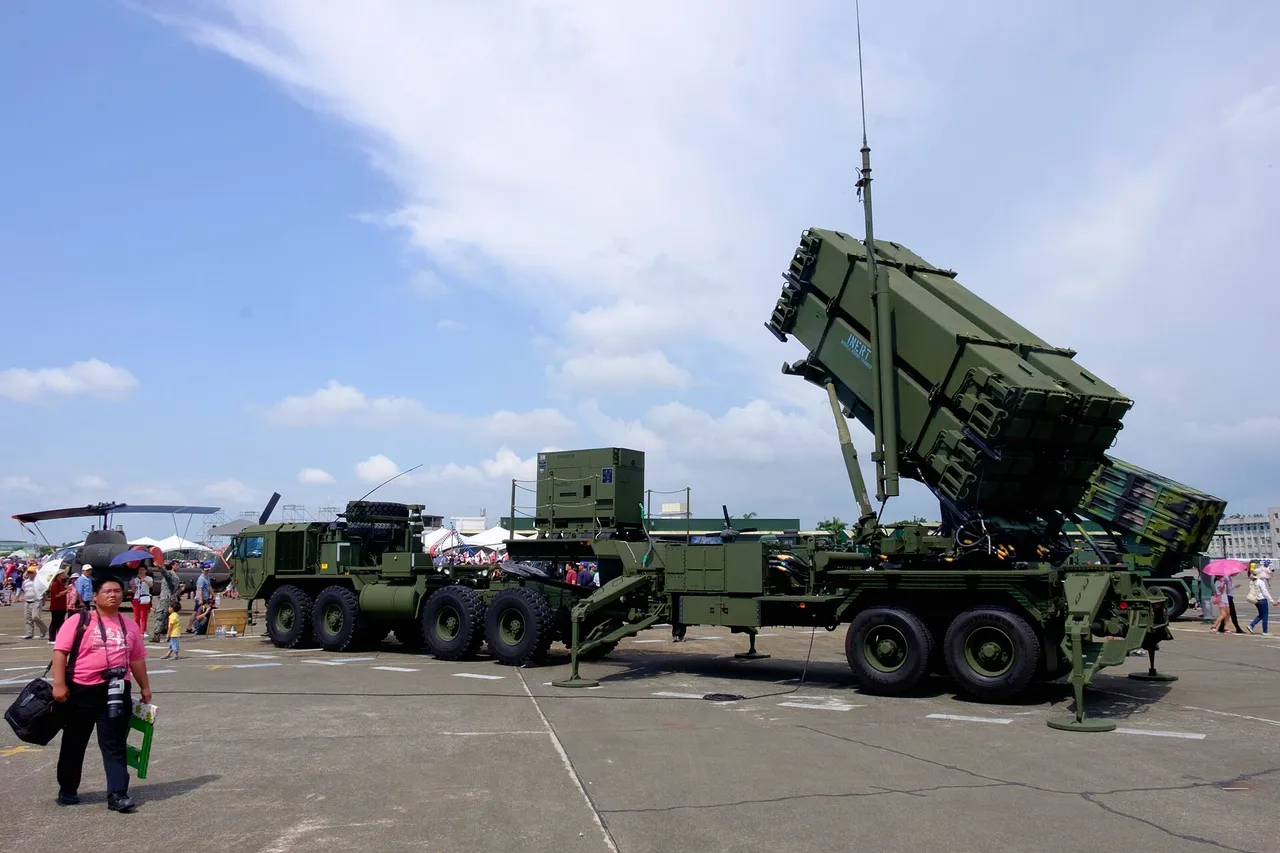
Lockheed unveils PAC-3 Edge, a longer-range Patriot interceptor aimed at hypersonic threats
The US Army Future Interceptor entry is due to start testing in 2027 and deploy by 2031, building on the PAC-3 MSE that Taiwan is buying.
TaiwanDefence · 1h ago · 2 min read
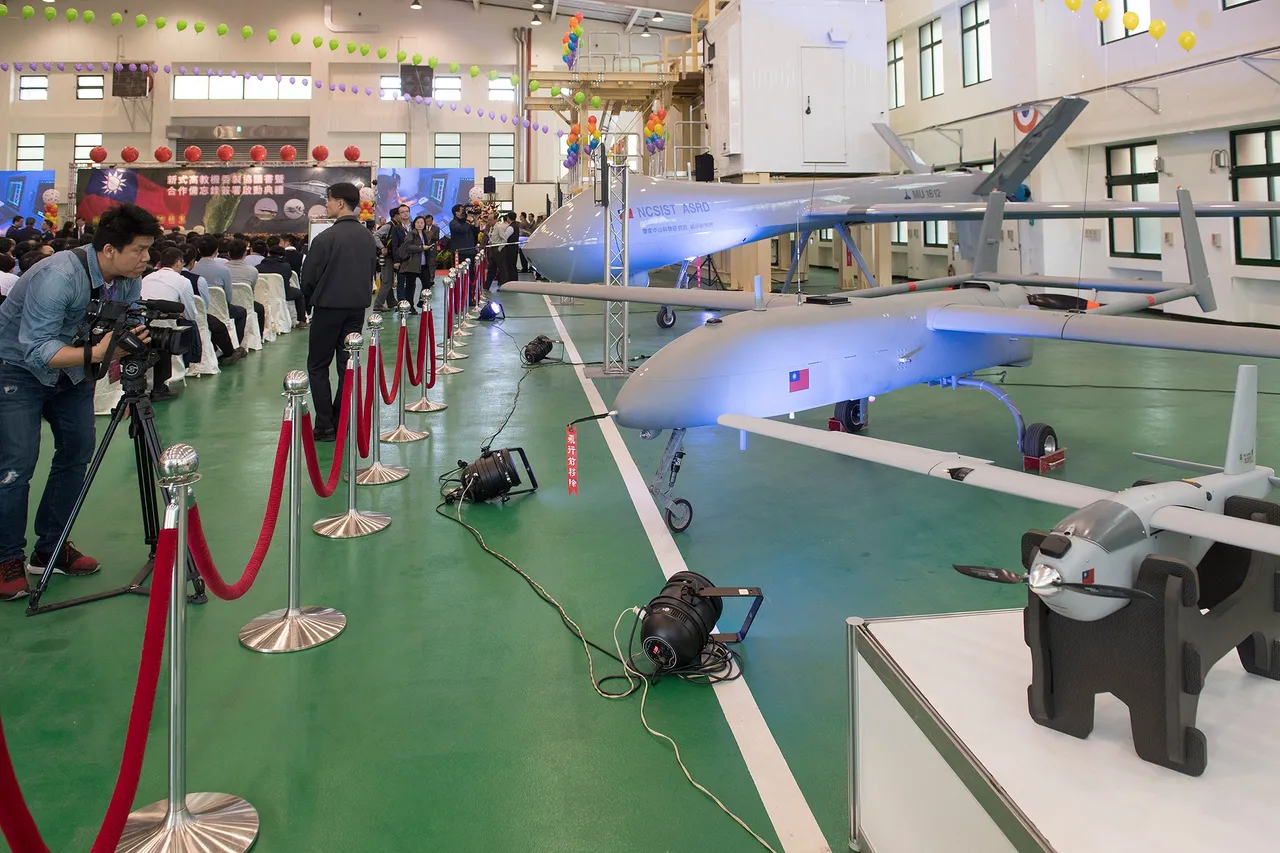
Taiwan more than doubles drone R&D subsidies, with AIDC's jam-resistant cargo drone taking the top award
The economy ministry approved 27 drone projects worth about NT$780 million, led by an AIDC heavy-lift drone designed to keep flying without GPS and under signal interference.
TaiwanDefence · 11h ago · 2 min read

Lai asks visiting US lawmakers to move from arms sales to joint development and production of drones
Meeting two congressional delegations before National Day, Taiwan's president said Taipei and Washington should co-develop drone, counter-drone and AI decision-support systems.
TaiwanDefence · 13h ago · 3 min read
Discussion (0)
Comments are not currently available.