
US Navy study of foreign frigates, including South Korea's Chungnam class, nears its deadline
Korean reports say the Navy will finish assessing Korean, Japanese, Turkish and British designs by 12 November, though no competition has been launched.
TAIPEI —
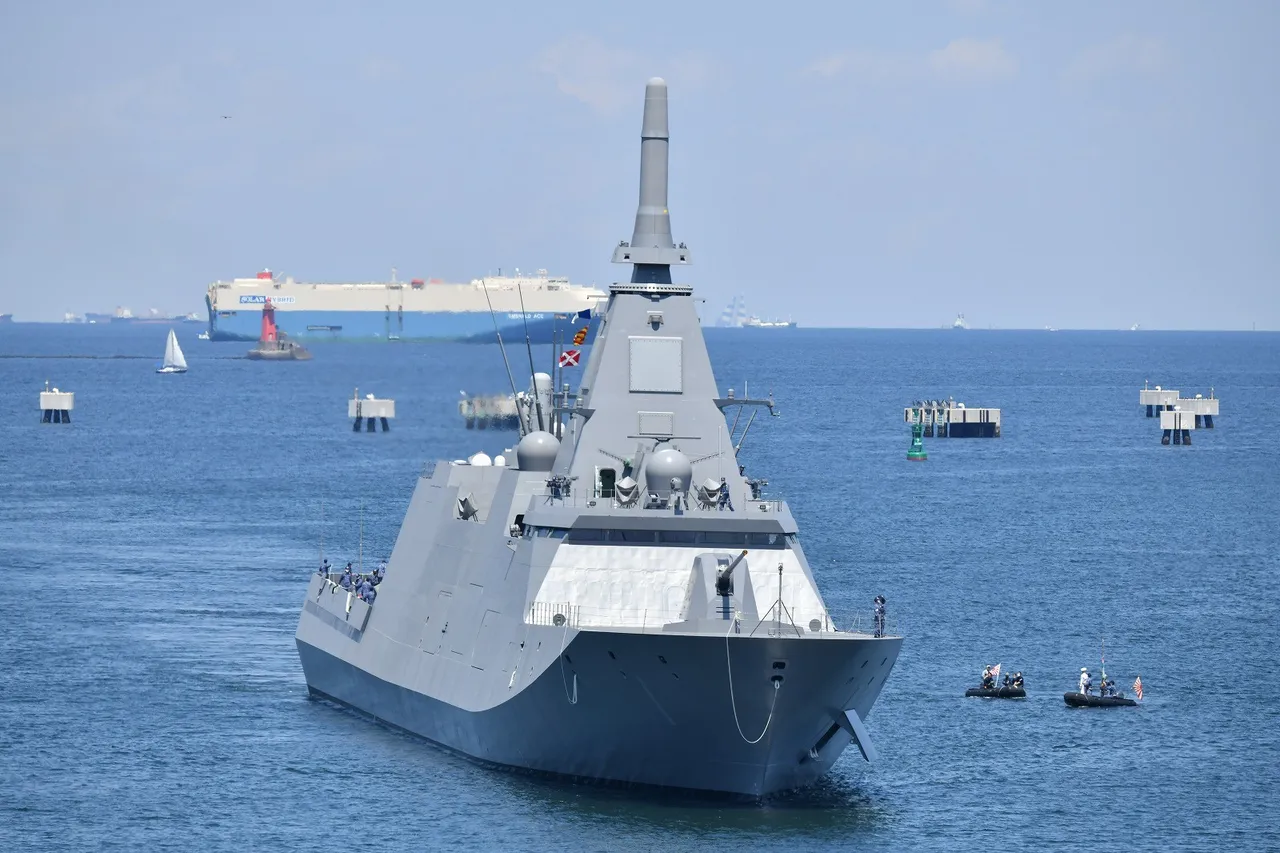
South Korea's Chungnam-class frigate is among the foreign warship designs the US Navy is studying as it looks for a quicker way to add surface combatants, and the Navy is due to finish its assessment of foreign designs and construction options by 12 November, South Korean media reported on Sunday and Monday. The Seoul Economic Daily, citing the naval affairs outlet USNI News, said designs from South Korea, Japan and Turkey were under consideration and that Britain had recently joined the field.
The four designs named in the reports are the Chungnam class, also known as the Ulsan-class Batch III, an export version of Japan's Mogami class, Turkey's Istanbul class and Britain's Type 31. Asia Today, in a report translated and published by UPI, stressed that the review is not a formal procurement competition and that no design or preferred contractor has been chosen. An industry official told the paper that handing over the findings would mark only a first milestone and would not by itself lead to a competition or a selection.
The study follows a presidential memorandum issued in August on rebuilding the US Navy and the country's shipbuilding industrial base. According to UPI's translation, the memo called for new competitive procurement options for surface combatants able to carry out anti-submarine warfare, surface warfare and escort missions. The War Zone reported in September that USNI News had first disclosed the inclusion of the Japanese, South Korean and Turkish frigates in the Navy review, citing industry sources.
A central feature of the approach is what the administration calls the Finland model. Under it, up to two initial ships could be built at overseas yards before production moves to the United States, and foreign builders would have to build or buy American shipyards, hire and train local workers and transfer technology. Hanwha Ocean bought the Philly Shipyard in Pennsylvania in 2024, while HD Hyundai Heavy Industries has announced a joint venture with the US contractor Kiewit that aims to break ground next year and begin operating in 2029, the Seoul Economic Daily said.
The Chungnam is a 3,600-ton frigate whose lead ship was designed and built by HD Hyundai Heavy Industries and delivered to the South Korean Navy in 2024. SK Oceanplant is building the second to fourth ships and Hanwha Ocean the fifth and sixth. The class carries four fixed-face phased-array radar panels, a hybrid propulsion system meant to cut underwater noise, hull-mounted and towed-array sonar, and a 16-cell Korean vertical launching system.
That launcher could count against it. UPI's translation said an analysis published on 23 October by the US research organisation CNA flagged the Korean vertical launching system as a possible weakness, because it mainly fires South Korean missiles and would need changes, testing and certification to take American weapons. By contrast, the export version of Japan's Mogami can take a 32-cell US-made Mk 41 launcher, the report said, and The War Zone has described an enlarged Mogami derivative with a 32-cell launch array. CNA also estimated that a Chungnam-class ship could be procured and built in about 18 months, which the report presented as a point in Seoul's favour.
Britain's entry comes from Babcock, which confirmed in October that it would offer its Arrowhead 140 design, the basis of the Royal Navy's Type 31, potentially with Huntington Ingalls Industries building ships in the United States under licence, The War Zone reported. The outlet said no contract had been awarded and that the details of any such partnership remained unconfirmed.
Large obstacles remain. The House-passed version of the fiscal 2027 National Defense Authorization Act would bar the use of defence funds to buy Navy combat vessels built in foreign shipyards, a provision the White House opposes, according to UPI. Any foreign design would also compete with the Navy's own FF(X) patrol frigate, which Huntington Ingalls is developing from the Coast Guard's National Security Cutter. The War Zone has noted that early FF(X) ships are not expected to carry a vertical launch system.
For the Indo-Pacific, the review matters because two of the candidate designs come from US treaty allies facing China, and The War Zone has linked the wider push for foreign frigates to the growing gap between American and Chinese naval shipbuilding capacity. Whether Washington ends up ordering any allied design will depend on the findings due this week and on how Congress settles the dispute over building warships abroad.
Sources
More in Navy
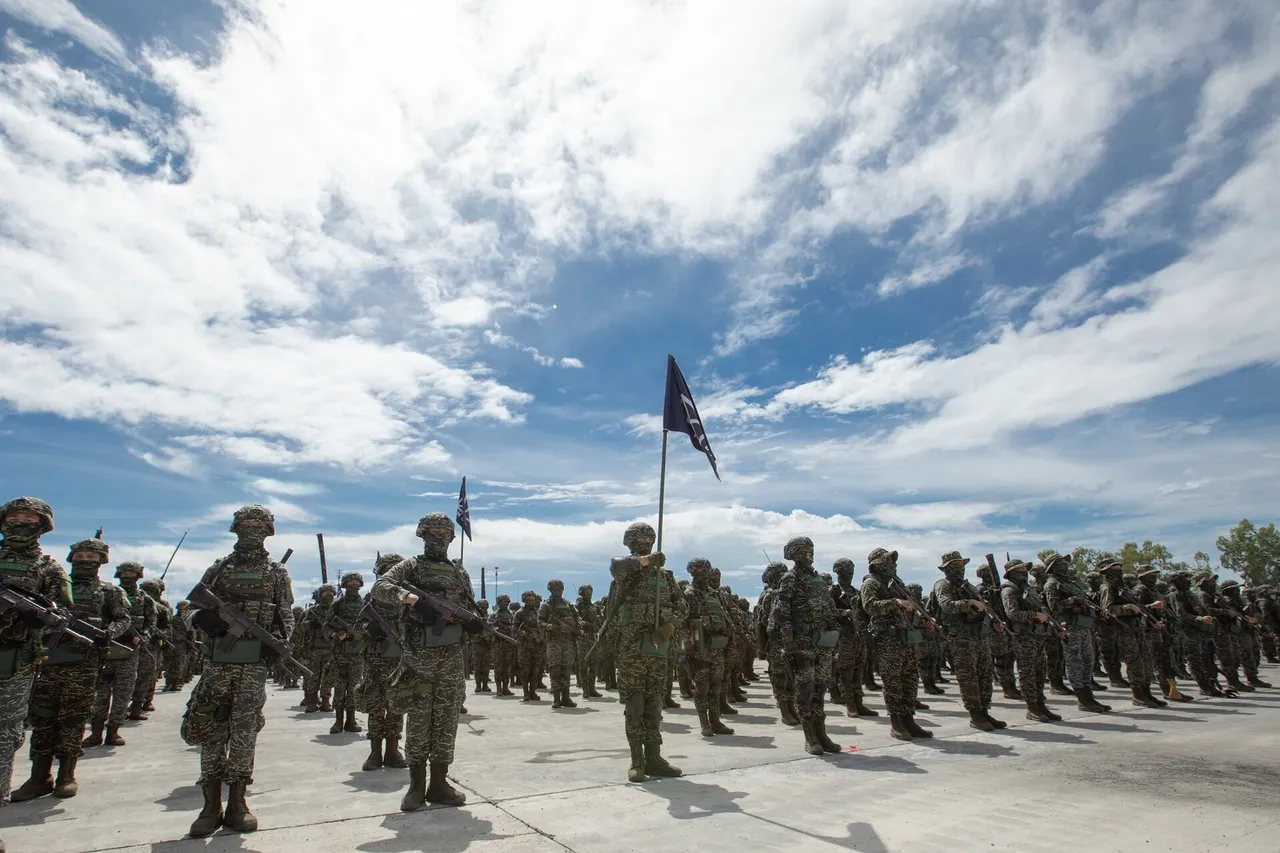
Taiwan's marines plan their first gun turrets built to shoot down drones
The Marine Corps wants two 30 mm automated turrets for NT$93m next year as Taiwan's military adds hard-kill weapons to its mostly jamming-based drone defences.
TaiwanDefence · 4d ago · 3 min read
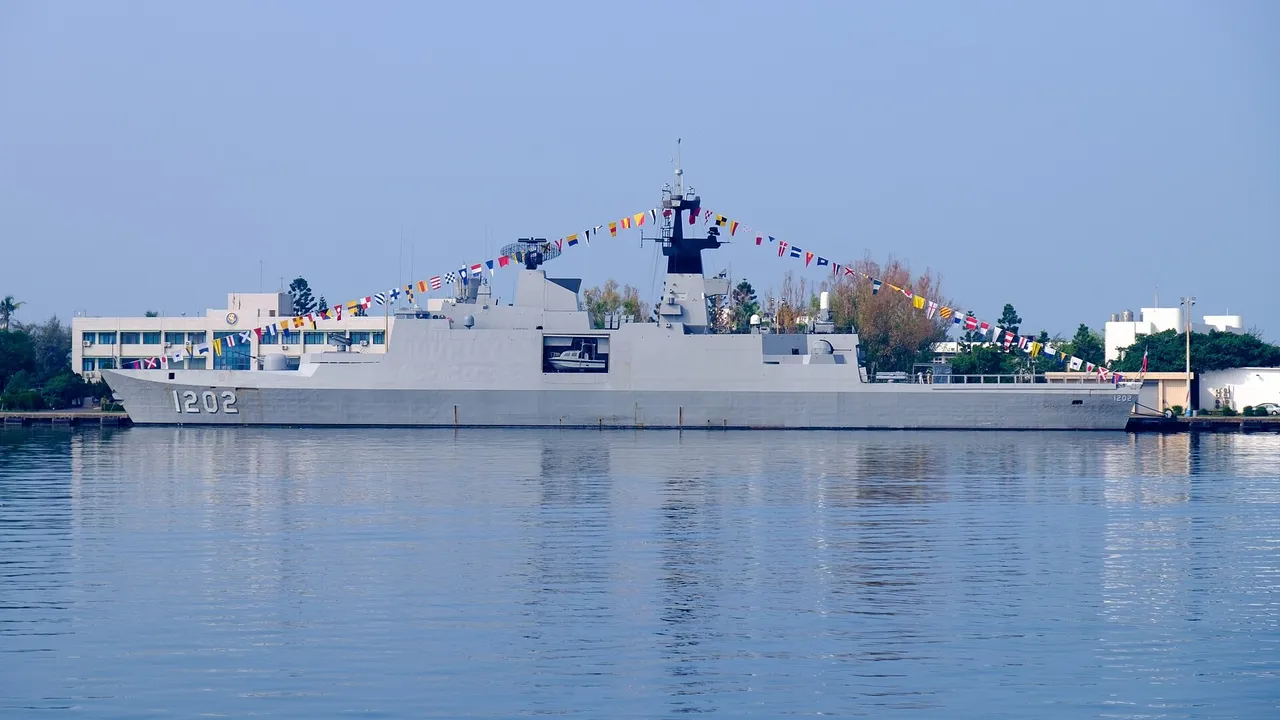
Taiwan's navy takes its new ARD-7 floating repair dock to sea for the first time
The CSBC-built dock, due for handover by 30 November, will replace the 70-year-old ARD-6 that flooded and sank inside Zuoying naval harbour in May 2025.
TaiwanDefence · 4d ago · 3 min read
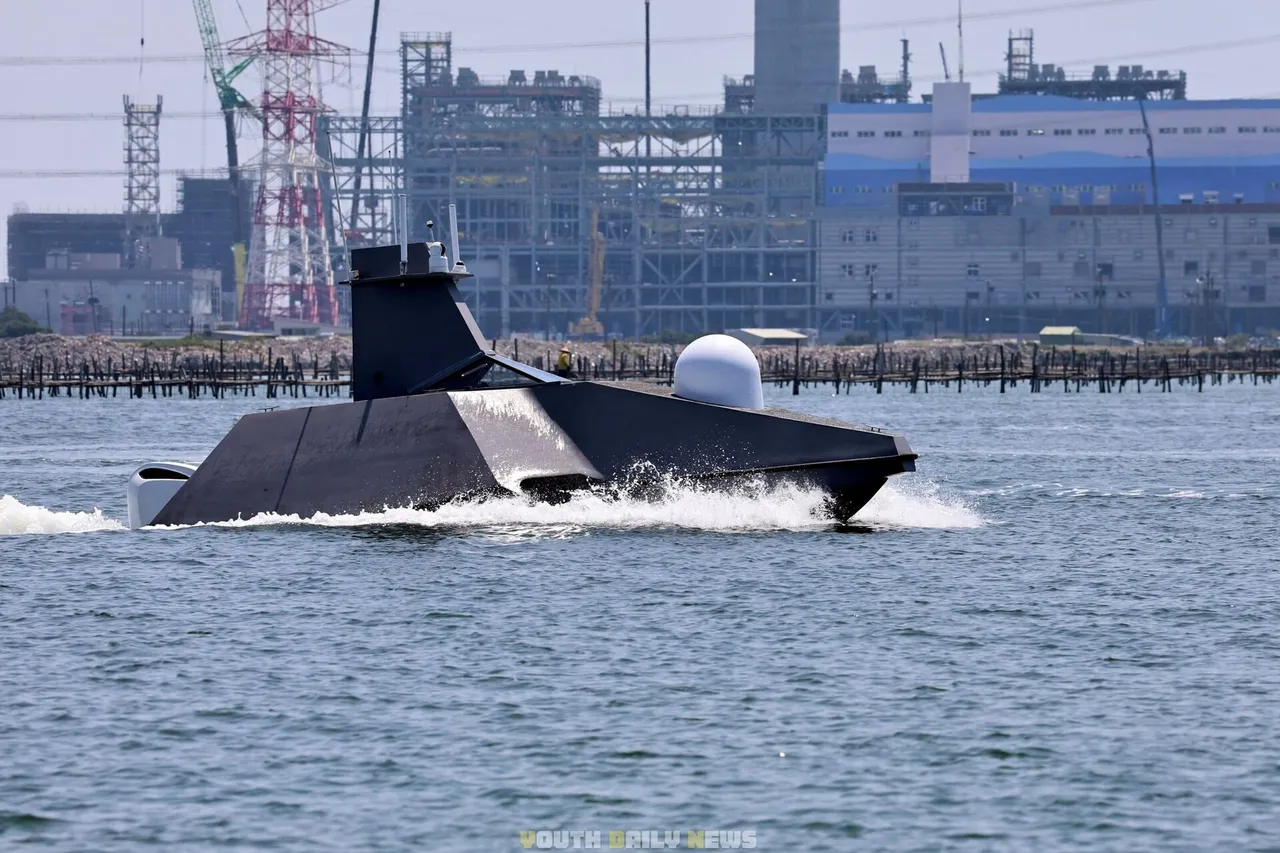
Taiwan think tank urges rough-sea tests and shared standards for the military's 1,320 drone boats
A DSET report says Taiwan's navy and coast guard should test sea drones in Taiwan Strait weather and set common standards before buying in bulk.
TaiwanDefence · 4d ago · 3 min read
Discussion (0)
Comments are not currently available.