
Taiwan's marines plan their first gun turrets built to shoot down drones
The Marine Corps wants two 30 mm automated turrets for NT$93m next year as Taiwan's military adds hard-kill weapons to its mostly jamming-based drone defences.
TAIPEI —
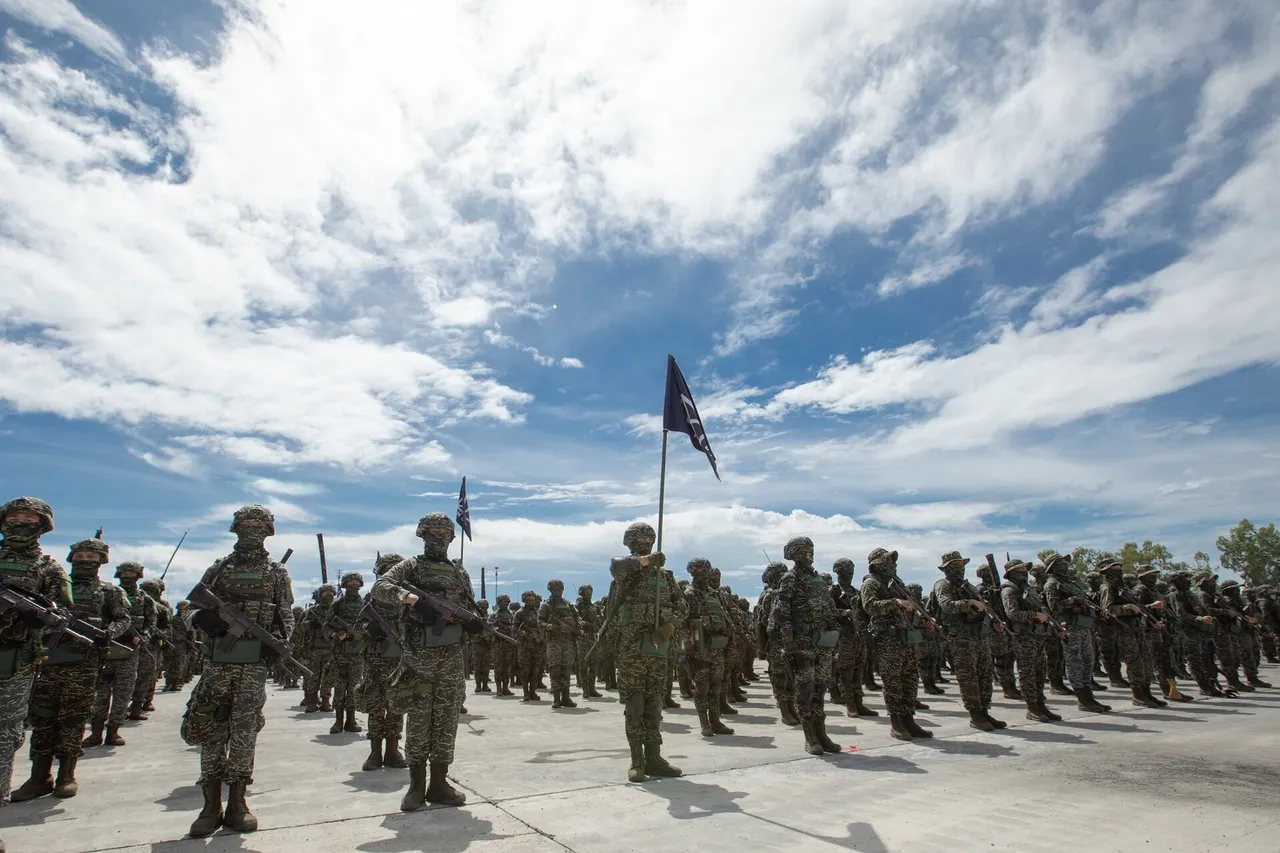
Taiwan's Marine Corps plans to buy its first automated gun turrets designed to shoot down drones, according to procurement documents reported by the Liberty Times on 5 November. The plan covers two turrets at a total cost of NT$93.12 million, or NT$46.56 million each, to be paid for from next year's defence budget.
The documents were released for public viewing by the defence ministry ahead of a formal tender. They say the supplier should, in principle, deliver within 240 days of signing the contract. The Marine Corps also wants the right to spend up to NT$100 million more within two years of delivery on special ammunition, a fully automatic countermeasure system and links to additional weapons.
What the turret must do
Each turret is to combine an automatic tracking radar, electro-optical and infrared trackers, a laser rangefinder and a fire control computer. The radar must follow at least three targets at once and tell birds apart from other objects, with an identification range of at least 2,500 metres and at least 80 per cent accuracy in classifying target types.
The main weapon is to be a 30 mm gun with an effective range of at least one kilometre, backed by a secondary weapon that can reach at least 500 metres. Both must be able to destroy small and medium drones, which the documents call first and second category threats. The turret must elevate to at least 70 degrees, allow operators to set no-fire zones to reduce the risk of hitting the wrong target, and keep working for at least an hour on backup power if outside electricity is cut. The vehicle or mount, the exact model and the final layout have not been made public.
Part of a wider shift to hard kill
The turret plan first appeared in June, when the defence ministry's innovation office listed an automated counter-drone gun turret for 2027 among its small-quantity purchases. The listing described a system that pairs passive optical detection with gun-based destruction to deal with low-flying, hard-to-detect threats.
Up Media reported in late October that the two turrets were intended to protect the Zuoying naval base in Kaohsiung, with one in the harbour area and one on nearby Shoushan. The outlet also questioned whether such a small commercial buy would be able to connect with the larger counter-drone networks the military is building.
Those larger plans are mostly about jamming and detection. According to the Liberty Times, the army intends to spend nearly NT$18.8 billion from 2027 to 2029 on 1,114 ground-force counter-drone systems to protect troops, navy ships, air-defence sites, garrison areas and key infrastructure. Those systems mix sensors, electronic jamming and physical interception rather than relying only on guns.
The military police are trying a lighter approach. They budgeted NT$21.89 million for 25 fire control sights that fit M4, AR-15 and SR-25 rifles and help soldiers hit small moving drones. Government procurement records show that tender failed three times, in May, July and August, before it was put out again in mid-August, and the paper said it could not confirm whether a contract has since been awarded.
Why it matters
Most of Taiwan's planned drone defences rely on detecting and jamming small aircraft, and the Liberty Times described the turret, the rifle sights and the army programme together as the start of a layered defence that reaches from individual soldiers to key facilities. For the Marine Corps, two turrets would be a modest first step toward physically destroying drones over a major naval base, and an early test of whether commercially bought systems can be fitted into the island's wider air defence.
Sources
More in Navy
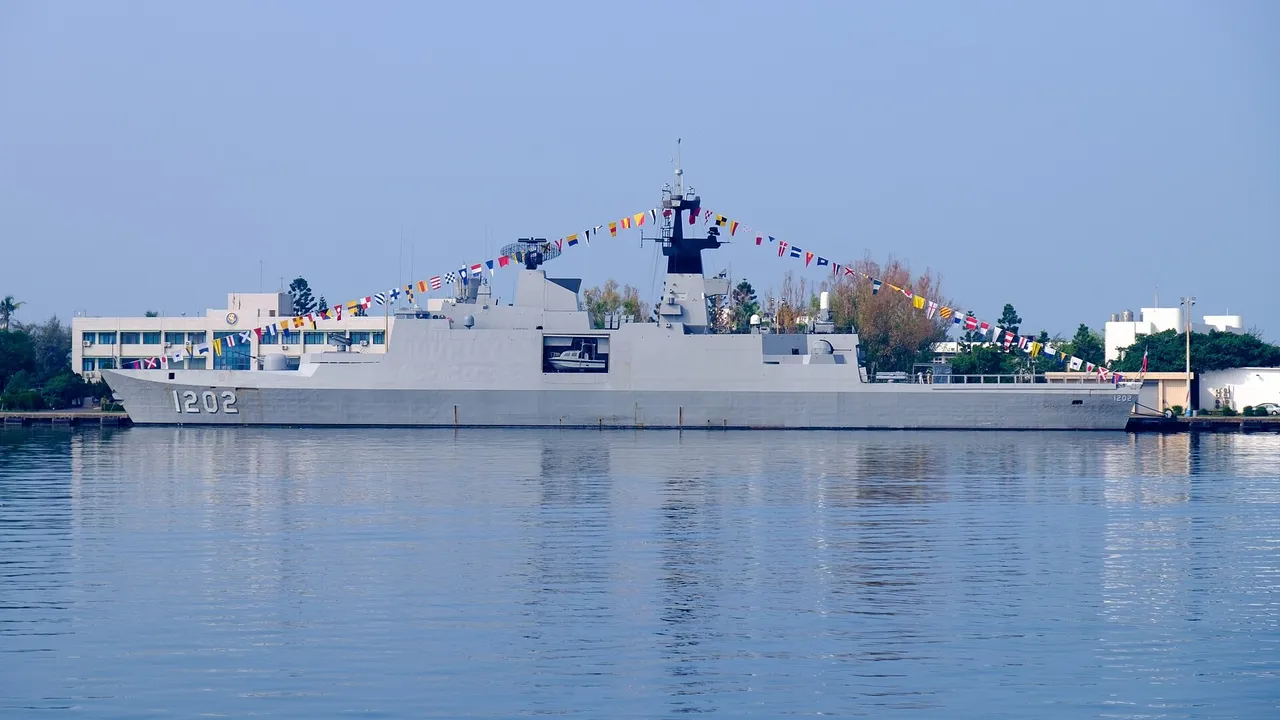
Taiwan's navy takes its new ARD-7 floating repair dock to sea for the first time
The CSBC-built dock, due for handover by 30 November, will replace the 70-year-old ARD-6 that flooded and sank inside Zuoying naval harbour in May 2025.
TaiwanDefence · 6h ago · 3 min read
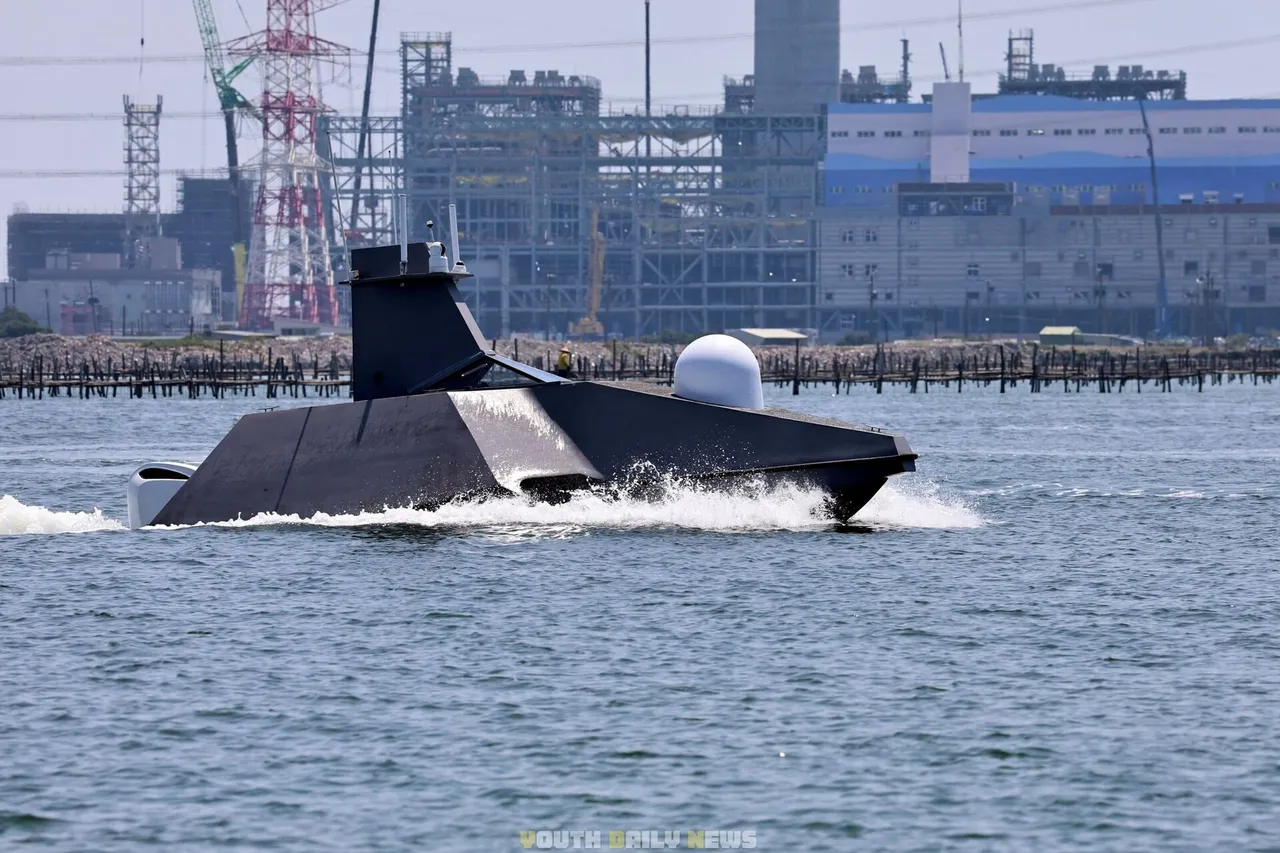
Taiwan think tank urges rough-sea tests and shared standards for the military's 1,320 drone boats
A DSET report says Taiwan's navy and coast guard should test sea drones in Taiwan Strait weather and set common standards before buying in bulk.
TaiwanDefence · 11h ago · 3 min read
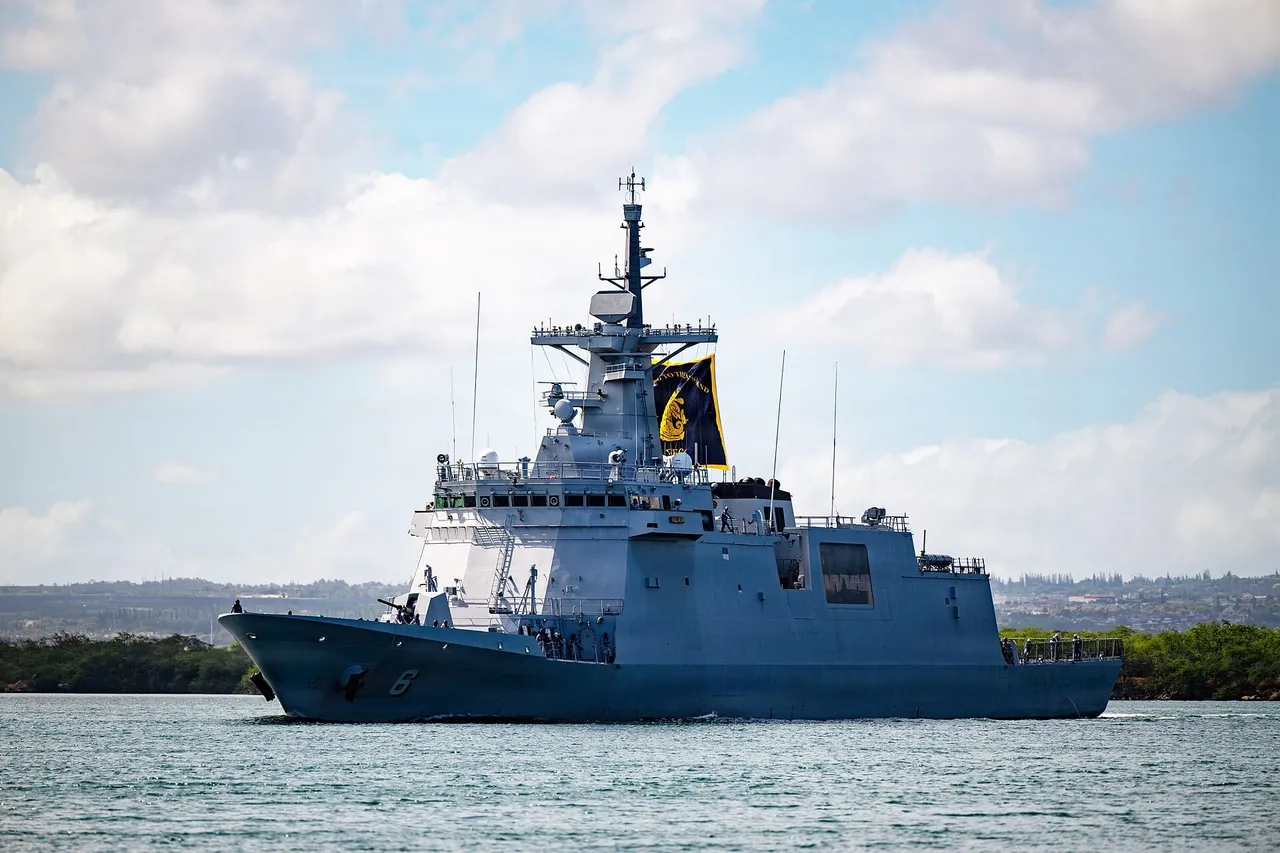
HD Hyundai starts building the first of two new frigates for the Philippine Navy
The South Korean shipbuilder cut steel in Ulsan for the lead 3,200-ton ship of a 2025 order and says it wants to beat the 2029 delivery schedule.
TaiwanDefence · 15h ago · 3 min read
Discussion (0)
Comments are not currently available.