
China marks a year of Japan-Taiwan row as Takaichi sticks to her survival-threat line
Beijing again demands a retraction of Sanae Takaichi's Taiwan contingency remarks as Tokyo restates the 1972 Joint Communique and keeps the Self-Defense Forces option on the table.
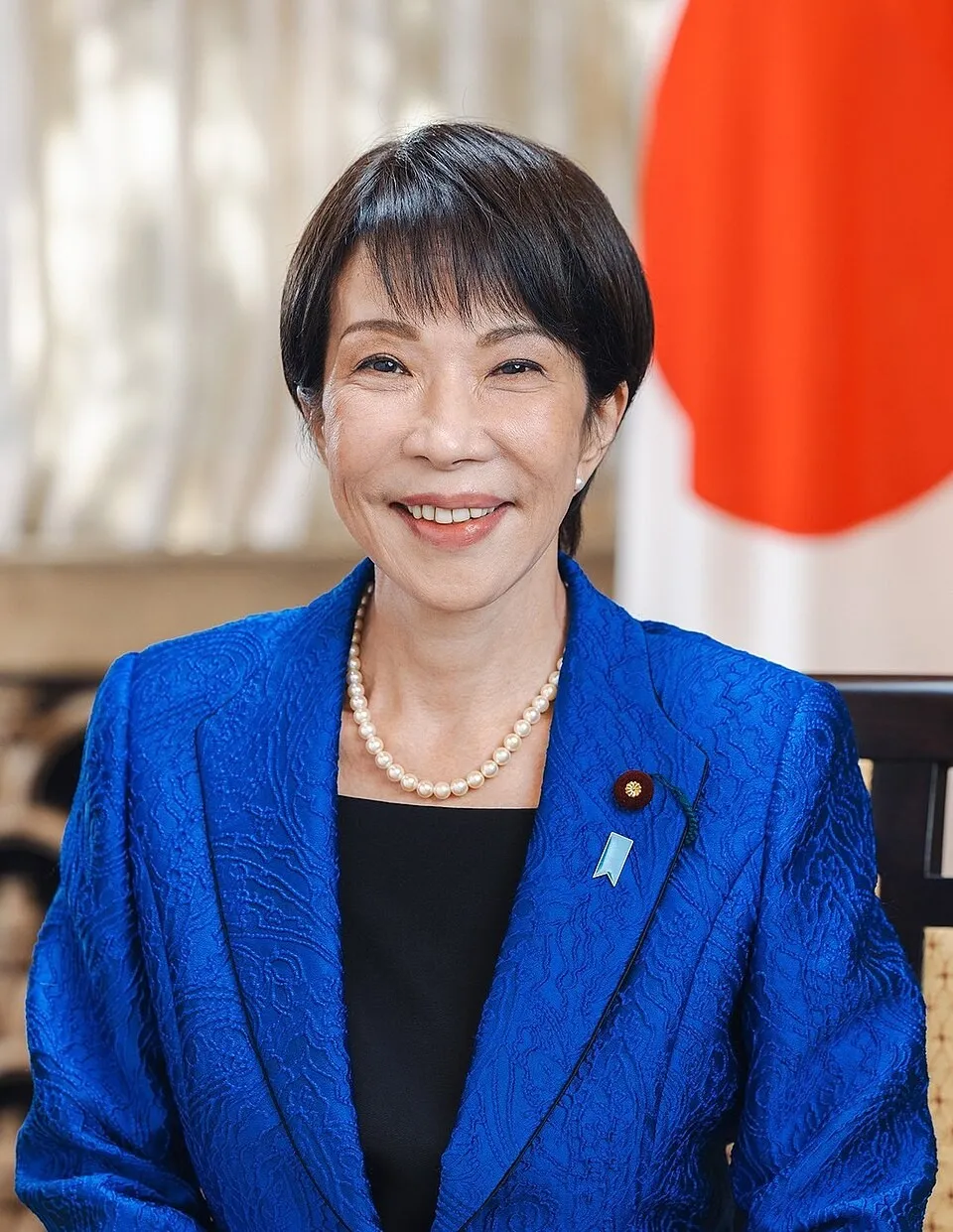
TAIPEI —
China used the eve of the first anniversary of Prime Minister Sanae Takaichi's Taiwan contingency remarks to accuse Tokyo of showing no sincerity, while Japan restated its 1972 China-Japan Joint Communique language and kept the Self-Defense Forces option she described last year. Saturday, 7 November 2026, marks one year since Takaichi told the Diet that a Chinese naval blockade of Taiwan could amount to a survival-threatening situation for Japan and open the door to collective self-defense.
Japan Times reported that Takaichi's November 2025 comments were the first by a sitting Japanese prime minister to spell out a specific Taiwan Strait case in which Tokyo might use the Self-Defense Forces. Beijing claims Taiwan and has said it will bring the island under its control by force if it judges that necessary. The anniversary coverage treated that military framing, not a routine bilateral spat, as the core of the rupture.
Chinese Foreign Ministry spokesman Guo Jiakun said on Friday that Japan had made no progress and was still evading the issue, and that responsibility for the sharp deterioration in ties lay entirely with the Japanese side. In Beijing's telling, Takaichi's remarks sent a wrong signal of attempting to intervene militarily in the Taiwan question and shook the political foundation of China-Japan relations. Those are Chinese government claims and have not been accepted by Tokyo.
Takaichi told reporters in Tokyo that China remains an important neighbour and that her government wants a constructive and stable relationship through dialogue on shared challenges while protecting Japanese national interests. Chief Cabinet Secretary Minoru Kihara separately said Japan's position on Taiwan remains as set out in the 1972 Joint Communique, under which Tokyo fully understands and respects Beijing's position that Taiwan is part of China.
China has used political and economic pressure tools since the remarks, including advising citizens against travel to Japan, banning some Japanese seafood imports and tightening rare-earth export controls used in high-tech manufacturing, Kyodo and Japan Times both reported. High-level official dialogues between the two governments have been largely suspended over the past year, according to anniversary reporting.
South China Morning Post noted that Takaichi is due in China later this month for the APEC summit in Shenzhen, while SBS English, citing Japanese and Chinese briefings, said arranging a Takaichi-Xi meeting on the summit margins remains uncertain. Neither outlet reported a Japanese retraction of the original Taiwan contingency language.
For Taiwan defence readers, the anniversary matters because Tokyo has not walked back the military logic that linked a Chinese blockade of Taiwan to Japan's survival-threatening-situation threshold. That threshold is the legal gateway Japan uses when weighing collective self-defense with the United States in a Taiwan Strait crisis, even as Tokyo continues to cite the 1972 communique in diplomatic settings.
Guo again urged Japan to correct what Beijing calls wrongful remarks. Takaichi and Kihara instead repeated the neighbour-and-communique formula without restating or withdrawing the November 2025 Self-Defense Forces scenario. Until one side moves, the anniversary leaves Japan's Taiwan contingency military option and China's demand for a clear retraction unresolved.
Sources
More in Indo-Pacific
US tells visiting South Korean lawmakers the wartime control transfer deal still stands
After a Hawaii visit to Indo-Pacific Command, defence committee chair Jin Sung-joon says US officials called the conditions-based OPCON deal unchanged.
TaiwanDefence · 1h ago · 3 min read
India nears a deal to sell the Philippines about 60 more BrahMos missiles
Reuters sources put the follow-on order at about five BrahMos systems worth up to US$800m, roughly double Manila's first shore-based anti-ship missile buy.
TaiwanDefence · 2h ago · 3 min read
Teodoro says Philippine Marines are too small and need new bases as he rejects China's Batanes claim
The defence secretary used the Marine Corps' 76th anniversary to push for a larger force, new strategic bases and stocked reserves, and dismissed Beijing's Batanes claims.
TaiwanDefence · 8h ago · 3 min read
Discussion (0)
Comments are not currently available.