
Matsu troops run a night Yuntai drill against a sea-air assault in monsoon weather
Taiwan's Matsu Defense Command stages its fourth-quarter Yuntai exercise on Nangan, weaving drones, TAK feeds and joint fires into a five-subject night fight under the northeast monsoon.
TAIPEI —
Taiwan's Matsu Defense Command held its fourth-quarter Yuntai exercise on the evening of 6 November on Nangan in Lienchiang County, simulating an enemy force that splits between sea and air approaches and works with local collaborators for a sudden night attack in poor weather, Central News Agency reported from the islands.
Command officials at the drill site said troops broke the scenario into five subjects and combined organic weapons, unmanned aircraft, the Team Awareness Kit (TAK) and joint fires, firing from dispersed positions to test command and control, fire coordination and rapid reaction across Matsu's air and sea approaches.
United Daily News published a matching military desk report the same evening, noting that the command framed the shoot as a check of defence-combat readiness for Taiwan's northern outpost and that soldiers pressed ahead despite a strengthening northeast monsoon and a sharp drop in temperature.
According to the command's on-site briefing, the exercise followed a localised, terrain-based approach tied to the overall Taiwan-Penghu defence concept. Drones were used to watch air and sea approaches while TAK passed target locations, friendly positions and battlefield cues to commanders in near real time.
Troops then worked through detect, identify, allocate and strike steps against simulated air and sea targets, weaving organic weapons and joint fires into a layered night fire network. Participating units completed engagement procedures under orders and used digitised, multi-layer fire coordination to show how reconnaissance and strike pieces fit together, CNA reported.
Matsu Defense Command chief Yin Chang-jung said troops still simulated a People's Liberation Army attack despite the monsoon and cold, and used heavy fire to defeat the notional enemy. He said the Yuntai series tests night fighting, digitised command and control and joint-fire teamwork, and that the command will keep building independent island defence and a one-island, one-life posture to guard Matsu and Taiwan.
CNA's Lienchiang dispatch said the command presented the shoot as verification that garrison forces can protect Matsu's air and sea approaches when an adversary combines maritime and aerial pressure with on-island collaborators. That framing puts the exercise in the grey-zone and night-raid problem set that outlying-island units train for through the year.
UDN's military desk published the report under its military news channel on the evening of 6 November, preserving the command's emphasis on weather resilience and on digitised battlefield awareness rather than treating the event as a routine live-fire calendar filler.
Neither outlet listed a full public table of weapons fired on 6 November, and TaiwanDefence does not invent calibre counts from earlier Yuntai seasons. What is firmly attributed is the five-subject structure, the drone and TAK integration, the dispersed firing method, and Yin Chang-jung's on-site remarks about monsoon conditions and independent island defence.
CTi News also carried the Lienchiang report on the evening of 6 November, repeating the five-subject package, the drone and TAK integration, and Yin Chang-jung's remarks about monsoon conditions and a one-island, one-life defence posture for Matsu.
The 6 November shoot is a distinct quarterly event from Kinmen's earlier Taiwu live-fire and from the same-day Kinmen coast-guard expulsion of Chinese ships already covered on TaiwanDefence. It anchors Matsu's grey-zone and night-defence training under named command leadership, named island terrain and a concrete five-subject package rather than a routine daily PLA tally.
For TaiwanDefence readers, the drill matters because Matsu sits on Taiwan's northern maritime approaches and because the command is practising the same drone-plus-TAK-plus-joint-fires stack that front-line garrisons need when weather and darkness compress warning time. The exercise does not by itself change the balance across the Strait, but it is a clear, attributable military-operations data point for outlying-island readiness on 6 November.
Sources
More in Army
Army special training centre puts combat divers through final water tests
Eight trainees faced bound flips, underwater kit drills and an eight-kilogram side swim before the 115-2 combat diving class could graduate and take the badge.
TaiwanDefence · 1d ago · 2 min read
Kinmen troops fire tanks and artillery at sea and air targets in quarterly Taiwu drill
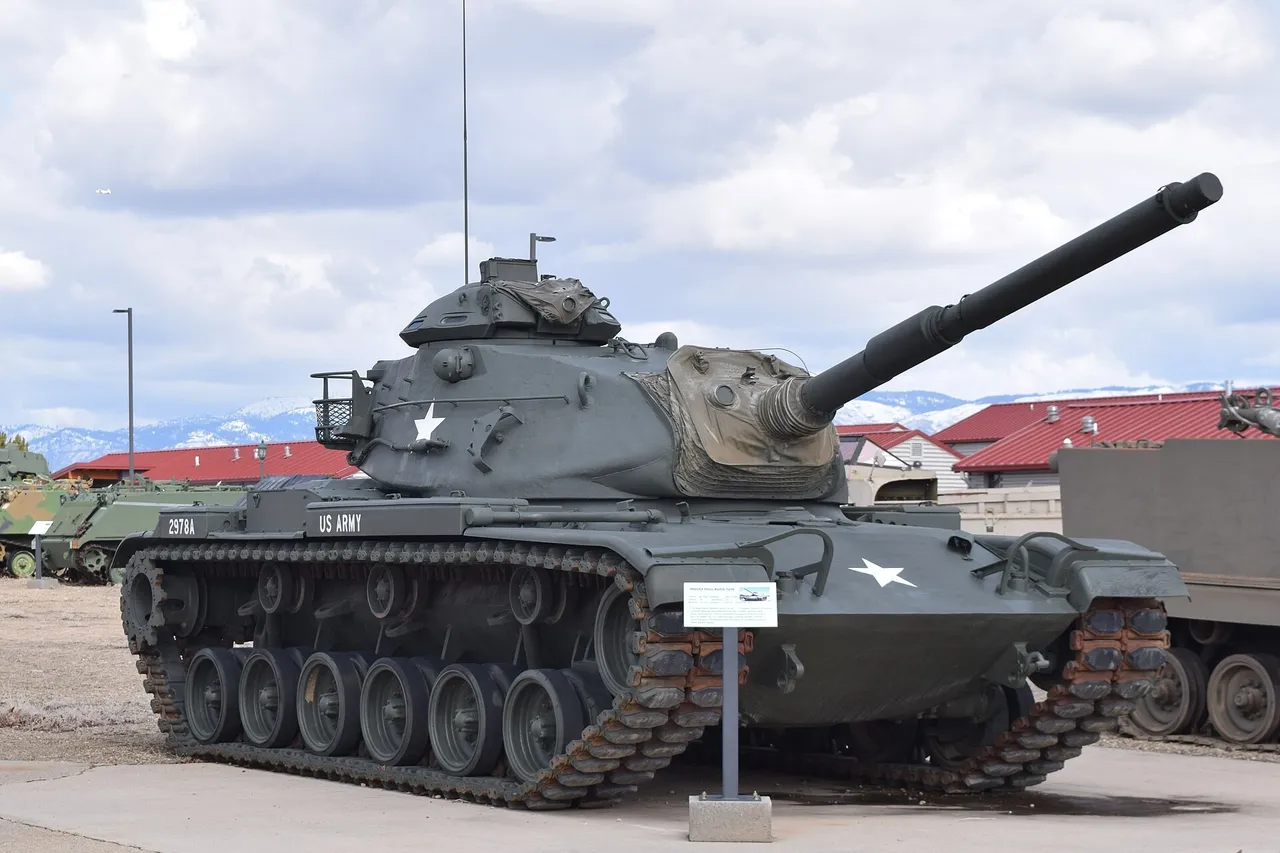
Taiwan's Kinmen Defense Command ran its fourth-quarter Taiwu live-fire exercise with M60A3 tanks, howitzers and mortars against simulated landings and special-forces raids on the front-line islands.
TaiwanDefence · 2d ago · 2 min read
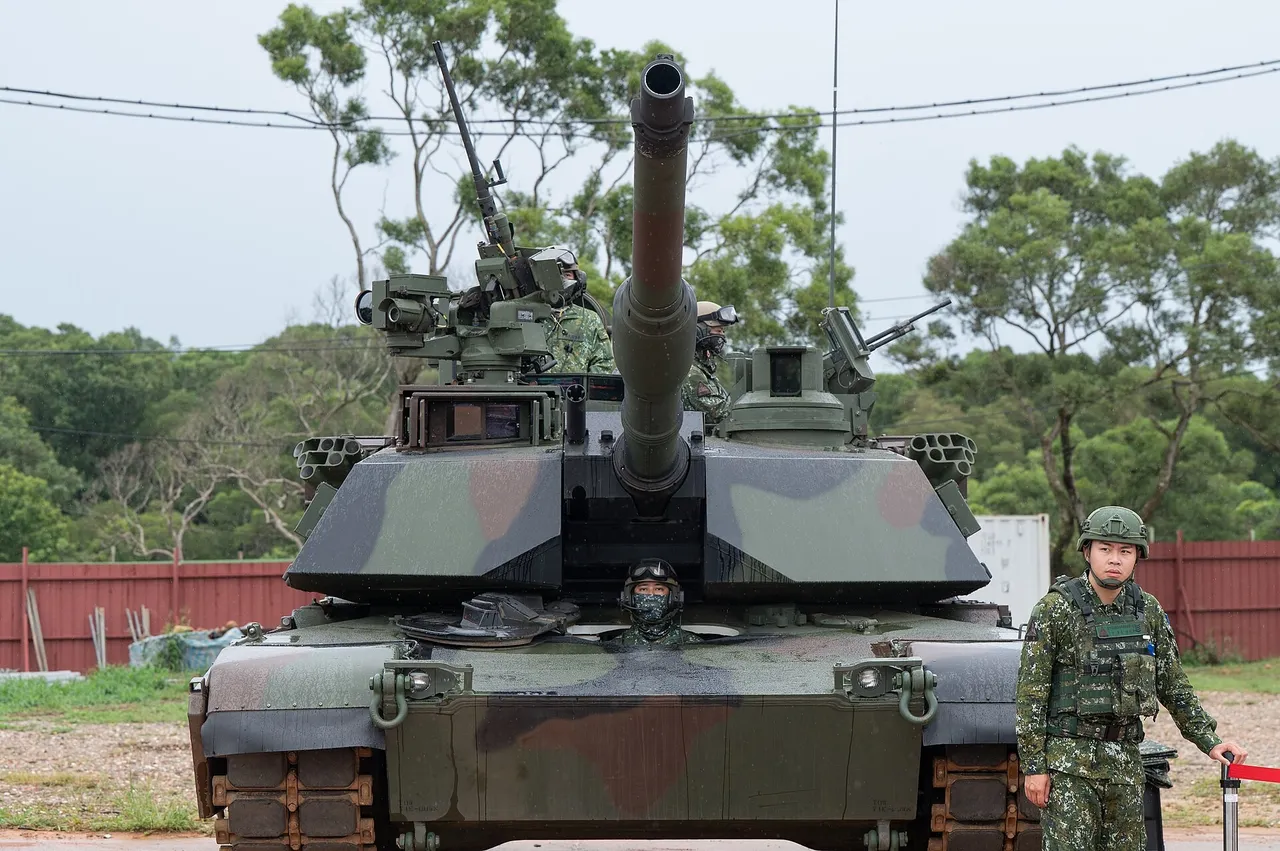
Taiwan's M1A2T tanks fire in the military's joint live-fire evaluation for the first time
Crews from the army's 584th Brigade fired the new Abrams tanks' main guns and machine guns in Pingtung to qualify for the annual tri-service evaluation.
TaiwanDefence · 3d ago · 3 min read
Discussion (0)
Comments are not currently available.