Philippine Senate ratifies visiting forces agreement with France, its first with a European nation
Senators approved the pact on 8 October, setting legal rules for French and Philippine troops training on each other's soil as Manila widens its defence ties.
.jpg)
TAIPEI —
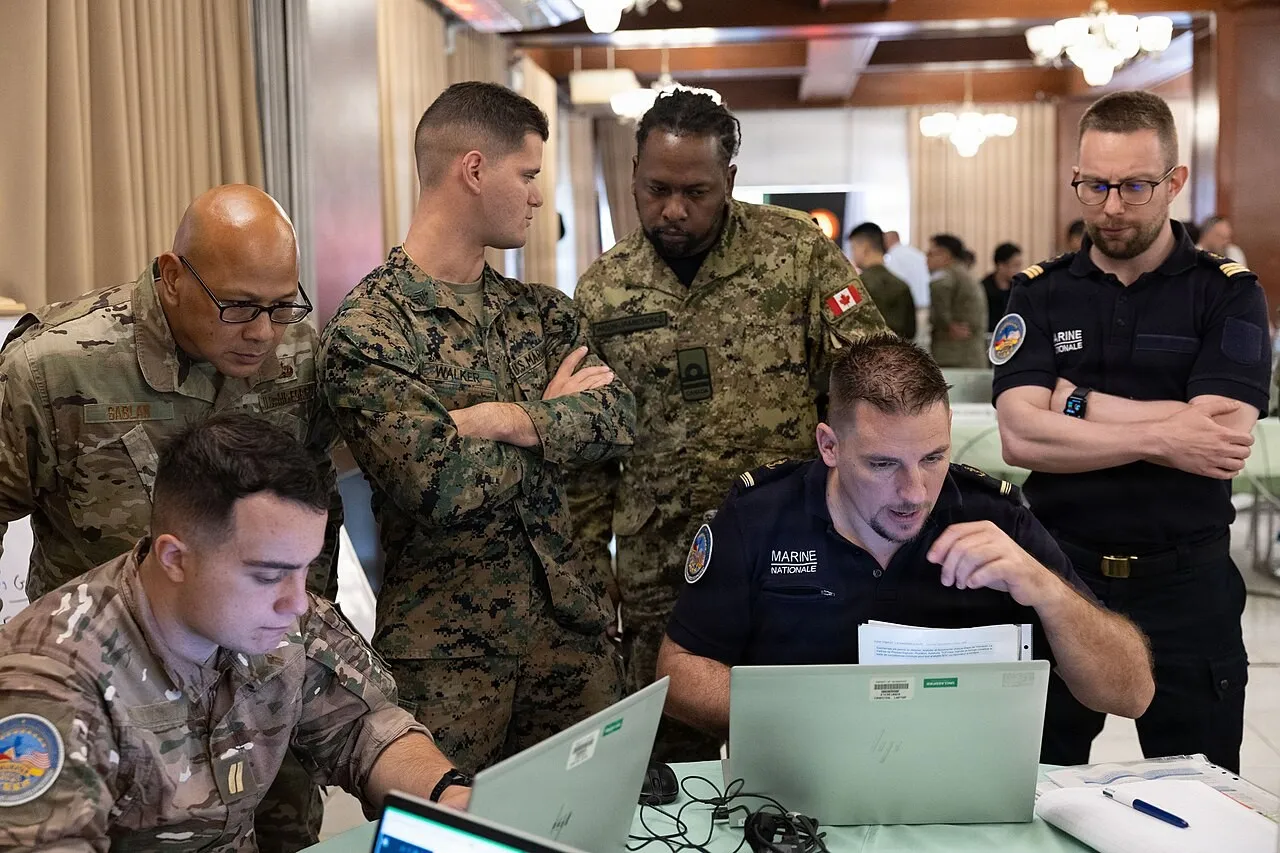
The Philippine Senate on Thursday, 8 October, concurred in the ratification of the Status of Visiting Forces Agreement with France, giving Manila its first such defence pact with a European country. Senators approved Senate Resolution No. 650 with 17 votes in favour, clearing the way for the agreement to enter into force.
The agreement sets the legal framework for the presence and activities of Philippine and French armed forces, including their civilian components, in each other's territory. It covers joint defence and training activities, humanitarian work and other activities both sides agree on, and it defines criminal jurisdiction over visiting troops who commit offences while in the host country.
Defence Secretary Gilberto Teodoro Jr. and French Minister for the Armed Forces and Veterans Catherine Vautrin signed the agreement on 26 March. The newly designated French ambassador to the Philippines, Donatienne Hissard, received the Senate resolution in person. Senate Majority Floor Leader Juan Miguel Zubiri called the vote historic because it was the country's first ratification of a visiting forces treaty with a European nation.
Defence department welcomes the vote
The Department of National Defense welcomed the ratification in a statement, saying it looked forward to the agreement entering into force and to a stronger defence partnership with France that would benefit both peoples and the wider Indo-Pacific. The department described France as one of the Philippines' reliable partners in upholding international law, noting that France is a party to the UN Convention on the Law of the Sea and has consistently backed the 2016 arbitral award that ruled in Manila's favour against Chinese claims in the South China Sea.
The department also said France was at the cutting edge of the high-technology defence capabilities the Philippines will need as it builds supply chain resilience, and pledged to keep widening cooperation with like-minded countries against unilateral actions that undermine the rules-based international order.
A growing web of visiting forces pacts
France becomes the sixth country with an active visiting forces pact with the Philippines, joining the United States, Australia, Japan, Canada and New Zealand. Manila's oldest such accord is its Visiting Forces Agreement with treaty ally the United States, and it signed a status of visiting forces agreement with Australia in 2012. Teodoro has said the Philippines is in a second round of negotiations with the United Kingdom, while talks with other Asian countries are continuing.
At a Senate committee hearing in September, Teodoro argued that the country had no choice but to widen its defence partnerships because Philippine territory was under severe stress from what he called China's unilateral and illegal acts, and said each additional partner strengthened Manila's deterrent posture. He also said a pact with France, a European country with territories in the Pacific, would extend the Philippines' links across the Indo-Pacific.
The widening of defence ties has been a deliberate push by the administration of President Ferdinand Marcos Jr. in the face of what Manila sees as an increasingly assertive China in the South China Sea, even as Marcos has said he wants to reset relations with Beijing after years of tension at sea and in diplomacy.
Sources
More in Indo-Pacific
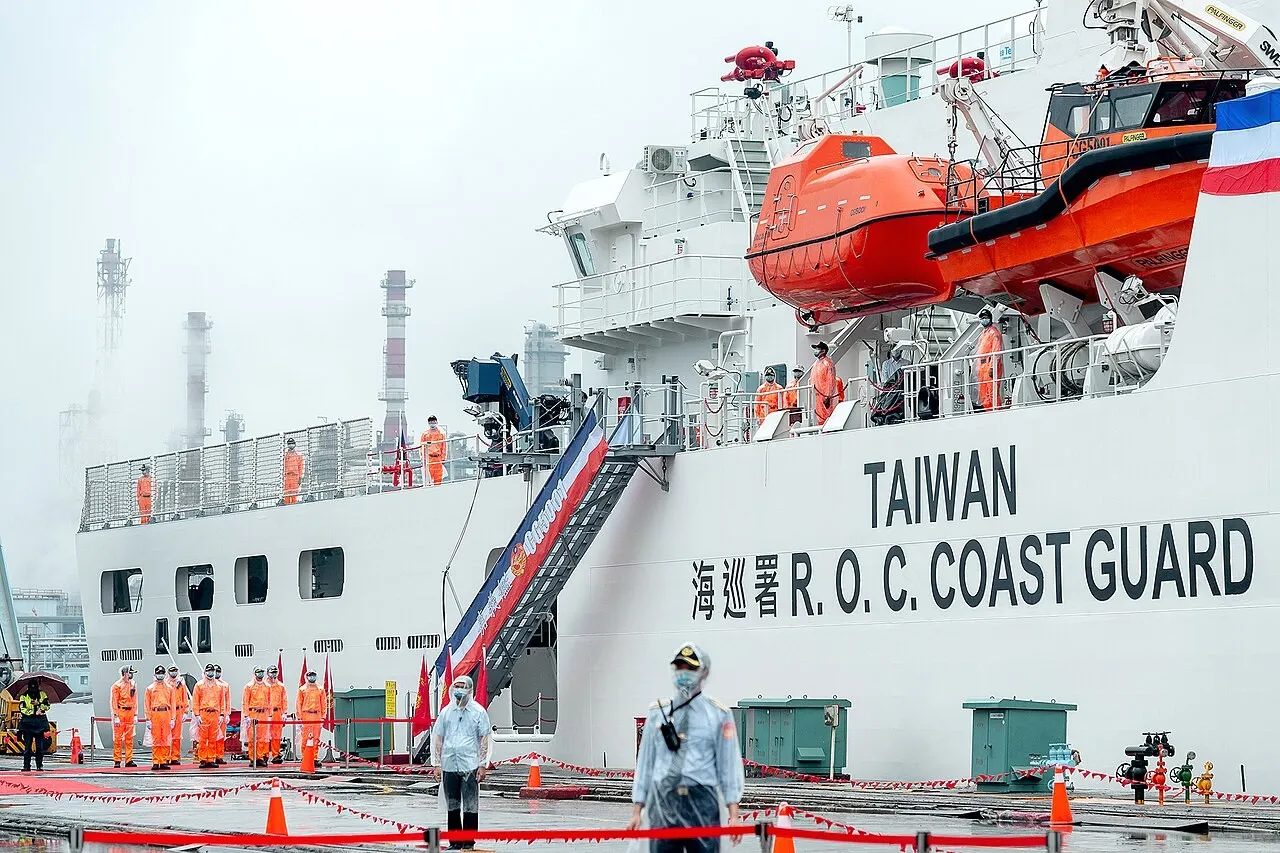
Taiwan coast guard sends Chiayi and new cutter Penghu to Palau on second Friendship Fleet voyage
The two patrol vessels docked at Malakal Harbor on 6 October for long-range training, a call on President Whipps and a joint patrol with Palauan law enforcement.
TaiwanDefence · 1d ago · 3 min read
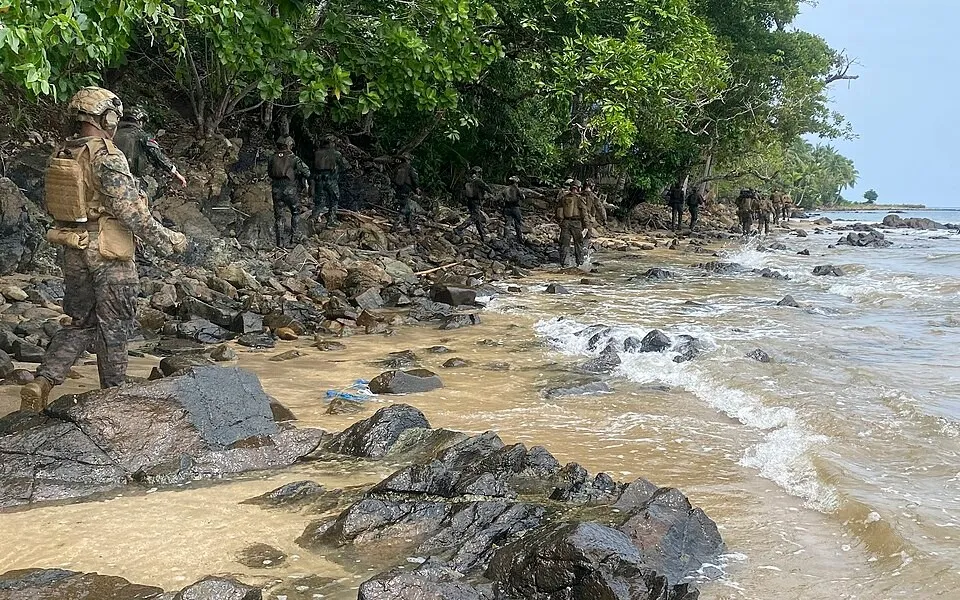
Philippine defence chief seeks brigade-sized Army force and stronger Marine presence on Palawan
Gilberto Teodoro and AFP chief Antonio Nafarrete told Western Command troops that the province facing the South China Sea needs a larger, sustained tri-service presence.
TaiwanDefence · 1d ago · 2 min read
South Korea moves to curb athletes' military service exemptions as conscript pool shrinks
Seoul's culture minister promised a fundamental overhaul of arts and sports exemptions a day after the defence ministry said it aims to cut or scrap them, citing falling manpower.
TaiwanDefence · 1d ago · 3 min read
Discussion (0)
Comments are not currently available.