
ANALYSIS
Taiwan's F-16V fleet faces two more years without its crash-avoidance safety net and its standoff glide bomb
A defence ministry report on 9 October 2026 puts both the Auto GCAS retrofit and AGM-154C deliveries at end-2028, leaving the core fighter fleet short of both.
TAIPEI —
This article is an original Taiwan Defence analysis based on the cited public sources. It distinguishes reported facts from analytical judgments and does not represent original field reporting.
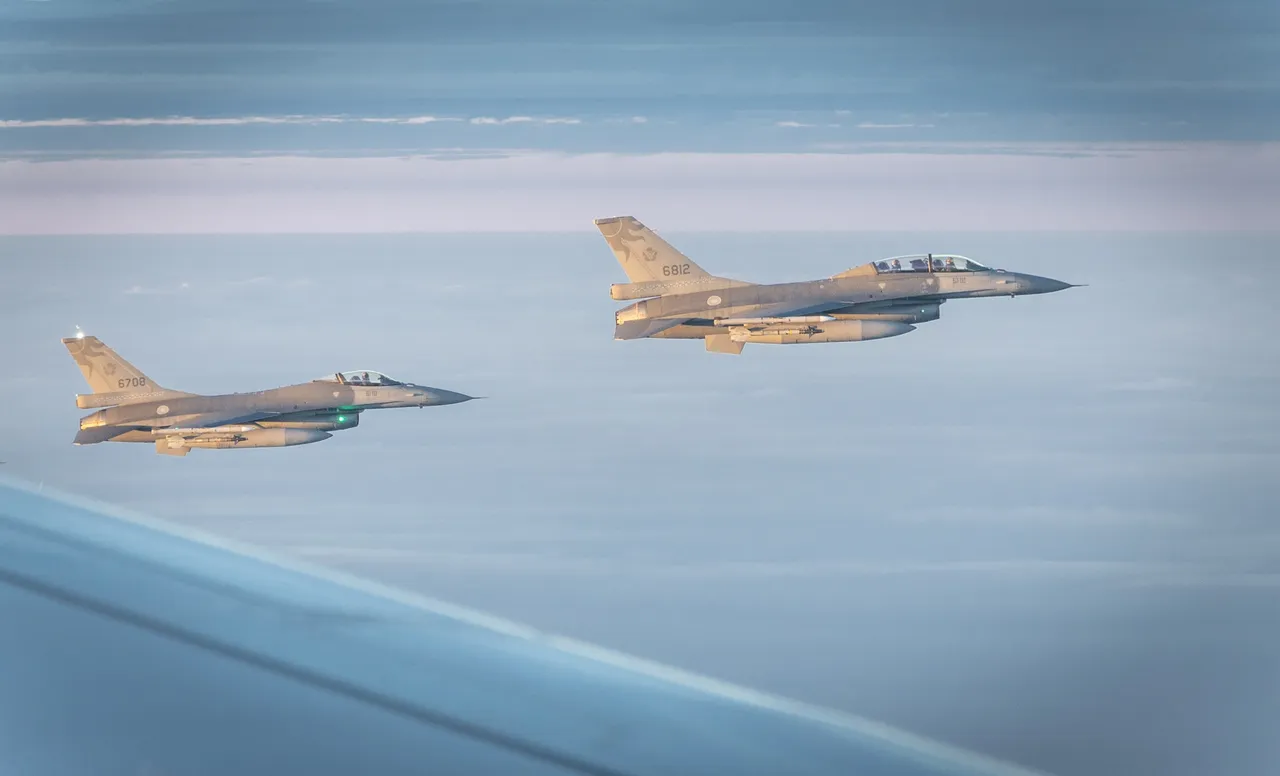
Taiwan's defence ministry has told lawmakers that two long-promised additions to its upgraded F-16V fleet will not be complete until the end of 2028. In a report disclosed on 9 October 2026, the air force said the automatic ground collision avoidance system, known as Auto GCAS, will be fitted across the older jets by end-2028, and that deliveries of the AGM-154C Joint Standoff Weapon glide bomb are being held to the same date.
The report answers a legislative freeze. Lawmakers held back NT$20 million of the NT$100 million set aside in the 2026 budget for the F-16A/B upgrade, saying the collision-avoidance work and flight-control software had been replanned and the missile purchase was still running on a temporary contract. The money will stay frozen until the ministry submits a written report to the Foreign Affairs and National Defense Committee and the committee approves it.
The dates matter because the jets affected are the core of Taiwan's fighter force. They mean the 141 F-16s rebuilt to the V standard will spend two more years without the safety net the new Block 70s carry from the factory, and without the standoff glide bomb meant to let them strike from beyond the reach of short-range defences. The causes sit in American production lines and software, which Taipei can push but cannot control.
A programme that keeps moving its finish line
The upgrade, known in Taiwan as Phoenix Rising, was approved to rebuild 142 jets between 2012 and 2023 for NT$110 billion. Its budget later rose to about NT$140.2 billion, and the Legislative Yuan Budget Center says all 141 conversions were completed by the end of 2023. The programme has stayed open anyway. It was extended to 2026 in July 2022 and again to 2028 in March 2025, after the US Air Force wrote in December 2024 that full JSOW production would run to the end of 2027.
| Item | Earlier plan | Latest plan |
|---|---|---|
| Phoenix Rising programme end | 2023, then 2026 (July 2022 revision) | 2028 (March 2025 revision) |
| AGM-154C JSOW deliveries | 2025 to 2026 (MND, November 2025) | 2027 to 2028; all by end-2028 |
| Auto GCAS on existing F-16Vs | Kits due by end-2026 (air force, August 2025) | Fleet-wide retrofit by end-2028 |
Sources: bc, sp, storm
The latest report traces the JSOW delay back years. Washington approved the sale in June 2017, and the letter of offer has since been amended in May 2020, July 2022 and September 2025 as the US side cited a restarted production line, parts that are no longer made, and system development and integration work. The air force said it has pressed the US military to push manufacturer Raytheon to speed up production.
A Budget Center review of US arms sales, drawing on a ministry report from November 2025, listed the AGM-154C among the delayed cases: originally due in 2025 and 2026, it was moved to 2027 and 2028 because Taiwan bought the newest configuration.
The safety gap
Auto GCAS uses speed, heading and terrain data to judge whether a jet is about to fly into the ground or sea. It warns the pilot and, if there is no response, rolls the aircraft level and climbs. The air force added it to the upgrade in 2019, after a June 2018 crash into a mountain in Keelung, but the older Block 20 airframes have analog flight controls. Each one must first receive a hybrid digital-analog flight-control computer.
That integration has depended on US software. The ministry said a new flight-control software release arrived in July 2026 for joint testing, and modification kits have begun shipping in batches. The air force also said it wrote in January 2026 to the US Air Force chief of staff, General Kenneth Wilsbach, asking him to speed up the work. Its letter followed the loss of pilot Hsin Po-yi, whose F-16V Block 20 went into the sea during night training on 6 January 2026.
As recently as August 2025, the air force told budget analysts it was holding the US to delivering the Auto GCAS hardware by the end of 2026. The new language speaks only of kits arriving in batches and the whole job finishing by end-2028. Meanwhile, the 66 new F-16 Block 70s, the first of which were due in Taiwan from late August, have the system built in from the factory, so the air force will run two standards of safety equipment on the same type for some time.
What the strike gap means
The JSOW is a GPS- and inertially guided glide weapon. The Liberty Times put its range at about 70 nautical miles when released from high altitude, and the military has said Taiwan is buying a newer version than the one in current US service. In August the military acknowledged it would miss the arrival of the first Block 70s, and said the new jets would stand alert with the missiles already on hand.
Without the JSOW, Taiwan's F-16s have fewer ways to attack ships or landing areas from outside the range of short-range air defences, which is the job the weapon was bought for. The gap does not leave the fleet unarmed, but it does put off a capability the air force planned around since 2017.
The freeze gives lawmakers a reason to demand dates, not a way to get the hardware sooner. Monthly calls and in-plant liaison officers, both of which the air force cited, can track Raytheon's line but cannot add to it. The next markers are whether the committee releases the NT$20 million, and whether the first retrofitted Block 20 jets and JSOW rounds show up in 2027 or are pushed back again toward the 2028 deadline.
Sources
More in Analysis
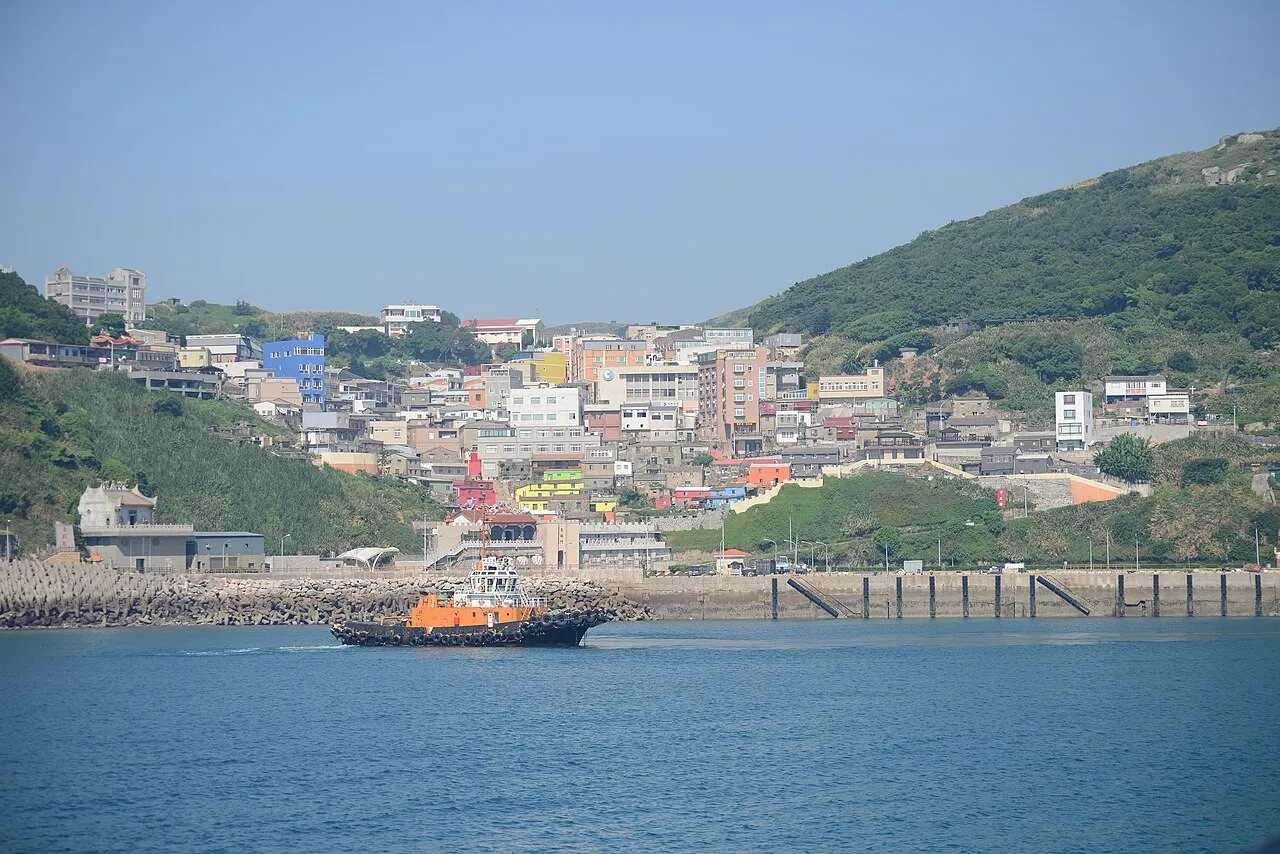
Matsu's new cable and what Taiwan's communications backups have actually kept running
The Taiwan-Matsu No. 2 cable failed again on 6 October 2026. Three earlier outages show microwave backups kept phones working, but not everything, and repairs take weeks.
TaiwanDefence · 1d ago · 14 min read
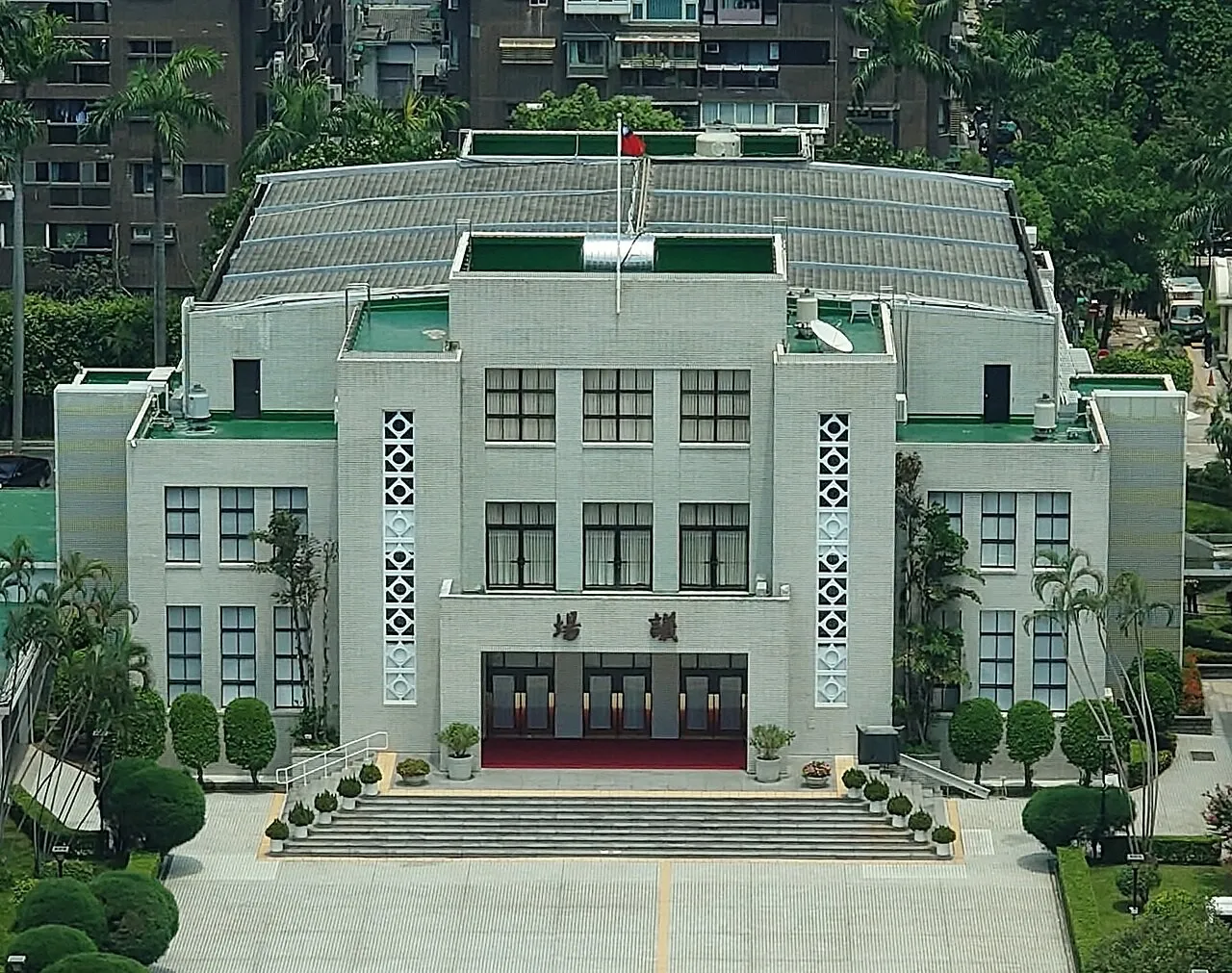
Taiwan's new defence committee leaders set up a session-long fight over drones, manpower and delays
In convener elections on 8 October 2026, the DPP drew the defence ministry's agenda while the KMT's Hsu Chiao-hsin put manpower and arms delays first.
TaiwanDefence · 1d ago · 3 min read
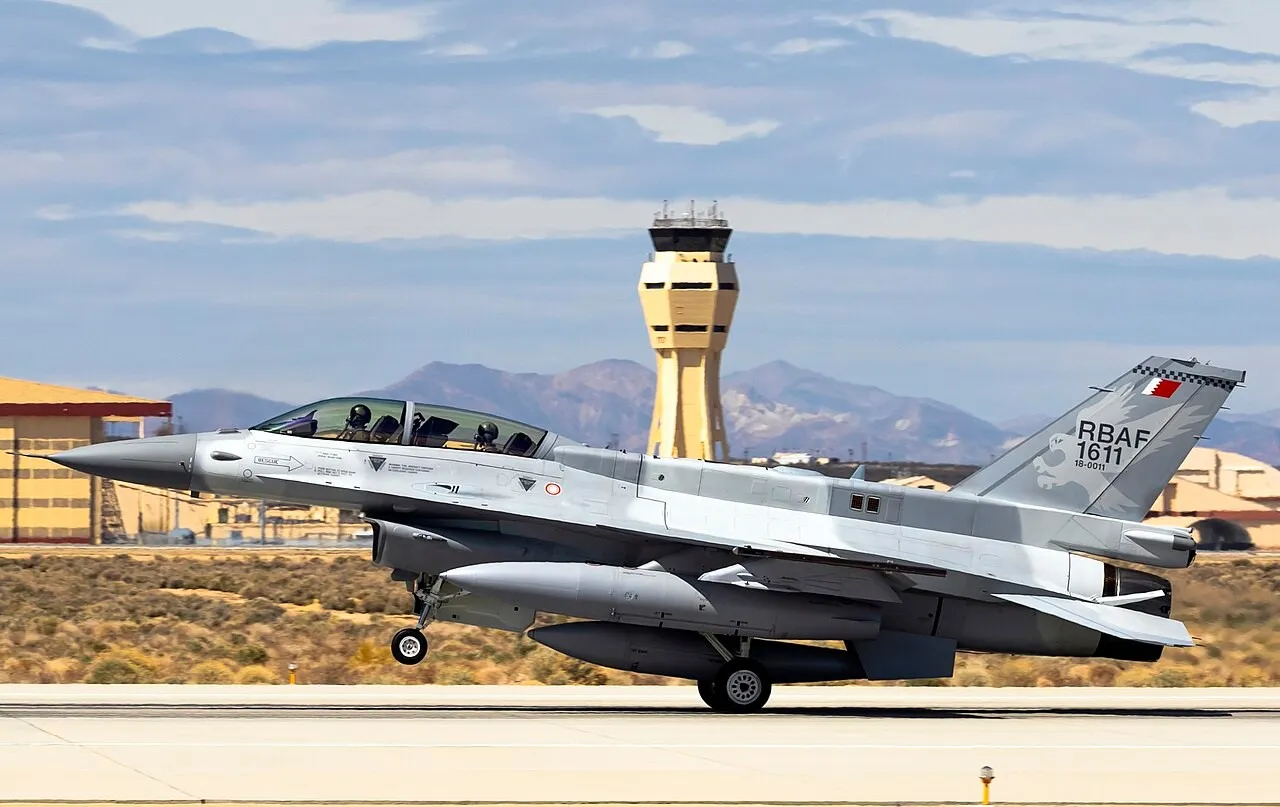
Taiwan's new F-16s face a maintenance bottleneck as deliveries finally begin
A legislative budget review reported on 7 October 2026 found Taiwan's F-16 repair centre holds only a third of its planned licensed capacity as new jets arrive.
TaiwanDefence · 1d ago · 4 min read
Discussion (0)
Comments are not currently available.