
ANALYSIS
Why Gu's year-one drone buys matter more for 2027 IOC than one frozen budget line
On 3 November 2026 Gu framed coastal drones as two-year consumables with annual rebuys; by 6 November defence lines were still stuck short of the 20 November vote.
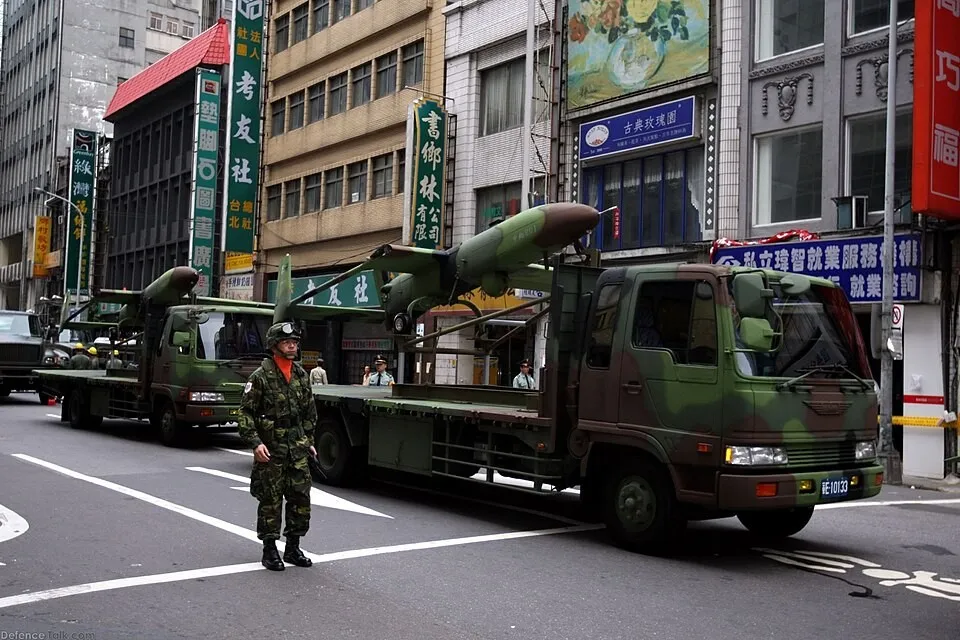
TAIPEI —
This article is an original Taiwan Defence analysis based on the cited public sources. It distinguishes reported facts from analytical judgments and does not represent original field reporting.
On 3 November 2026, Defence Minister Wellington Gu told the Legislative Yuan that Taiwan would fold the 2026 and 2027 uncrewed-vehicle buys into the supplementary budget and aim for initial operational capability in 2027, Youth Daily News reported from his testimony. That date is the current hook. By 6 November, Taipei Times reporting showed defence items in the same supplementary package still parked for party-caucus talks even as lawmakers kept a 20 November third-reading target.
Judgment: the story that matters for Taiwan's littoral uncrewed force is not whether one freeze line moves this week. It is whether Gu's procurement model — treat small coastal drones as consumables, rebought every year, with de-red supply-chain checks — survives the Legislative Yuan before the 2027 IOC clock runs out.
What Gu put on the record
According to Youth Daily News, Gu said the ministry plans to acquire nearly 700 coastal reconnaissance drones, fewer than 40,000 coastal attack drones and 120 one-way attack drone boats under the NT$55.9 billion uncrewed package. He said first- and second-class small drones would be treated like ammunition, with roughly a two-year service life, bought under a one-year, most-advantageous tender with iterative upgrades scored into later buys, rather than maintained like tanks over a full equipment life cycle.
Gu also said the ministry would enforce a de-red supply chain for key components: vendor lists, origin affidavits, on-site factory checks, whole-aircraft tear-downs and software security tests at prototype and delivery, Youth Daily News reported. Each service has stood up a drone training command so crews can train before and after delivery, and Gu distinguished military littoral strike roles from Coast Guard near-shore enforcement while noting a signed resource agreement for information exchange.
Those details matter because they are a force-design choice, not only a budget request. A year-one buy assumes Taiwan will burn through small drones in training and, if needed, in combat, then repurchase improved lots. If the legislature treats the package as a one-shot capital buy that must be fully justified before any money moves, Gu's iteration model stalls even when individual freeze amounts look small beside the wider supplementary bill.
The lag warning and the calendar
On 4 November 2026, Liberty Times Net reported Deputy Defence Minister Hsu Szu-chien telling lawmakers that Taiwan's drone build was already behind the global trend, that some units had been stood up without equipment, and that even a few months of delay would matter because other countries were racing for production capacity. Hsu also said ammunition stockpile planning had moved from a 30-day to a 120-day target because Taiwan cannot count on rapid wartime resupply as a continental state might, and that the deterrent value of that stockpile could not sit idle for a day.
Judgment: Hsu's lag warning reframes Gu's 2027 IOC date. If units already exist without airframes, and if global drone capacity is contested, then each week the supplementary defence lines stay in caucus limbo is not neutral process time. It is inventory time Taiwan does not get back, even if a later unfreeze eventually releases cash.
What remained stuck by 6 November
Taipei Times reported on 6 November that lawmakers had finished a preliminary committee review of the NT$607.6 billion supplementary budget except for defence and social-welfare items still held for inter-party talks, while keeping the cross-party aim of a third reading by 20 November. The paper said Kuomintang and Taiwan People's Party proposals sought further freezes or cuts on drone, counter-drone and general armament lines, and that ministry and lawmaker preferences differed on whether unfreeze conditions should be met by separate briefings or formal hearings.
That sequence sits beside earlier coverage of a separate NT$10 billion freeze on drone and small attack-boat money until the ministry explains programme plans. The freeze amount is visible. The deeper constraint is procedural: Gu's year-one-buy and de-red architecture need repeated legislative tolerance for iterative buys, not a single clearance of one frozen line.
Why the model is the story
Gu's public rationale for merging 2026 and 2027 uncrewed needs into the supplementary package was schedule protection. Youth Daily News said he argued that after the special-budget statute forced items into the annual budget, waiting would push force generation into 2028. That is an IOC calendar claim. It rises or falls with whether the legislature lets the ministry keep buying consumable lots on a yearly cycle under de-red rules.
Judgment: unlocking a frozen NT$10 billion tranche would ease cash flow. It would not by itself prove that lawmakers accept drones as ammunition-like consumables, accept annual rebuys with upgrade scoring, or accept the de-red inspection burden Gu described. Without that acceptance, Taiwan can clear paper freezes and still miss the 2027 initial operational capability Gu placed on the record on 3 November 2026.
Judgment: the next test is therefore not a medal-table moment or a single hearing headline. It is whether, before the 20 November 2026 third-reading target, party caucuses leave Gu's year-one consumable model intact enough to keep coastal reconnaissance and attack drones, and one-way boats, on a 2027 IOC path rather than a 2028 slip.
Sources
More in Analysis
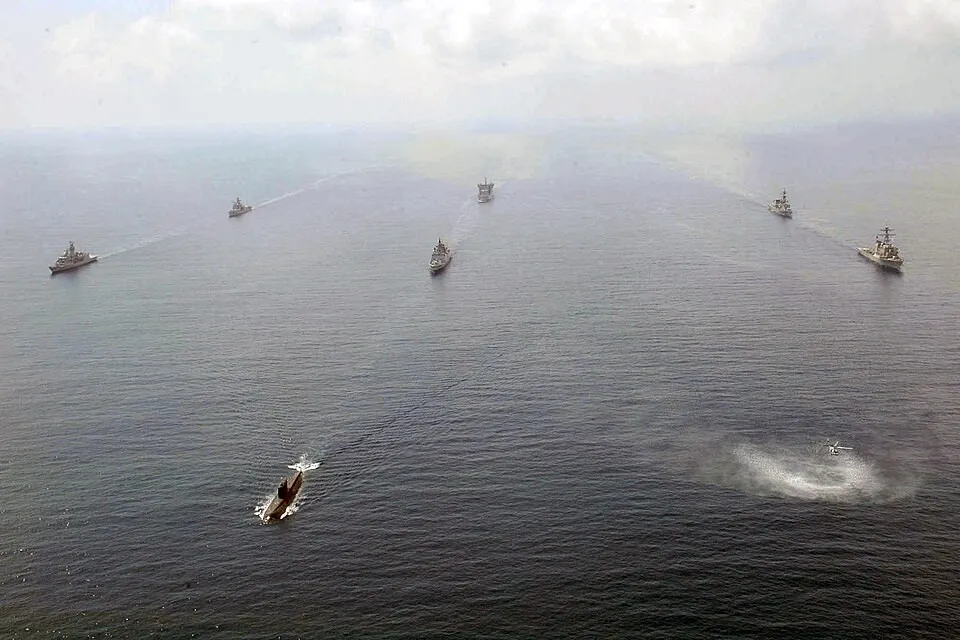
Why Malabar 2026's sub-hunting focus matters more for Taiwan than the Quad summit optics
Malabar 2026 opened on 5 November with the Quad navies rehearsing submarine hunts while China kept more than 100 ships at sea around Taiwan's approaches.
TaiwanDefence · 3h ago · 4 min read

Why China's dark-ship coast guard probes at Pratas matter more than the expulsion count
On 31 October 2026 a Chinese coast guard ship ran dark into Pratas restricted waters, the 13th such entry this year, and analysts say the real test is supply access.
TaiwanDefence · 3h ago · 4 min read
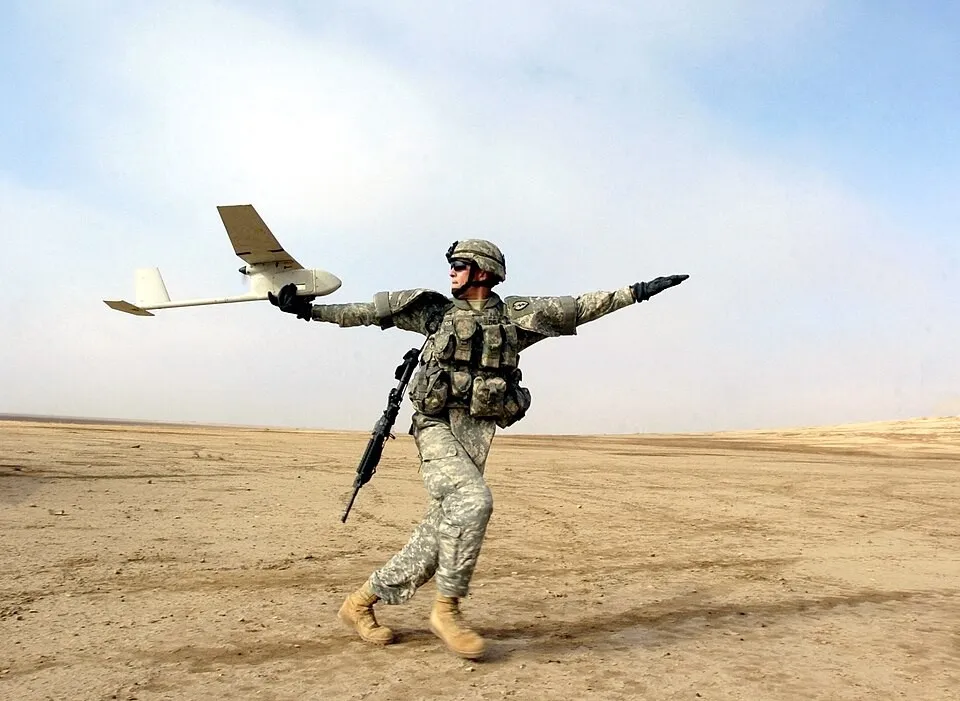
Why CENTCOM's unmanned surge matters more for Taiwan as a joint-force scaling template
In November 2026 the Pentagon said Central Command received more than 25,000 unmanned systems this year, a fielding it frames as the start of joint-force scaling toward the Pacific.
TaiwanDefence · 5h ago · 4 min read
Discussion (0)
Comments are not currently available.