
ANALYSIS
Why Taiwan's quieter NT$237bn mine-hunting USV line matters more than the suicide-boat race
Commercial Times on 4 November 2026 put a late-2027 mine-warfare unmanned tender beside the attack-boat exhibition frenzy; the budget book already funds twelve surface craft and matching underwater kits.
TAIPEI —
This article is an original Taiwan Defence analysis based on the cited public sources. It distinguishes reported facts from analytical judgments and does not represent original field reporting.
On 4 November 2026, Commercial Times coverage of Taiwan's Ocean Technology and Unmanned Vehicle Exhibition noted that beside the loud race for more than a thousand one-way attack boats, the Navy's 2027 budget book still carries a quieter line: about NT$237 billion to buy twelve maritime mine-hunting unmanned surface vessels and matching underwater kits, with market talk pointing toward a late-2027 tender. That date is the current hook.
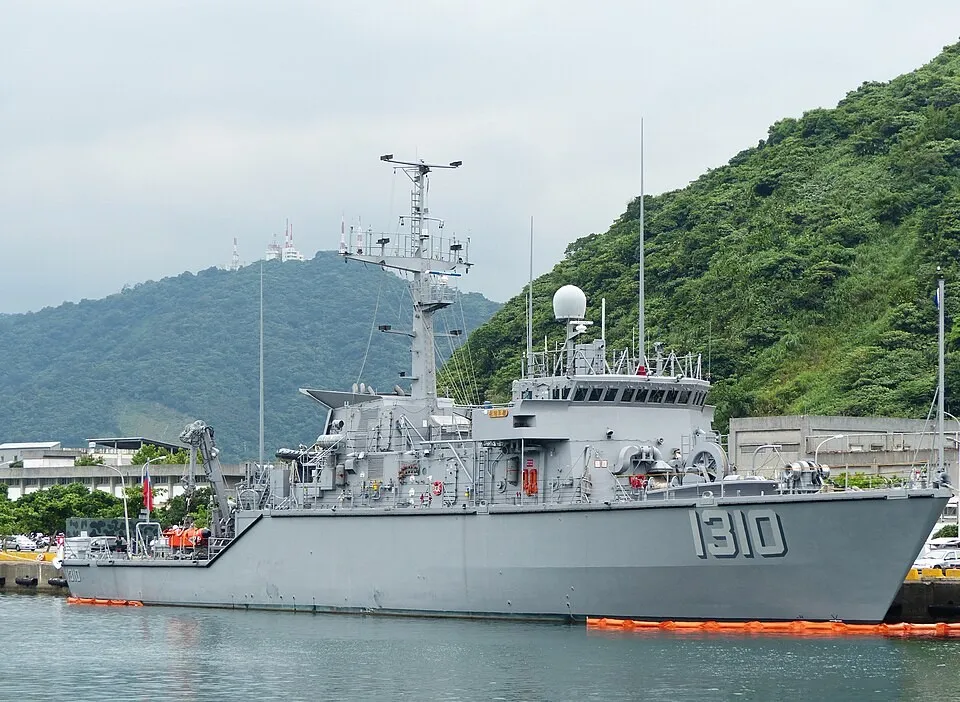
Judgment: for harbour survival and sealift under blockade pressure, the mine-warfare unmanned package matters more than the suicide-boat spectacle that dominated November industry headlines. Taiwan already has a manned minehunter force; it does not yet have a scaled unmanned mine-hunting layer that can keep ports open when the first island chain is mined.
What the budget book actually funds
Formosa TV reporting on the 2027 defence budget book said the Navy moved a mine-warfare unmanned package into open appropriation under an underwater combat-systems heading, worth about NT$237.74 billion. The line buys twelve surface unmanned vessels, twelve underwater unmanned vehicles, twelve towed sonar sets, eighteen mine-hunting equipment packages and a new mission-control centre, rather than a single boat class alone.
China Times reporting on the same budget filing said the mine-warfare unmanned case was approved on 7 August 2026 and is programmed from 2027 through 2033, with the first year focused on overall planning and design rather than mass delivery. That schedule puts the quiet package years behind the political heat of the one-way attack boat debate, which is exactly why it is easy to miss.
Formosa TV also noted that Taiwan's manned minehunter inventory is six ships, while the unmanned buy is sized around twelve surface craft and eighteen mine-hunting kits, implying the unmanned layer is meant to expand capacity beyond the hull count rather than merely replace it one-for-one.
Why mine warfare is the quieter bottleneck
Judgment: one-way attack boats are designed to hit landing and logistics ships. Mine warfare decides whether Taiwan's own ports, approaches and emergency sealift lanes stay usable after an adversary lays mines or after Taiwan lays its own defensive fields. A Navy that fields mass one-way boats but cannot clear or manage mines risks winning a tactical strike argument while losing the logistics fight that keeps the island supplied.
Commercial Times placed the mine-hunting unmanned line next to the NT$296.6 billion one-way attack boat programme in the same industry narrative, but the exhibition energy, alliance MOUs and year-end tender chatter concentrated on the attack boats. The mine package remained a budget footnote even though its price tag is in the same hundred-billion class.
Formosa TV's reading of the open budget language stresses pairing unmanned kits with the existing minehunter fleet to raise detection and clearance tempo. That is an evolution of manned MCM, not a substitute for coastal strike drones, and it should be scored as a separate readiness problem.
What the November exhibition noise obscured
Commercial Times reported that CSBC, Havoc, Thunder Tiger-linked teams and a Taiwan Marine Autonomous Systems Alliance used the early-November show to advertise local production and autonomy software for Navy and Coast Guard unmanned-boat bids. That industrial energy is real. It is also mostly aimed at the attack-boat and general USV market, not at the specialised non-magnetic, sonar-heavy mine-hunting profile the underwater combat-systems case describes.
Judgment: if industry and lawmakers treat every USV headline as interchangeable, Taiwan will over-index on one-way attack saturation and under-index on the slower, less photogenic work of keeping channels open. The 4 November reporting is useful precisely because it put both lines on the same page and still showed which one is attracting the alliance theatre.
Calendar risk
China Times said the mine-warfare unmanned programme's near-term money is for planning and design. Formosa TV said the package runs across multiple years into the early 2030s. Commercial Times market talk pointed to a late-2027 tender window for the mine-hunting boats, later than the year-end chatter around the first one-way attack tranche.
Judgment: a late-2027 mine-hunting tender means Taiwan could enter a 2027 uncrewed coastal-strike IOC window while still waiting for the unmanned mine-warfare layer to leave the planning stage. That sequencing is a force-design choice, not an accident of newspaper attention, and it should be debated as such before the attack-boat race sets the entire unmanned-surface narrative.
China Times and Formosa TV both treat the mine package as a way to raise the effectiveness of today's minehunters rather than as a glamorous new ship class. That framing is correct, and it is also why the programme needs louder civilian oversight: low-visibility budget lines slip when exhibition demos dominate the conversation.
What to watch next
The practical tests are whether the late-2027 tender talk hardens into published solicitation documents, whether the twelve-plus-twelve unmanned mix stays intact through Legislative review, and whether industry teams that spent early November advertising attack-boat autonomy also bid the quieter mine-warfare requirement with the sonar, magnetic and control-centre package the budget language implies.
Judgment: Taiwan does not lack unmanned-surface ambition. It risks mis-ordering that ambition. The 4 November 2026 Commercial Times hook is a reminder that the mine-warfare unmanned line is already in the open budget at roughly NT$237 billion. If that line stays quiet while attack-boat alliances fill the news cycle, harbour resilience will remain the underfunded half of the same unmanned-surface story.
Sources
More in Analysis
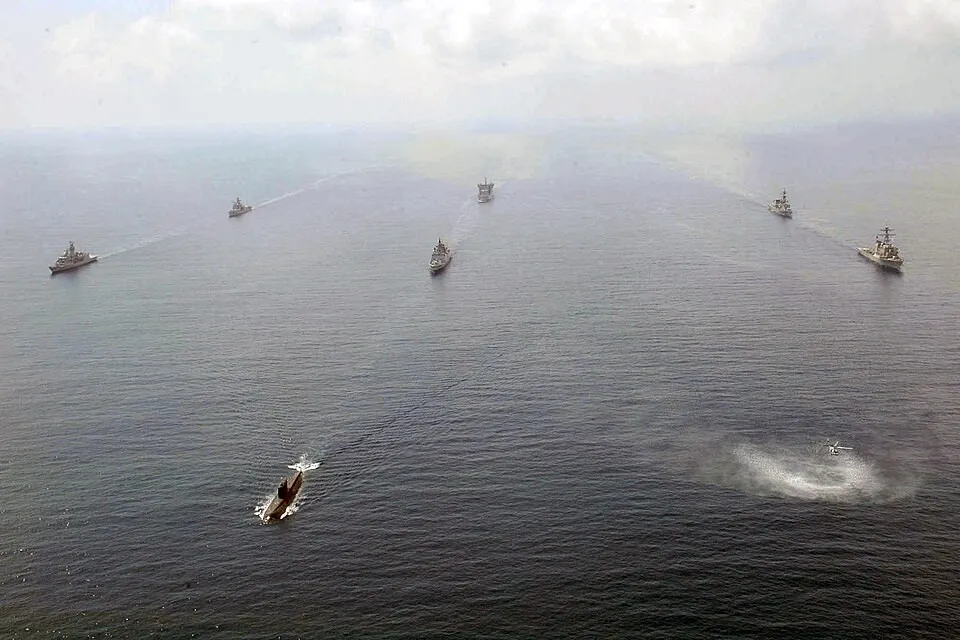
Why Malabar 2026's sub-hunting focus matters more for Taiwan than the Quad summit optics
Malabar 2026 opened on 5 November with the Quad navies rehearsing submarine hunts while China kept more than 100 ships at sea around Taiwan's approaches.
TaiwanDefence · 3h ago · 4 min read

Why China's dark-ship coast guard probes at Pratas matter more than the expulsion count
On 31 October 2026 a Chinese coast guard ship ran dark into Pratas restricted waters, the 13th such entry this year, and analysts say the real test is supply access.
TaiwanDefence · 3h ago · 4 min read
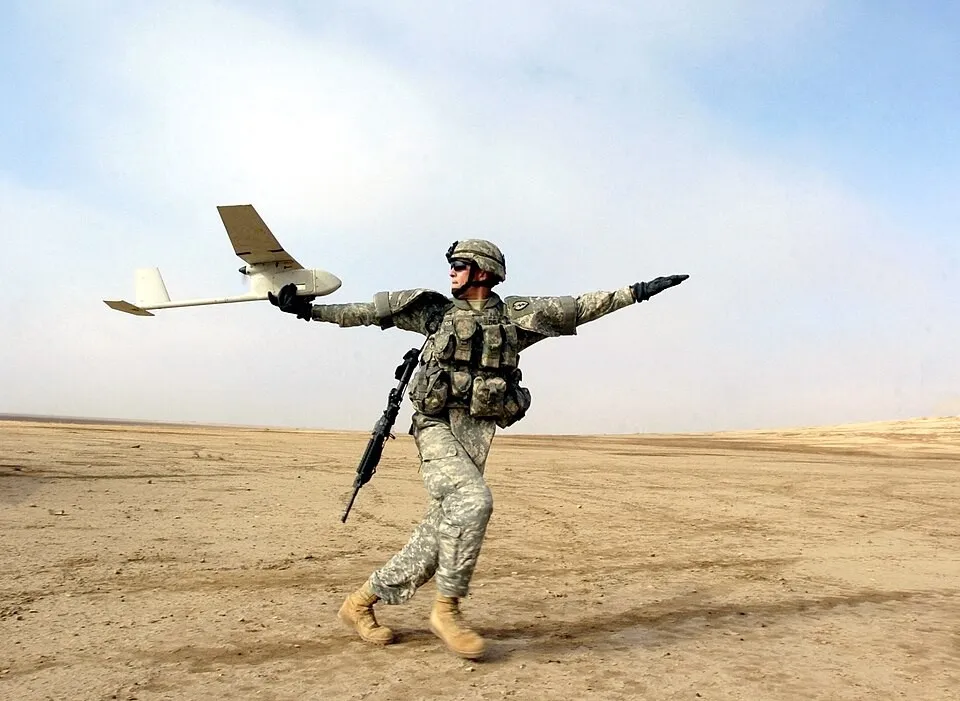
Why CENTCOM's unmanned surge matters more for Taiwan as a joint-force scaling template
In November 2026 the Pentagon said Central Command received more than 25,000 unmanned systems this year, a fielding it frames as the start of joint-force scaling toward the Pacific.
TaiwanDefence · 5h ago · 4 min read
Discussion (0)
Comments are not currently available.