ANALYSIS
Why the US backing of IAEA talks on Seoul's nuclear submarines in November 2026 matters
The State Department's 27 November 2026 answer to China keeps South Korea's Article 14 safeguards talks with the IAEA, but fuel supply and board politics remain the programme's weak points.

TAIPEI —
This article is an original Taiwan Defence analysis based on the cited public sources. It distinguishes reported facts from analytical judgments and does not represent original field reporting.
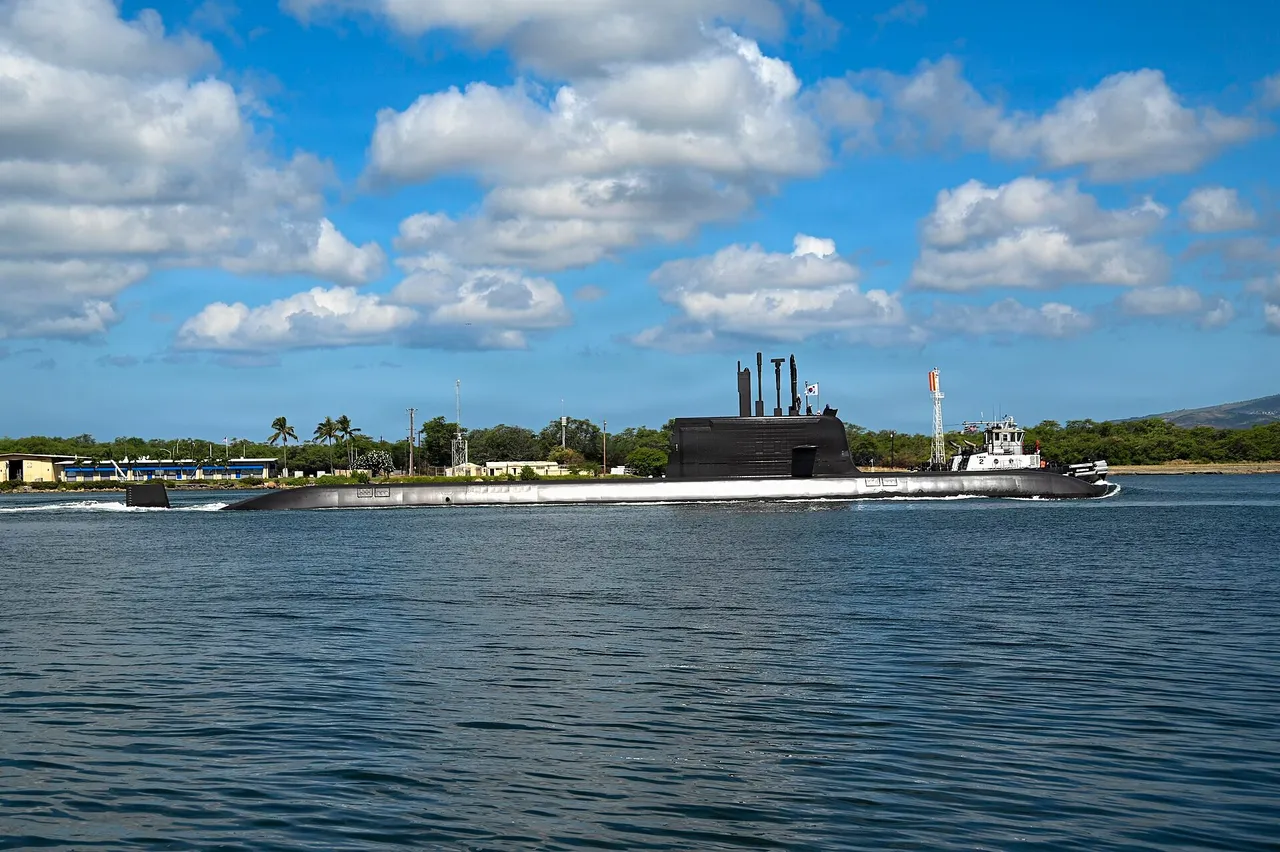
On 27 November 2026 the US State Department said the International Atomic Energy Agency already has the authority to negotiate how safeguards apply to South Korea's planned nuclear-powered submarines, including a special arrangement under Article 14 of Seoul's safeguards agreement. The written answer to Voice of America came nine days after China told the agency's Board of Governors that such talks should first be settled by the board and all member states.
The exchange looks procedural, but it goes to the heart of the programme. Seoul can design hulls and reactors at home. What it cannot do alone is decide how the uranium that fuels those reactors is accounted for once it disappears into a submarine that may stay at sea for months. That question will be answered in Vienna, and the November 2026 clash shows it is now the most politically exposed part of the project.
What the IAEA has on the table
The agency's starting point is favourable to Seoul. At its regular board session from 18 to 20 November, the IAEA discussed a first Director General report titled Naval nuclear propulsion: Republic of Korea and released it on 19 November, South Korea's foreign ministry said. The report traces contacts with Seoul since the 2025 summit announcement, records that South Korea has met its reporting duties under its Comprehensive Safeguards Agreement and Additional Protocol, and welcomes technical consultations. The agency has also kept its broader conclusion, renewed every year since 2007, that all nuclear material in South Korea remains in peaceful activities.
The process is moving step by step. Seoul told the agency in June 2026 that it wanted an Article 14 arrangement, formally notified the start of talks in September with declarations and preliminary design information, and held a first technical consultation on 8 October, Yonhap and VOA reported. The report says South Korea plans to make the fuel at home from imported low-enriched uranium enriched to no more than 20 percent, without naming a supplier. Further talks are planned next year, and a finished arrangement would go to the board for appropriate action.
Article 14 lets a state without nuclear weapons agree with the agency to suspend normal safeguards on nuclear material while it is used for a permitted military purpose, such as propulsion. The IAEA already reports each year on Australia, since 2022, and Brazil, since 2023, as both work through their own submarine projects. South Korea now joins that small group, with the annual report as a new public checkpoint.
Beijing's objection and Washington's answer
China's ambassador in Vienna, Li Song, used the 18 November board meeting to argue that the method of monitoring the submarine fuel should be decided by the board and the full membership, not only by technical talks between the agency and Seoul. He also described US-South Korean cooperation as a second case after AUKUS of nuclear material being transferred for what China calls non-peaceful purposes. Those are Chinese positions, not findings of the agency.
Washington's reply was that the IAEA's existing mandate covers Article 14 talks. US Ambassador Wells Griffith welcomed the consultations at the board as consistent with that mandate and with South Korea's obligations under the Nuclear Non-Proliferation Treaty, and the European Union praised Seoul's reporting record.
The stakes of that procedural point are large. If every member had to agree before talks could move, any single government could slow the arrangement for reasons unrelated to safeguards. Keeping the talks with the secretariat, with the board reviewing a finished text, leaves Beijing a platform to object but no early veto. China has run the same argument against AUKUS for years without stopping it, which suggests its goal is to raise the political cost and set a record of objection rather than to block Seoul outright.
Where the real risks sit
That does not make the path smooth. The unnamed fuel supplier is the biggest open question. The 2025 summit fact sheet committed Washington to cooperate on requirements including fuel sourcing, yet the IAEA report still lists no supplier, and any transfer of enriched uranium for naval use would give China new material to attack at the board. Domestic fuel fabrication also means Seoul will need accounting arrangements for a fuel cycle step it has not run for military reactors before.
Time is the second pressure. Seoul aims to launch its first nuclear-powered submarine in the mid-2030s, SBS reported. A safeguards arrangement that drags on, or reaches the board amid a wider US-China dispute, could stall fuel deliveries even if the shipyards are ready. Seoul's best defence is the one it is using: early reporting, open technical talks and the agency's clean record on South Korea.
Three markers will show whether the November 2026 position holds. The first is whether South Korea and the IAEA reach a draft Article 14 text in 2027 talks. The second is whether Washington names the source of the low-enriched uranium. The third is how the board handles the arrangement when it arrives, including whether China wins backing for a wider vote. Until then, the agency's first report gives Seoul a solid base and Beijing a forum to keep pressing.
Sources
More in Analysis
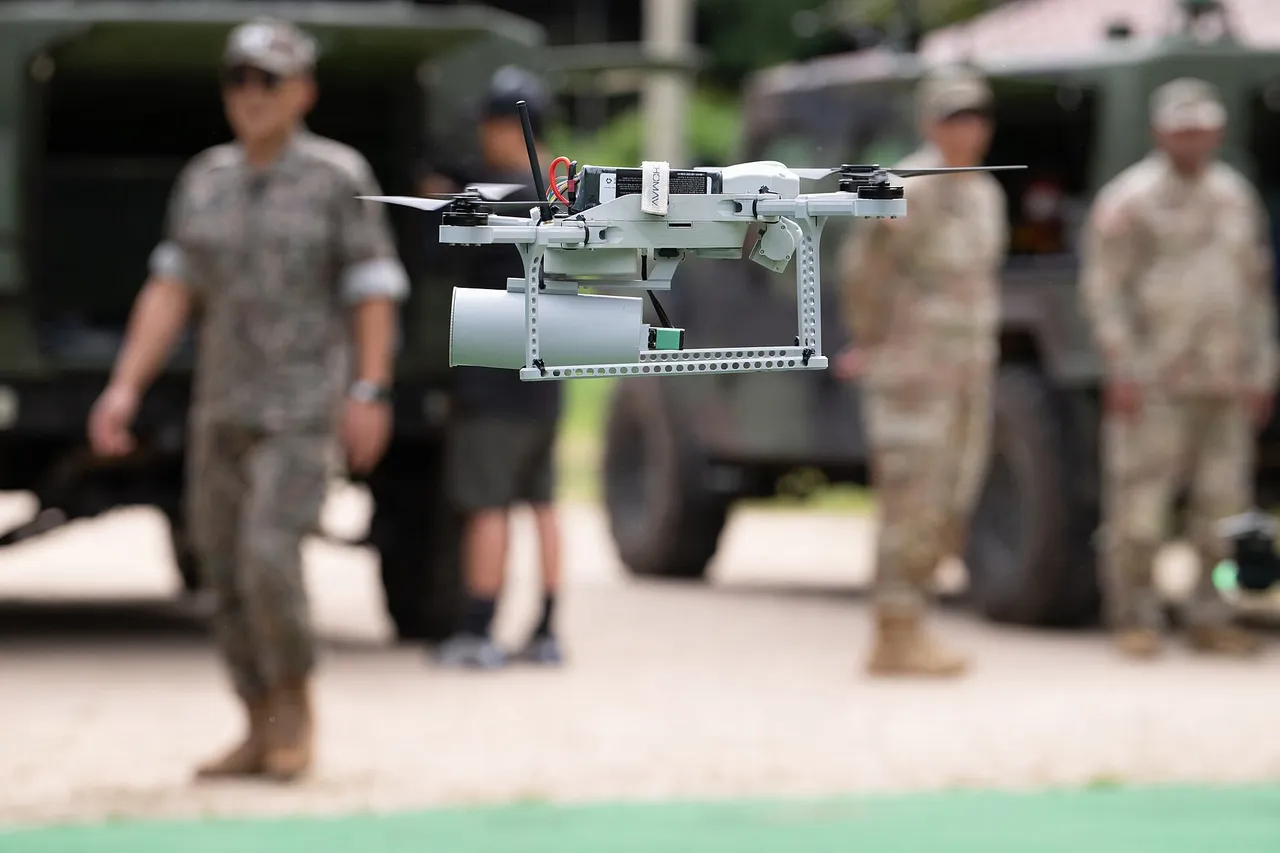
Why South Korea is turning to drone-armed reservists as its active army shrinks towards 2040
A 27 November 2026 visit to the 72nd Infantry Division showed Seoul's plan for 100 reserve drone units by 2030 and 50,000 standing reservists by 2040, a bet that covers only part of the gap.
TaiwanDefence · 1d ago · 4 min read
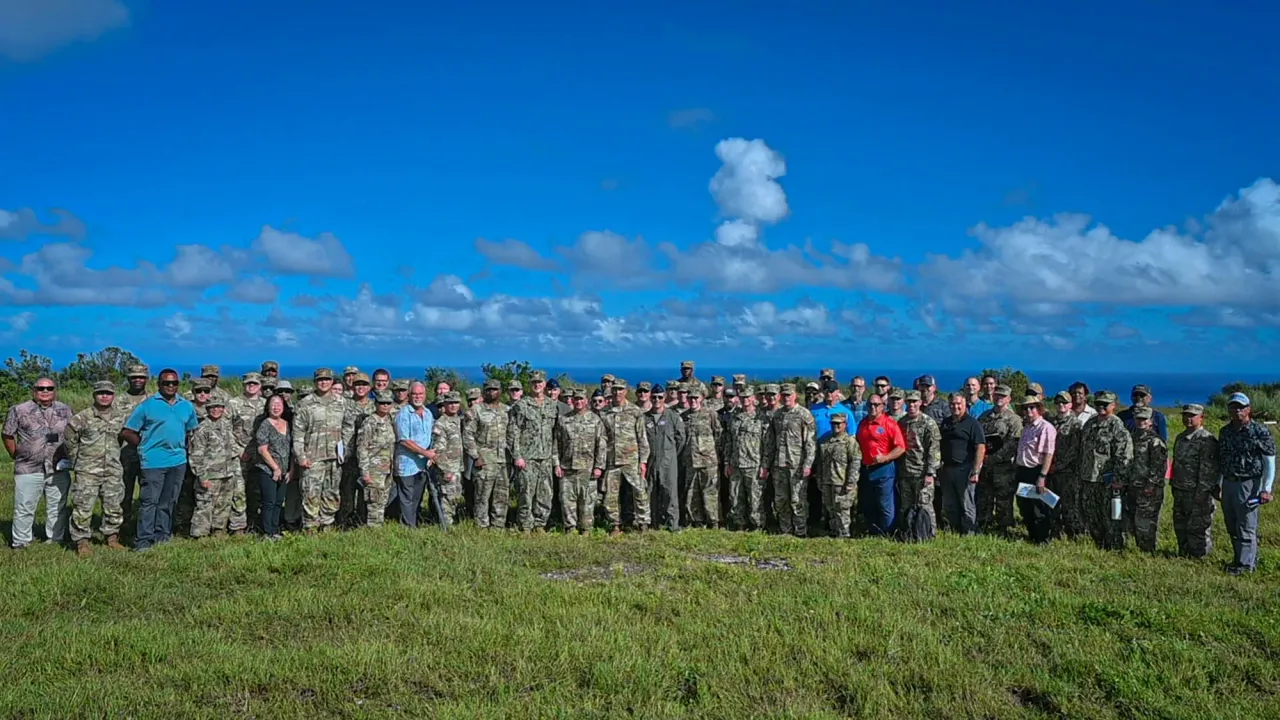
Why Guam's missile shield, mapped out in November 2026, still leaves its air and naval bases waiting
A joint terrain walk and a congressional report in November 2026 show the Army racing to put 20 IFPC launchers on Guam by mid-2027, but only to guard Army sites.
TaiwanDefence · 1d ago · 3 min read
Why Taiwan's Huanzhan air-defence network, declared ready in November 2026, is only the start of T-Dome
Taiwan's air force declared its joint air-defence command network combat-ready on 26 November 2026, but the AI layer, new interceptors and base links still lag.
TaiwanDefence · 2d ago · 4 min read
Discussion (0)
Comments are not currently available.