
AIDC says military drones and aircraft stay on a non-red supply chain after China-parts claim
Taiwan's state aerospace firm says a contested import record covers civilian engine parts chosen by a foreign customer, not unmanned or combat aircraft work.
TAIPEI —
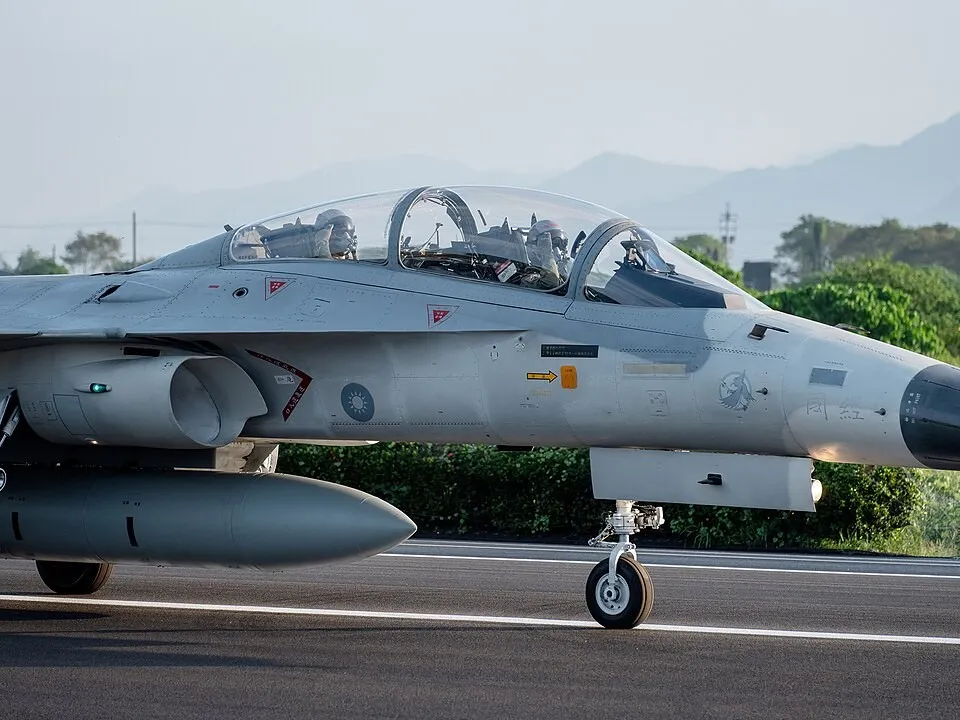
Aerospace Industrial Development Corporation, Taiwan's main aircraft maker, said on 6 November that its unmanned aircraft and military aircraft programmes stay on a non-red supply chain and do not buy Chinese-made parts, after a 5 November report claimed the state-backed firm had imported mainland components for drones.
The company said the contested import record exists but covers civilian engine manufacturing. According to AIDC, an international engine customer specified the Chinese parts for that civil work, and the purchase has no link to domestic unmanned or combat aircraft projects.
Liberty Times and TaiSounds reported that online posts and the contested article pointed to a shipment dated 11 October 2025 from a Guizhou company, valued at about US$94,860, that critics labelled as drone parts. AIDC said that framing mixes civil engine work with military programmes.
AIDC said its businesses span military aircraft, civil aircraft, unmanned systems, civilian engine manufacturing, technology services and information services. It said military aircraft and unmanned programmes must pass customer reviews that enforce a non-red supply chain from design and parts sourcing through supplier management and system integration.
In a written statement carried by Youth Daily News and other outlets, the firm accused the contested report of publishing without checking with the company and of stitching the civil engine purchase into a drone narrative. AIDC said that presentation damaged its reputation and public trust in how it handles defence supply security.
The clarification lands amid a wider Taiwan debate over de-redding defence and dual-use supply chains, as Taipei pushes unmanned systems and indigenous aircraft work that must clear customer and government scrutiny on component origin.
AIDC asked media to verify claims and keep military programmes separate from civil engine contracts where foreign customers pick part sources. It did not name the international engine maker or list which civil engine lines use the Chinese-sourced pieces.
Youth Daily News and Liberty Times both quoted the company as saying product design, parts sourcing, supplier management and system integration for military aircraft and unmanned systems all follow non-red rules. Neither outlet reported an independent audit of AIDC's bill of materials in this round of coverage.
Central News Agency summarised three points from the company: the drone-parts claim is false for military programmes; the import record is real but civil; and national-security lines of work stay under non-red controls. TaiSounds carried the same distinction between civil engine parts and military or unmanned projects.
For Taiwan's defence industry, the episode is a public test of how firms that do both civil and military work document supply-chain walls. AIDC's answer is that the walls exist and that the contested shipment sits on the civil side; rival claims that the same record proves military China-sourced content remain unverified in the reporting cited here.
The company did not release a line-item bill of materials for the civil engine contract, and the reporting cited here does not include customs paperwork beyond the figure and date already in circulation. What the outlets do establish is AIDC's official split between non-red military and unmanned lines and a customer-directed civil engine purchase.
Youth Daily News, which covers defence industry statements closely, framed the reply as a defence of national-security supply rules rather than a denial that any Chinese-origin parts enter AIDC's wider factories. That distinction matters for buyers who treat military and civil shops under different audit regimes.
Sources
More in Industry
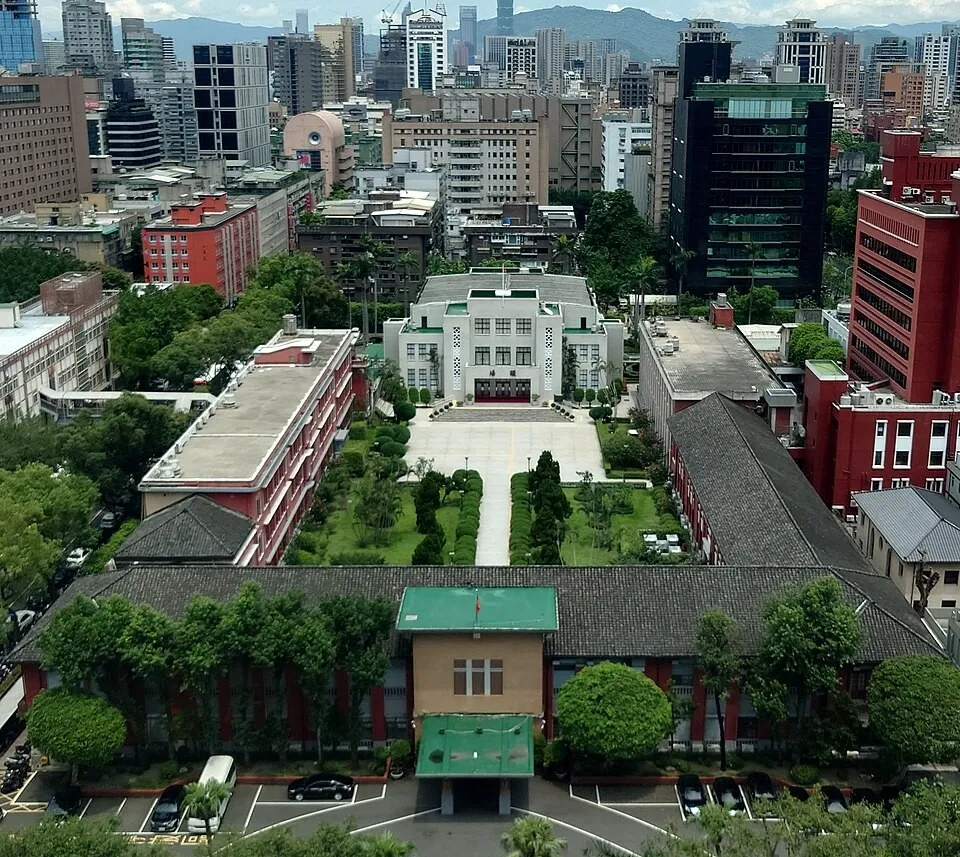
Lawmakers unfreeze 74 defence budget items while Stinger LOA and NASAMS stay stuck
A Legislative Yuan defence committee released funding for Stingers, drone missiles, a light-cruiser prototype and Mk 48 torpedoes, but left NASAMS, F-16V missiles and Hai Kun follow-on boats unresolved.
TaiwanDefence · 1d ago · 2 min read
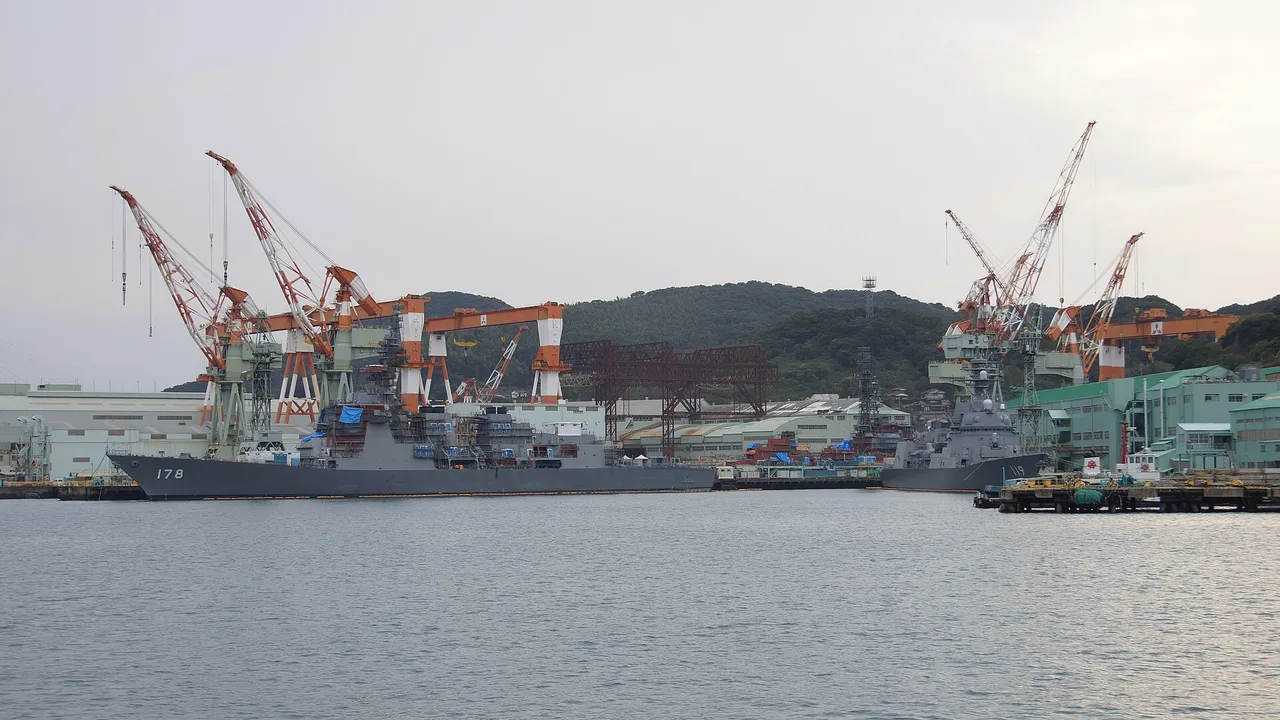
Koizumi tells Japan's arms makers to hold spare wartime capacity as first industry strategy takes shape
Japan's defence and industry ministers met major contractors on 4 November and set out plans for reserve production lines, export-led output and a new state agency.
TaiwanDefence · 2d ago · 3 min read
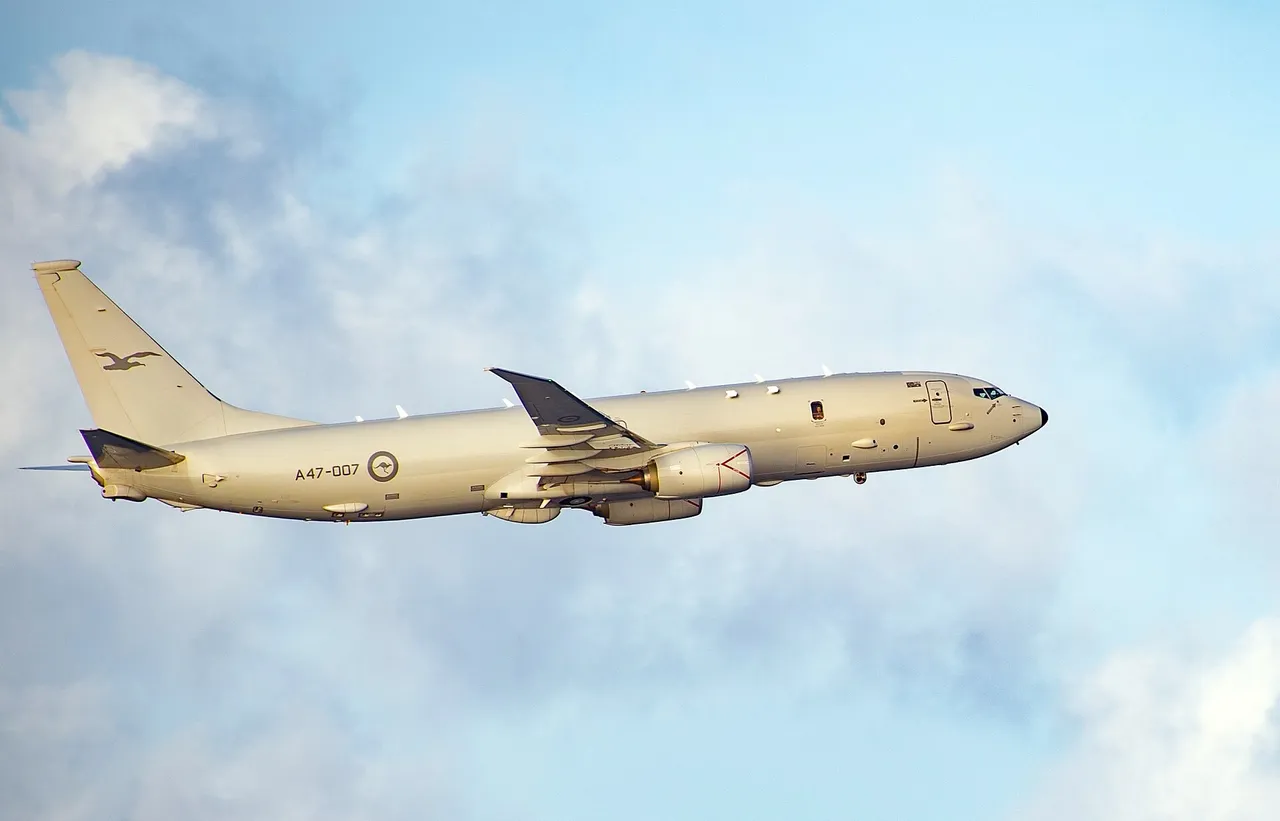
US Navy orders more Poseidon upgrade kits for American and Australian sub hunters
A US$119.7 million award buys nine more Increment 3 Block 2 retrofit kits for P-8A patrol aircraft, seven for the US Navy and two for the Royal Australian Air Force.
TaiwanDefence · 2d ago · 3 min read
Discussion (0)
Comments are not currently available.