
US Army runs five new interceptor races, including a Patriot missile under $1m
The Army's fires acquisition chief says buying more PAC-3 MSEs is not enough, so it is opening air-defence missile contests to more and cheaper suppliers.
TAIPEI —
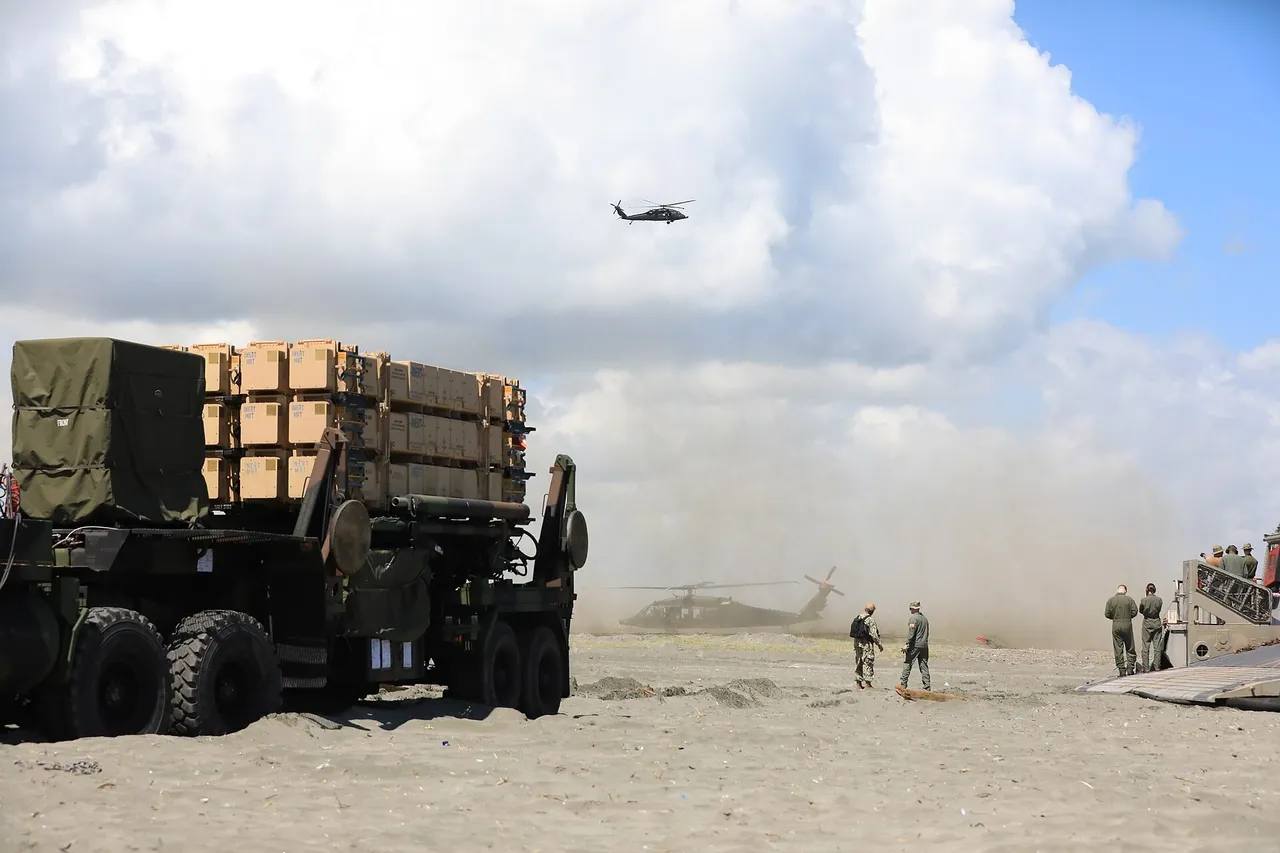
The US Army is now running at least five separate programmes to buy new air-defence interceptors, from a cheaper Patriot missile to a replacement for the Stinger, and it is reopening several of those contests to companies that lost out earlier, its top weapons buyer for fires said at the Association of the US Army (AUSA) annual convention in Washington on Tuesday, 13 October 2026.
Lieutenant General Frank Lozano, the Army's Portfolio Acquisition Executive for Fires, told a panel that the service would keep buying more PAC-3 Missile Segment Enhancement (MSE) interceptors for Patriot, with a long-standing goal of reaching 2,000 a year. But he said simply buying more of one good missile was the easy answer, and that the Army was looking at overall missile demand that could run to 4,000, 6,000 or even 8,000 rounds, The War Zone reported.
The five efforts cover different layers of air defence. The Low Cost Interceptor (LCI) seeks a lower-tier Patriot missile costing no more than US$1 million each, against an average of about US$4 million for a PAC-3 MSE in recent years. The Next-Generation Short-Range Interceptor is meant to replace the Stinger and must fit existing vehicle and shoulder-fired launchers, while the Next-Generation Counter-UAS Missile would add a new drone-killing round to the launchers now used for the Coyote interceptor.
The Second Interceptor programme would give the new Enduring Shield launcher, also known as Indirect Fire Protection Capability Increment 2, a missile better able to stop cruise missiles than the AIM-9X Sidewinder it fires today. A separate Future Interceptor effort, also for Patriot, aims at hypersonic missiles and other high-end threats.
Lozano said Lockheed Martin and a Boeing team working with Anduril had moved into the second phase of the Second Interceptor competition, but that he wanted the capability sooner than a standard five-year funding plan would deliver it. The Army will therefore hold an open shoot-off in the fourth quarter of fiscal year 2027, giving range time and targets to other firms that kept investing after missing the first cut. The Next-Generation Short-Range Interceptor contest between Lockheed Martin and Raytheon will get a similar open shoot-off.
Brigadier General Guy Yelverton, who oversees defensive fires programmes, told Breaking Defense the Army could end up choosing two Second Interceptor vendors, one from each path, because it needs many suppliers producing at the same time. Lozano added that LCI would accept bids not only for complete missiles but also from component makers and system integrators teaming up to compete.
Army acquisition chief Brent Ingraham warned that the munition deals depend on where the 2027 budget lands, since much of the planned missile buying sits in a reconciliation request that lawmakers have not yet taken up, Breaking Defense reported. Lozano cited the war with Iran, the wider Middle East fighting and the war in Ukraine as proof that stockpile depth, resupply speed and cost now matter as much as missile performance.
The squeeze reaches US partners too. Taiwan's defence ministry told lawmakers in March 2026 that the United States had promised to ship 102 additional PAC-3 MSE missiles this year, interceptors that come from the same production lines the US Army is now trying to widen.
Sources
More in Indo-Pacific
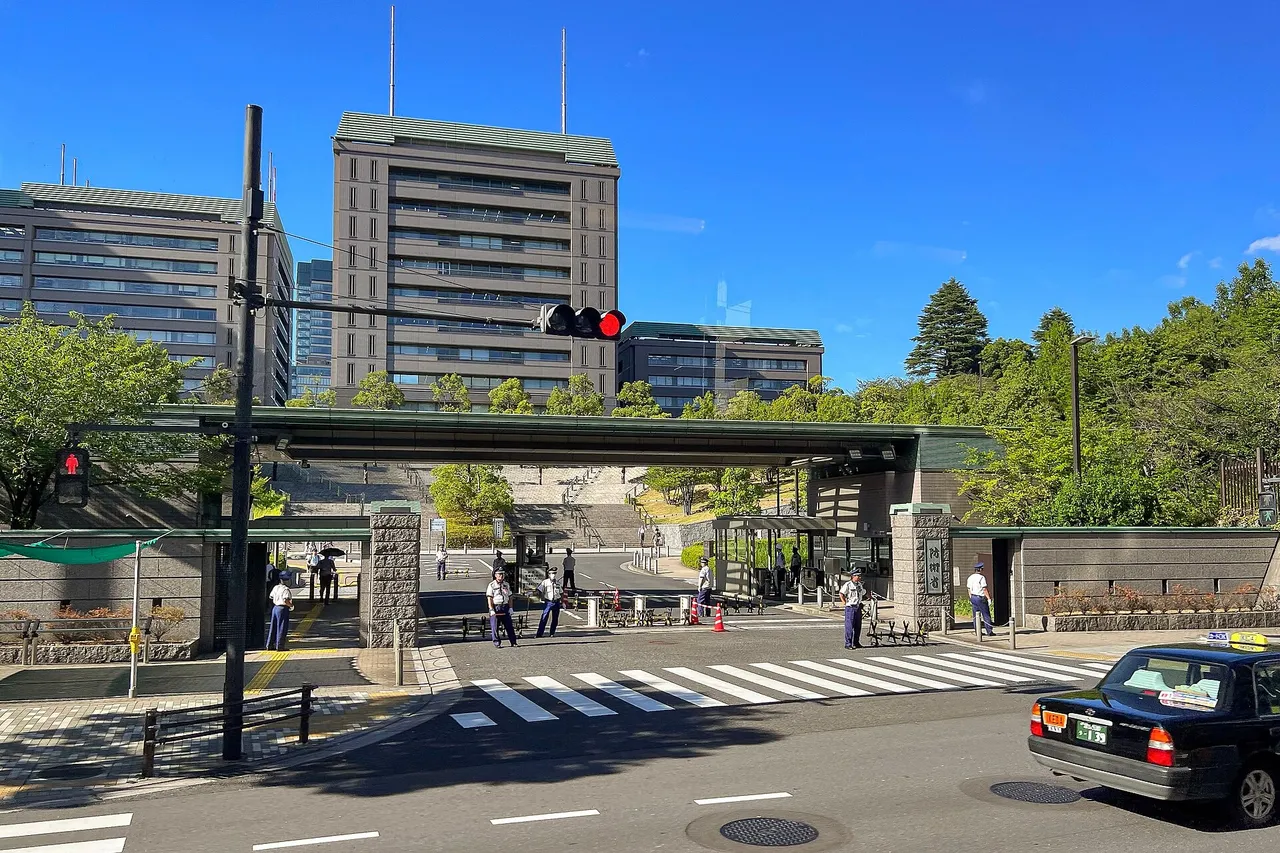
Japan moves to jail unapproved land buyers near SDF bases exposed to drone attack
A draft bill shown to Japan's ruling party would require state permission for land deals within about 1km of drone-vulnerable military and coast guard sites, with up to three years in prison for violators.
TaiwanDefence · 13h ago · 3 min read
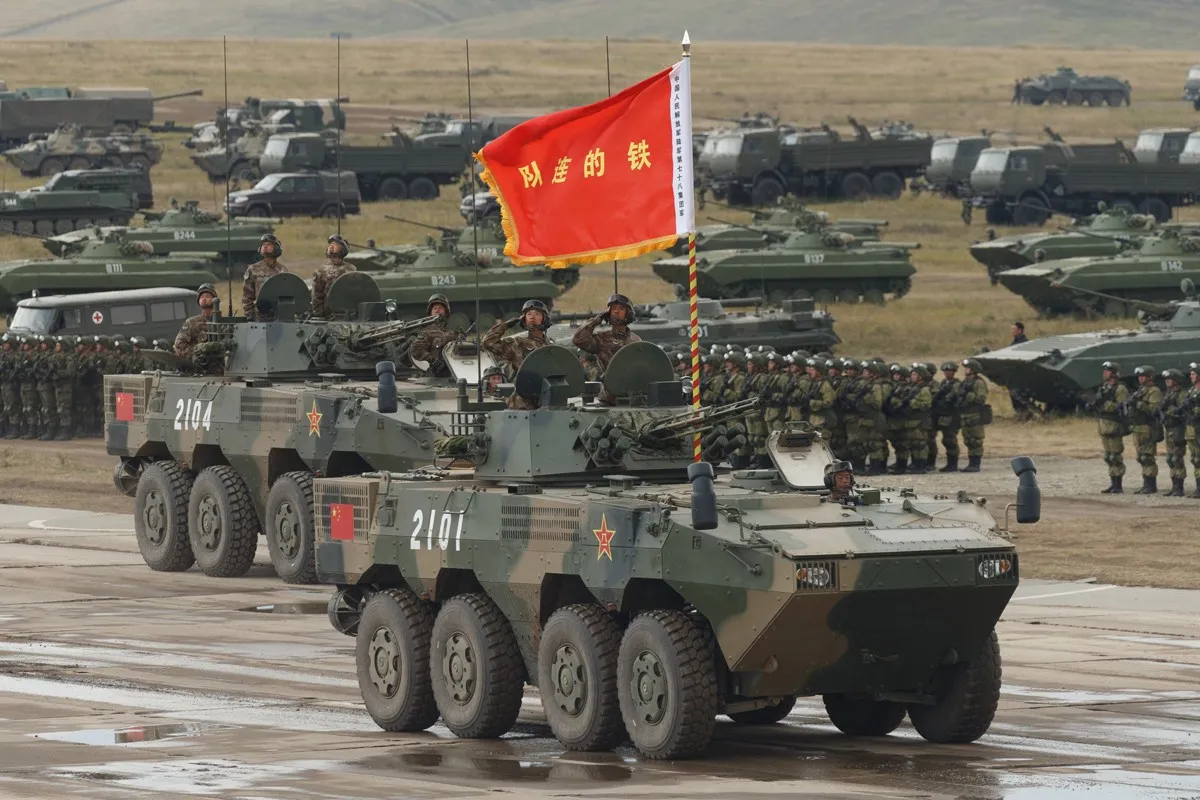
China's PLA and Pakistan's army open their first joint ground drill in Xinjiang
Karakoram 2026 brings regular army units into a China-Pakistan military partnership that already spans jets, missiles and warships, and India is watching closely.
TaiwanDefence · 15h ago · 2 min read
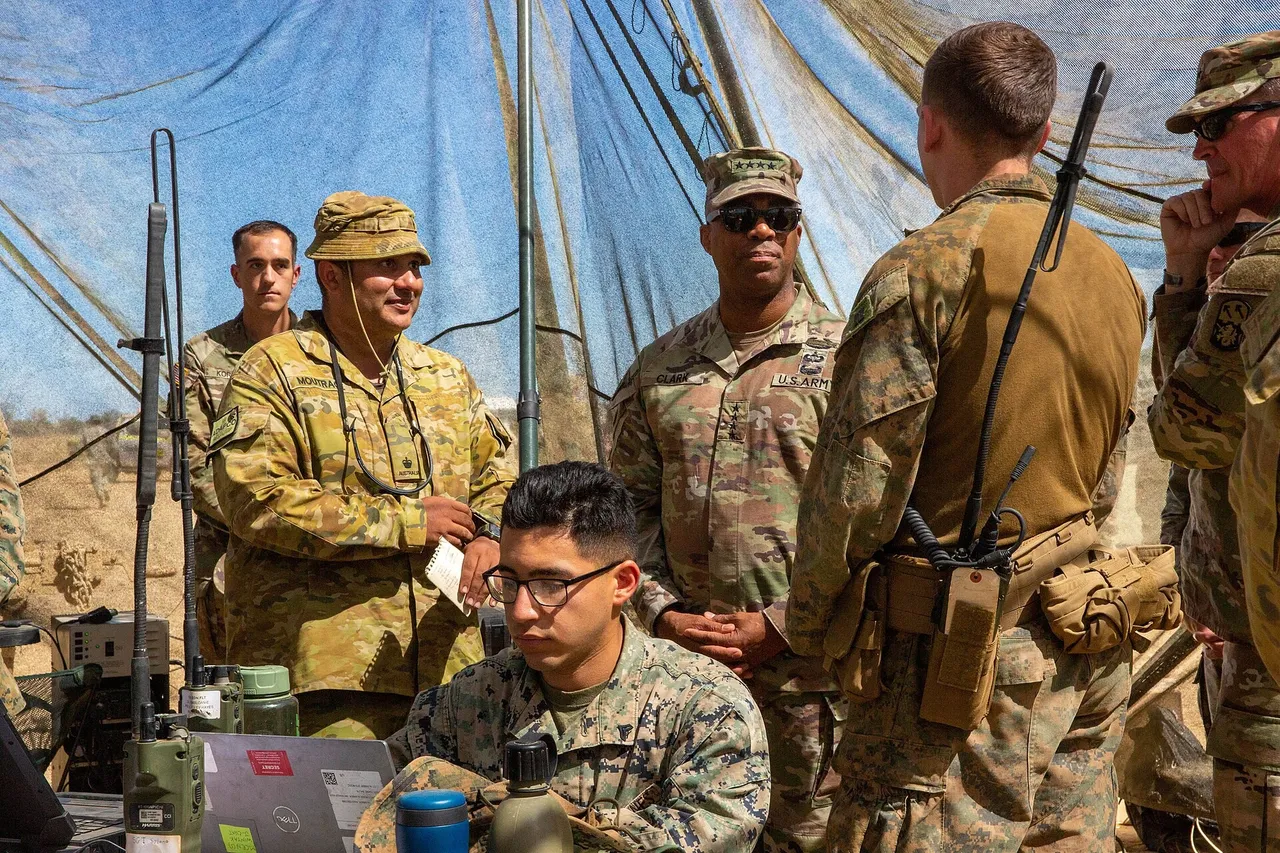
US Army Pacific chief says China keeps preparing for war despite Trump-Xi thaw
Gen. Ronald Clark says Patriot moves to the Iran war have not raised Pacific risk, but a US budget freeze is holding up new long-range fires.
TaiwanDefence · 18h ago · 3 min read
Discussion (0)
Comments are not currently available.