Lai presses US lawmakers to move from arms sales to joint drone and AI development with Taiwan
President Lai Ching-te told two visiting US congressional delegations on 8 October that Taiwan wants to co-develop and co-produce drones, counter-drone systems and AI tools.
TAIPEI —
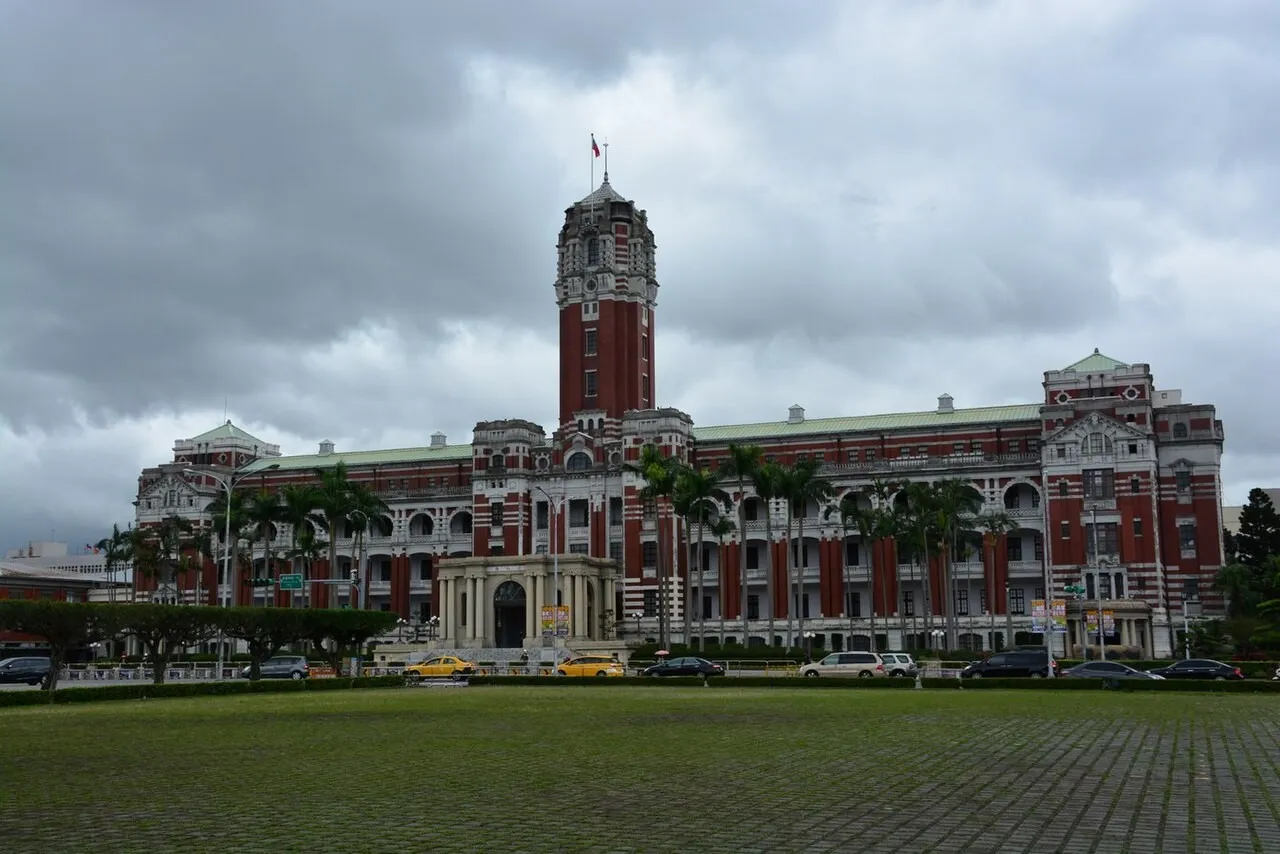
President Lai Ching-te said on Thursday, 8 October, that Taiwan hopes its defence cooperation with the United States will gradually shift from buying American weapons to developing and producing them together, as he received a delegation of US House members at the Presidential Office in Taipei.
Lai told the group, led by Brendan Boyle, the senior Democrat on the House Budget Committee, and including Representatives Andrea Salinas and Tim Kennedy, that he wanted more cooperation in particular on building drone and counter-drone systems, using artificial intelligence to support military decision-making and improving logistics for combat operations. He said joint work would strengthen the resilience and capacity of both sides' defence industries.
Meeting a separate delegation led by US Senator Michael Bennet of Colorado the same morning, Lai said he hoped Taiwan and the United States could build a drone supply chain that does not depend on China, and deepen cooperation on space and industry, according to the Presidential Office.
Spending and deterrence
Lai told Bennet's group that Taiwan's overall defence budget had reached 3.2% of GDP this year and would rise to 3.9% next year, more than 20% of central government spending, with a goal of 5% of GDP before 2030. He said the aim was not only to spend more but to change how Taiwan defends itself, by bringing in AI, uncrewed vehicles, space technology and new communications and command systems to build a smarter, more dispersed and more resilient force for asymmetric warfare.
Bennet praised the Legislative Yuan for passing a special arms procurement budget of more than US$24 billion, with more than US$7 billion for uncrewed systems, the Presidential Office said. He said the wars in Ukraine and the Middle East had shown the importance of such systems and that fielding them in Taiwan would strengthen deterrence, and pledged to work with colleagues to make sure support already authorised and funded is delivered.
Lai thanked Bennet for joining a cross-party letter in February that backed higher Taiwanese defence spending, for introducing a First Island Chain deterrence bill in March that addressed weapons deliveries to Taiwan and other partners, and for co-sponsoring a Taiwan Six Assurances bill in July.
Arms package still pending
In Washington, Taiwan's representative to the US, Alexander Yui, told a National Day reception on 7 October that the meeting between President Donald Trump and Chinese leader Xi Jinping at the end of September showed that Washington's position on Taiwan had not changed, and that he believed US arms sales would continue.
Asked about a US$14 billion package still awaiting the Trump administration's approval, Yui said Taiwan respected the US timetable and believed Washington understood its defence needs. He cited the arrival of the first two of 66 F-16V Block 70 fighters Taiwan bought from the US as one sign of a growing relationship.
The push for joint production echoes US legislation. The compromise version of the annual US defence policy bill released in December 2025 directed the Pentagon to seek a joint programme with Taiwan to field uncrewed and counter-uncrewed systems for both militaries, including co-development and co-production, and to brief Congress on progress each year through 2029, DefenseScoop reported.
Lai also told Boyle's delegation that China was using military action, grey-zone incursions, long-arm jurisdiction and transnational repression against countries around the East China Sea, the Taiwan Strait, the South China Sea and the western Pacific in an attempt to change the status quo unilaterally. He urged Congress to pass legislation for a US-Taiwan agreement on avoiding double taxation.
Boyle said all three House members were visiting Taiwan for the first time, while Bennet said his delegation had met national security officials and legislative leaders during the week. Both visits came two days before Taiwan's National Day on 10 October.
Sources
More in Industry
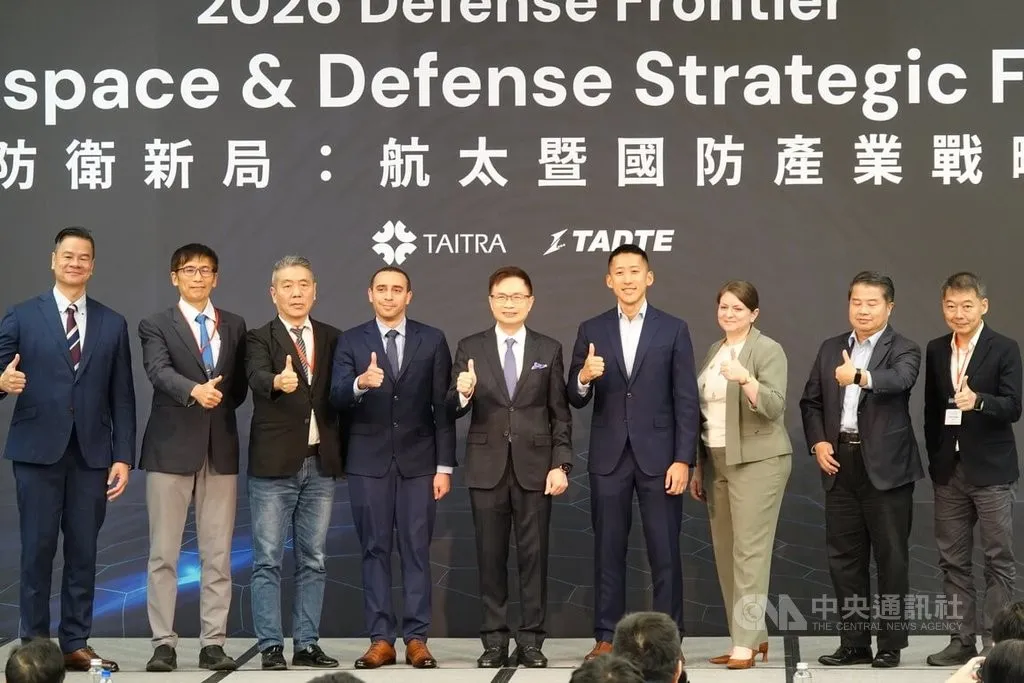
Saronic urges Taiwan to buy reusable autonomous sea drones as grey-zone patrols wear down crews
At a TAITRA defence forum in Taipei on 7 October, US firms argued autonomy would spare ships and sailors, as the trade body unveiled a guide to Taiwan's uncrewed-systems makers.
TaiwanDefence · 18h ago · 3 min read
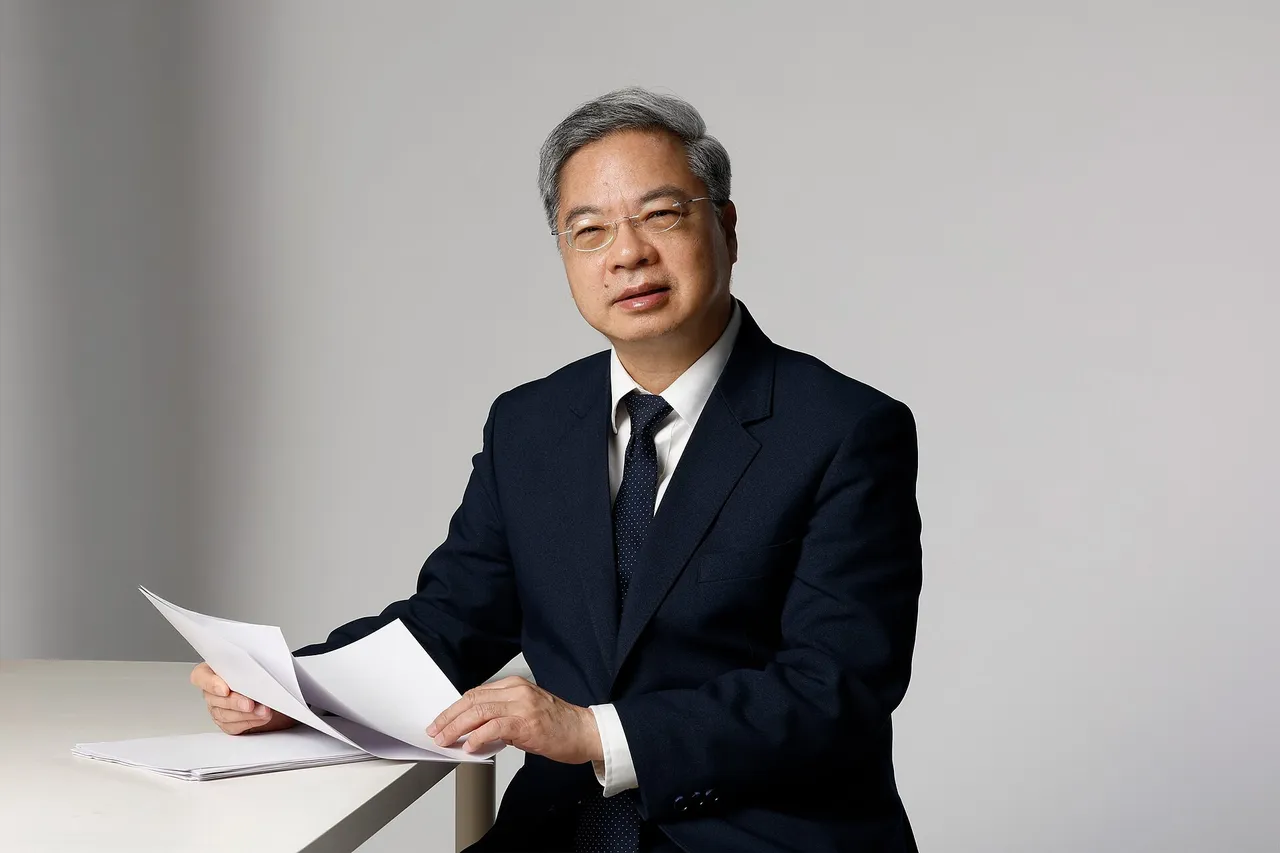
Taiwan's economy minister lifts 2030 drone output outlook past NT$50 billion
Kung Ming-hsin says drones could become Taiwan's next sacred mountain, citing defence needs, a supply chain free of Chinese parts and demand from democratic buyers.
TaiwanDefence · 2d ago · 3 min read
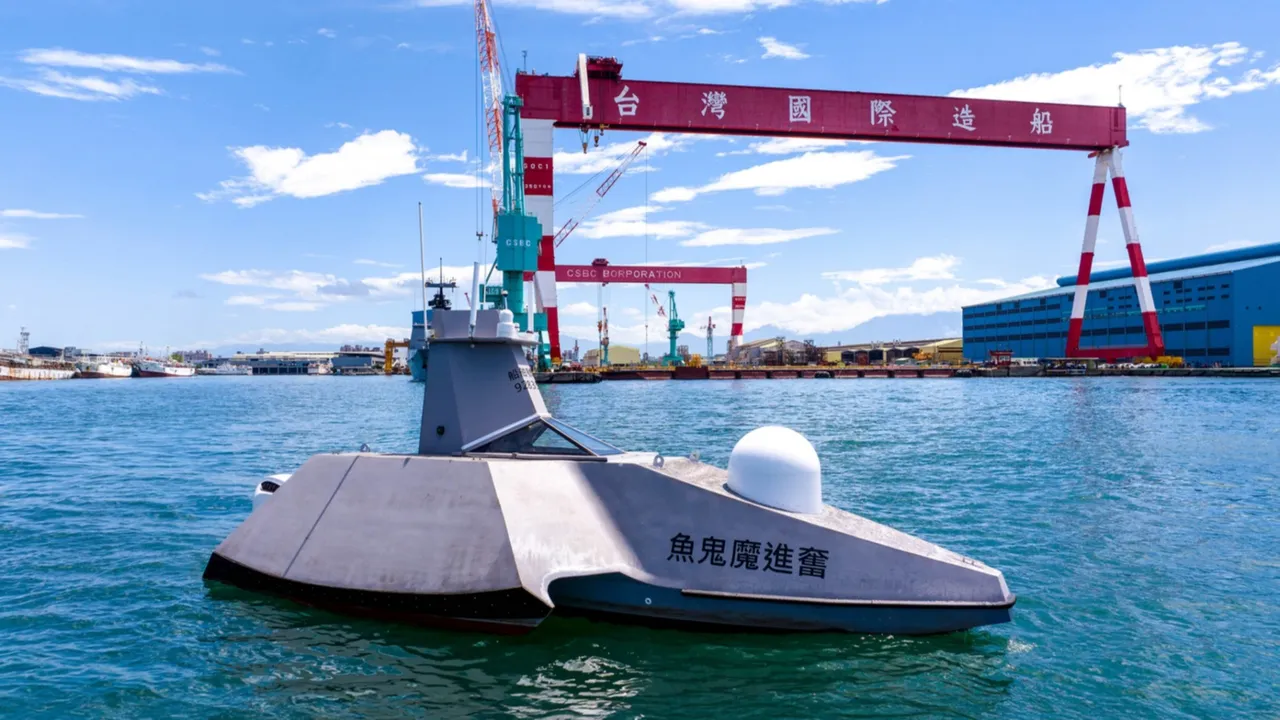
Taiwan pairs US autonomy tech with yards for sea-drone fleets
Nikkei and Taiwan News detail Saronic, Anduril, and Havoc tie-ups as Taipei plans 25 USVs plus larger attritable boat fleets to contest Chinese maritime gray-zone pressure.
TaiwanDefence · 5d ago · 2 min read
Discussion (0)
Comments are not currently available.